


THE CONCISE 48 LAWS OF POWER
"The Concise 48 Laws of Power" distills the influential insights from Robert Greene's original work into a succinct and accessible format, offering readers a condensed guide to understanding and mastering the dynamics of power. Each law presented in the book is accompanied by concise explanations, practical examples, and historical anecdotes, providing readers with a quick reference to the timeless principles outlined by Greene. This condensed version enables individuals to grasp the core concepts and strategic wisdom without delving into the extensive narratives of the original, making it a valuable resource for those seeking rapid insights into the nuances of power dynamics in various aspects of life.

Talent Code, The: Greatness isn’t born. It’s grown
In "The Talent Code," Daniel Coyle takes readers on an intriguing journey into the science of skill acquisition and talent development. Coyle explores the concept that greatness is not an inherent trait but a result of a specific set of practices and strategies that can be cultivated. Drawing on neuroscientific research and real-world examples, the book examines the role of myelin, a substance that wraps around nerve fibers and enhances signal transmission, in the process of skill development. Coyle introduces the concept of "deep practice," emphasizing the importance of targeted and intense efforts in honing specific skills. By dissecting the habits of high-achievers and examining the environments that foster talent, "The Talent Code" provides readers with actionable insights into unlocking their full potential and debunking the myth that greatness is solely the result of innate abilities.
Talent Code, The: Greatness isn’t born. It’s grown
In "The Talent Code," Daniel Coyle takes readers on an intriguing journey into the science of skill acquisition and talent development. Coyle explores the concept that greatness is not an inherent trait but a result of a specific set of practices and strategies that can be cultivated. Drawing on neuroscientific research and real-world examples, the book examines the role of myelin, a substance that wraps around nerve fibers and enhances signal transmission, in the process of skill development. Coyle introduces the concept of "deep practice," emphasizing the importance of targeted and intense efforts in honing specific skills. By dissecting the habits of high-achievers and examining the environments that foster talent, "The Talent Code" provides readers with actionable insights into unlocking their full potential and debunking the myth that greatness is solely the result of innate abilities.
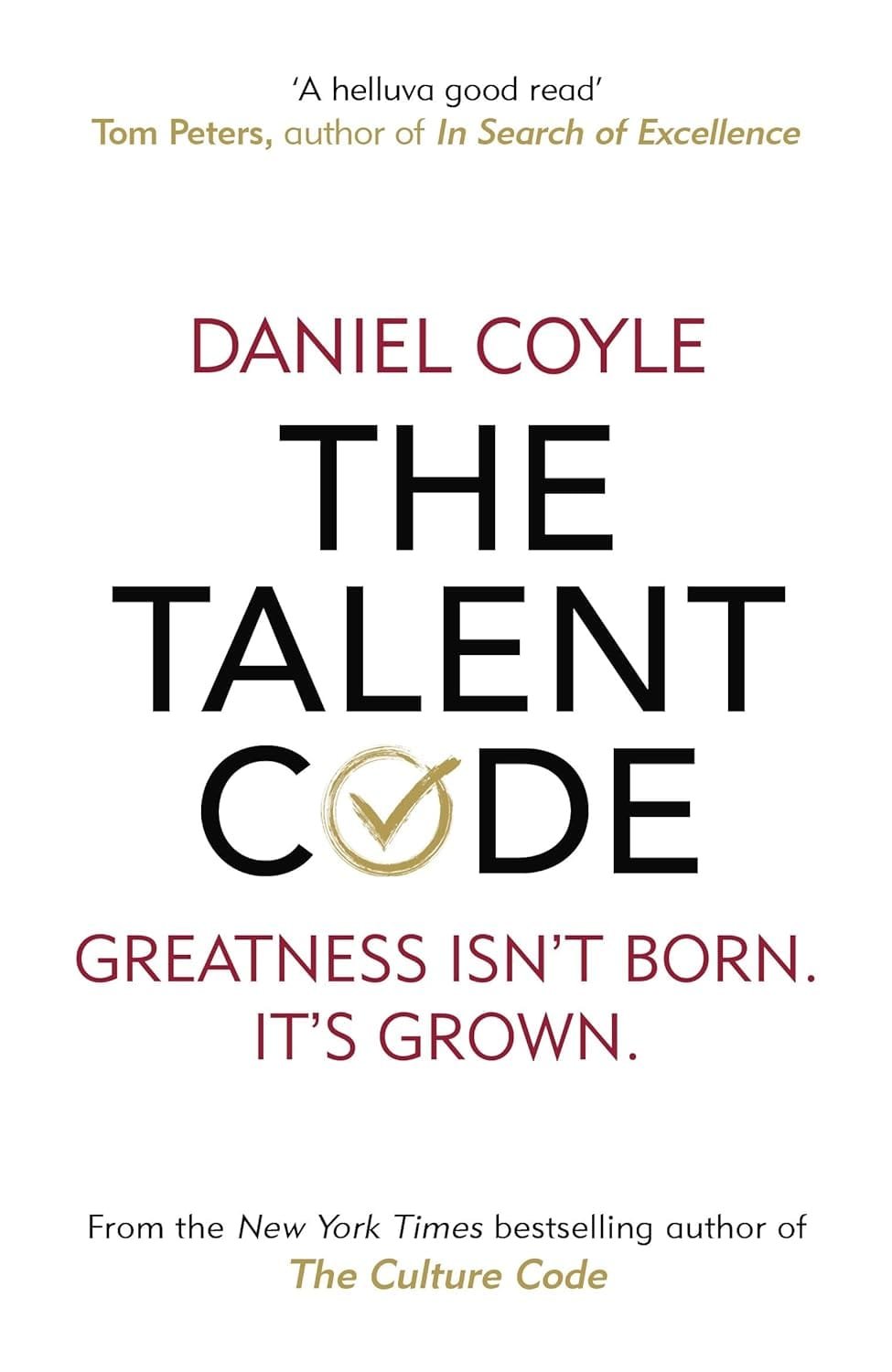
Talent Code, The: Greatness isn’t born. It’s grown
In Daniel Coyle's insightful book, "The Talent Code: Greatness isn't born. It's grown," he explores the concept of talent acquisition and mastery by dissecting the science behind skill development. Coyle takes readers on a journey across different cultures and disciplines, investigating the common thread that binds the world's most accomplished individuals. Drawing on neuroscience, psychology, and real-world examples, he challenges the prevailing notion that talent is an inherent trait and argues instead that it is a product of deliberate practice, deep learning, and the formation of specialized neural circuits. The book introduces the concept of "deep practice," emphasizing the importance of pushing one's abilities to the edge, making mistakes, and learning from them as crucial components in the journey towards excellence.

Agnes Grey
"Agnes Grey" is a novel penned by Anne Brontë, originally published in 1847. The story unfolds through the eyes of the eponymous protagonist, Agnes Grey, who serves as a governess in wealthy households during the Victorian era. The narrative provides a poignant portrayal of the challenges faced by governesses in a society that often disregarded their struggles and overlooked their contributions. Agnes encounters various trials as she navigates her roles in different households, dealing with unruly children, indifferent employers, and the social isolation that comes with her position. Brontë, with her keen observations and sharp social critique, not only sheds light on the plight of governesses but also explores themes of morality, class distinctions, and the limited options available to women in the 19th century.

The Pale Horse
"The Pale Horse" is a novel written by Agatha Christie, the renowned queen of mystery. Published in 1961, the story follows the character of Mark Easterbrook, who becomes embroiled in a series of mysterious deaths. The narrative kicks off when Easterbrook stumbles upon a list of names found in the shoe of a dead woman. As he investigates further, he discovers that the individuals on the list have all died under suspicious circumstances.

N Or M
"N or M?" is a compelling espionage thriller by Agatha Christie featuring her lesser-known sleuths, Tommy and Tuppence Beresford, embroiled in a World War II-era mystery. Set against the backdrop of wartime Britain, the novel revolves around Tommy and Tuppence being recruited by British Intelligence to infiltrate a seaside guesthouse and uncover a network of fifth columnists—spies working against their own country. The couple adopts aliases to blend in and, amidst a diverse array of guests, investigates suspicious activities, seeking to unmask the elusive traitors. Agatha Christie skillfully crafts a tale filled with suspense, intrigue, and unexpected plot twists, showcasing Tommy and Tuppence's resourcefulness and teamwork as they race against time to uncover the spies and prevent potential threats to national security. Through its evocative wartime setting and the Beresfords' daring escapades, "N or M?" captivates readers with its blend of espionage, mystery, and the resilience of the human spirit during a tumultuous period in history.

The Burden

The Valkyries
"The Valkyries" is a gripping and introspective novel by Brazilian author Paulo Coelho. Departing from his usual narrative style, Coelho presents a deeply personal account of his spiritual quest into the Mojave Desert in search of the Valkyries, legendary spiritual beings from Norse mythology. The story revolves around Coelho's journey alongside his wife, Christina, as they encounter a group of women on motorcycles who call themselves the Valkyries. Through this encounter and the challenges they face together, Coelho weaves a narrative that delves into themes of self-discovery, the pursuit of one's destiny, and the significance of overcoming inner fears and limitations. As the narrative unfolds, readers are invited on a transformative expedition, exploring the intricacies of belief, the power of love, and the importance of embracing one's own spiritual path.

How To Enjoy Your Life And Your Job
Dale Carnegie's "How to Enjoy Your Life and Your Job," originally published in 1936, remains a timeless guide to finding fulfillment and satisfaction in both personal and professional aspects of life. Drawing on his expertise in human relations and effective communication, Carnegie provides practical advice on cultivating a positive mindset, managing stress, and building meaningful relationships. The book's enduring appeal lies in its emphasis on the importance of a positive attitude, effective communication, and the ability to navigate challenges with grace. By incorporating real-life examples and actionable principles, Carnegie offers readers a roadmap to not only find joy in their work but also to foster a more positive and enriching life.
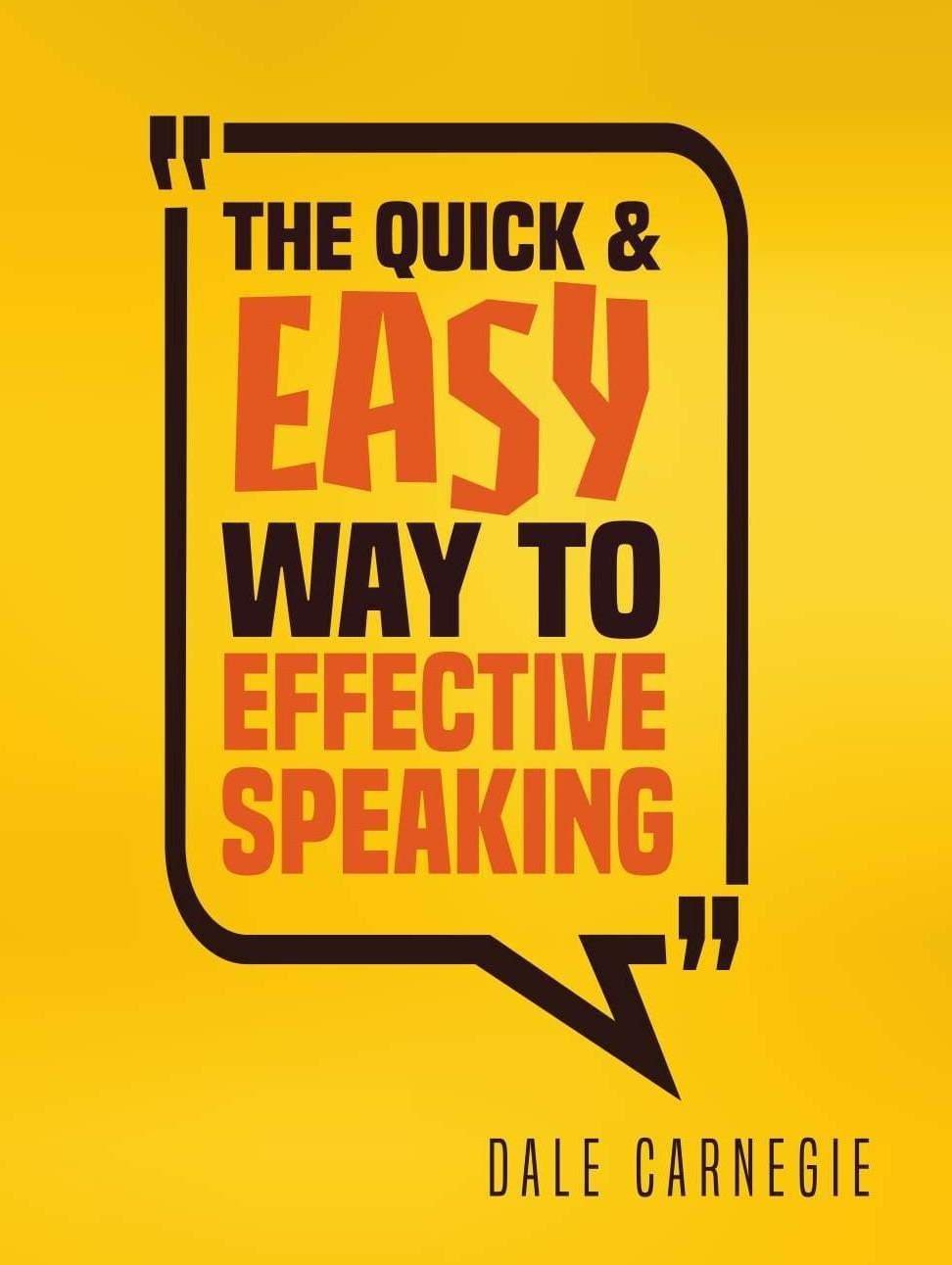
The Quick And Easy Way To Effective Speaking
"The Quick and Easy Way to Effective Speaking" by Dale Carnegie is a comprehensive guide that empowers individuals to enhance their communication skills and become more effective public speakers. Originally published in 1962, the book builds on Carnegie's expertise in human relations and communication, offering practical tips and techniques to overcome the fear of public speaking and engage audiences with confidence. With a focus on simplicity and clarity, Carnegie breaks down the art of effective communication into actionable steps, covering everything from speech organization to vocal variety. The book is not just a manual for public speaking but also a valuable resource for improving interpersonal communication, negotiation skills, and leadership abilities.