

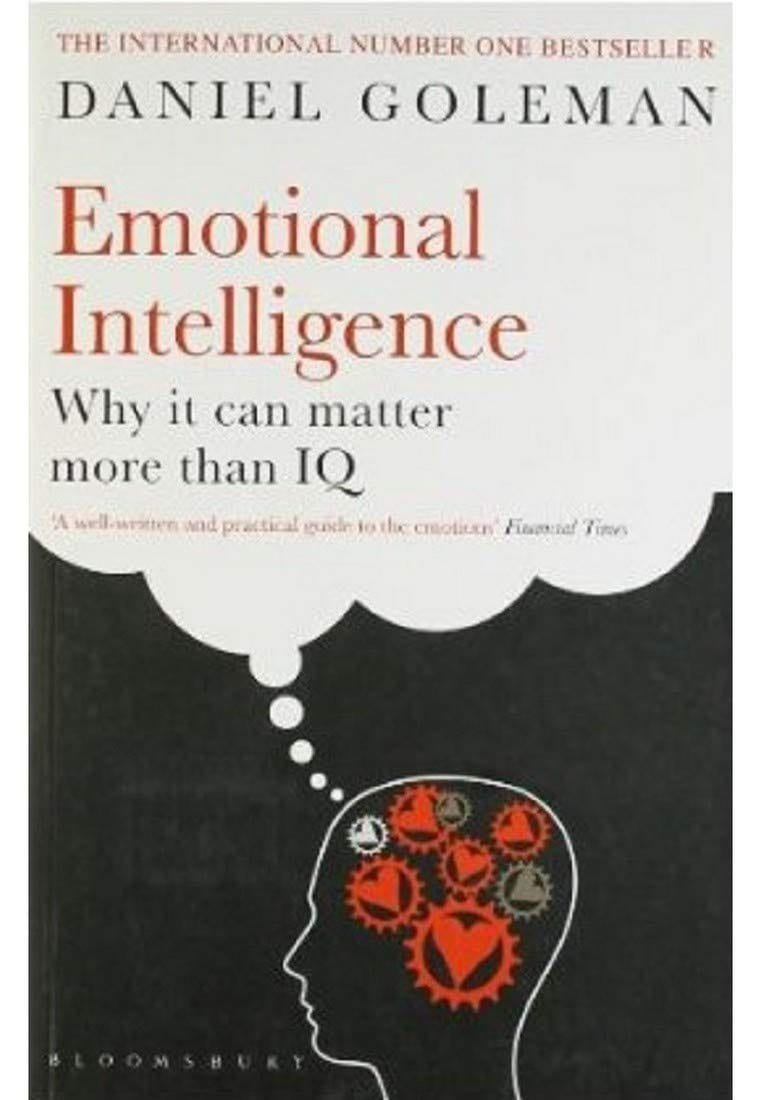
EMOTIONAL INTELLIGENCE, DANIEL GOLEMAN
In Daniel Goleman's influential book, "Emotional Intelligence," he puts forth a compelling argument that emotional intelligence (EI) is a critical factor for leading productive lives, surpassing even the significance of traditional measures like IQ. Goleman contends that individuals with well-developed emotional intelligence exhibit superior leadership skills, mental health, and job performance. According to his perspective, a high level of EI is twice as essential as the combination of skills and IQ required for job completion. Goleman suggests that schools play a crucial role in fostering emotional intelligence, proposing that the skill can be taught to students, paving the way for their future success as stable employees and leaders. Despite criticism claiming that emotional intelligence is more of a set of behavioral traits than a distinct form of intelligence, Goleman's theories have left an indelible mark, sparking discussions on the role of emotions in personal and professional success.

The Almanack Of Naval Ravikant: A Guide to Wealth and Happiness
In a world where the pursuit of wealth and happiness often appears elusive, Naval Ravikant emerges as a guiding light, asserting that getting rich and finding happiness are not mere strokes of luck or inherent traits but skills that can be acquired and refined. The Almanack of Naval Ravikant serves as a treasure trove of wisdom, drawn from his profound insights gathered over the past decade. Ravikant, an entrepreneur, philosopher, and investor, transcends conventional approaches in unraveling the principles that underpin true wealth and enduring happiness.

The Family
Mario Puzo's "The Family" takes readers on another riveting journey into the heart of organized crime, building on the author's expertise in the genre. While not as widely known as Puzo's monumental work, "The Godfather," this novel, published posthumously in 2001, offers a captivating exploration of the intricate dynamics within the Mafia. Centered around the Clericuzio family, Puzo delves into the complexities of power, tradition, and the inevitable clashes that arise within the close-knit world of organized crime.
The Godfather: The classic bestseller that inspired the legendary film
Mario Puzo's "The Godfather" is an iconic novel that transcends its crime fiction genre to become a cultural touchstone. Published in 1969, the book takes readers into the intricate and powerful world of the Italian-American Mafia, primarily focusing on the Corleone family. At its core, "The Godfather" is a tale of power, family, loyalty, and the consequences of choices made in pursuit of the American Dream. Puzo weaves a narrative that skillfully navigates the complexities of organized crime, human nature, and the moral dilemmas faced by those who inhabit this shadowy realm.
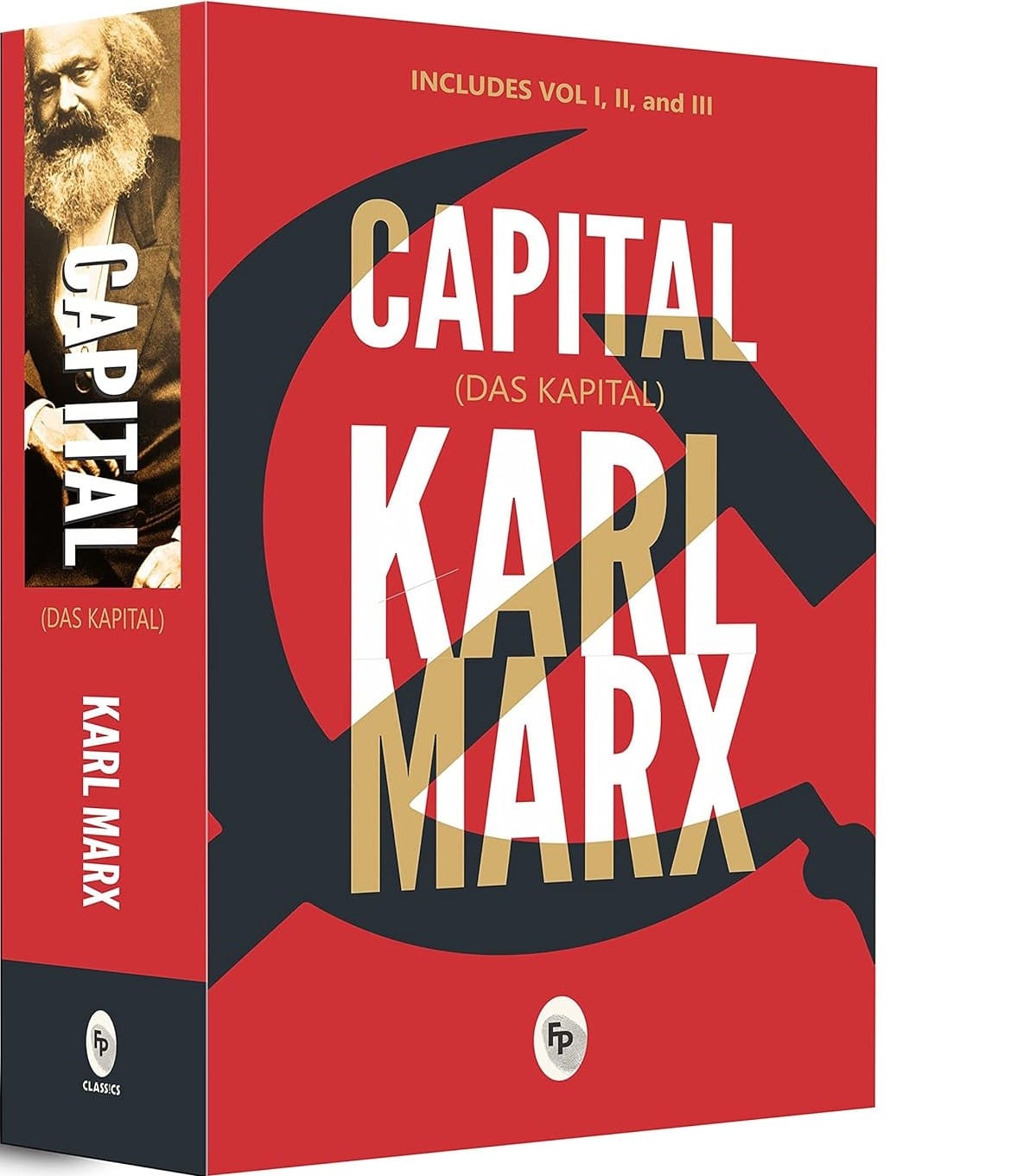
Capital (Das Capital): Includes Vol.1,2,3
"Capital" (Das Kapital) by Karl Marx is a monumental work that laid the foundation for Marxist economic and political theory. This comprehensive edition, including all three volumes, presents Marx's exhaustive analysis of capitalism, its inherent contradictions, and the dynamics of class struggle. Originally published in the 19th century, this magnum opus remains a seminal text that has significantly influenced social and political thought. In Volume 1, Marx delves into the commodity fetishism, surplus value, and the labor theory of value, offering a critique of the capitalist mode of production. Volumes 2 and 3 further extend his analysis, exploring the intricacies of the capitalist system, the role of credit, and the inevitable conflicts arising from capitalist relations.

Misbehaving
In "Misbehaving: The Making of Behavioral Economics," renowned economist Richard H. Thaler provides a captivating exploration of the evolution of economic thought and the emergence of behavioral economics as a groundbreaking discipline. Thaler challenges the traditional assumptions of classical economics that portray individuals as rational actors consistently making optimal decisions. Instead, he introduces the concept of "bounded rationality" and argues that human decision-making is inherently flawed, influenced by cognitive biases and social factors. Thaler's narrative weaves together historical anecdotes, experiments, and personal experiences, offering a compelling account of the development of behavioral economics.
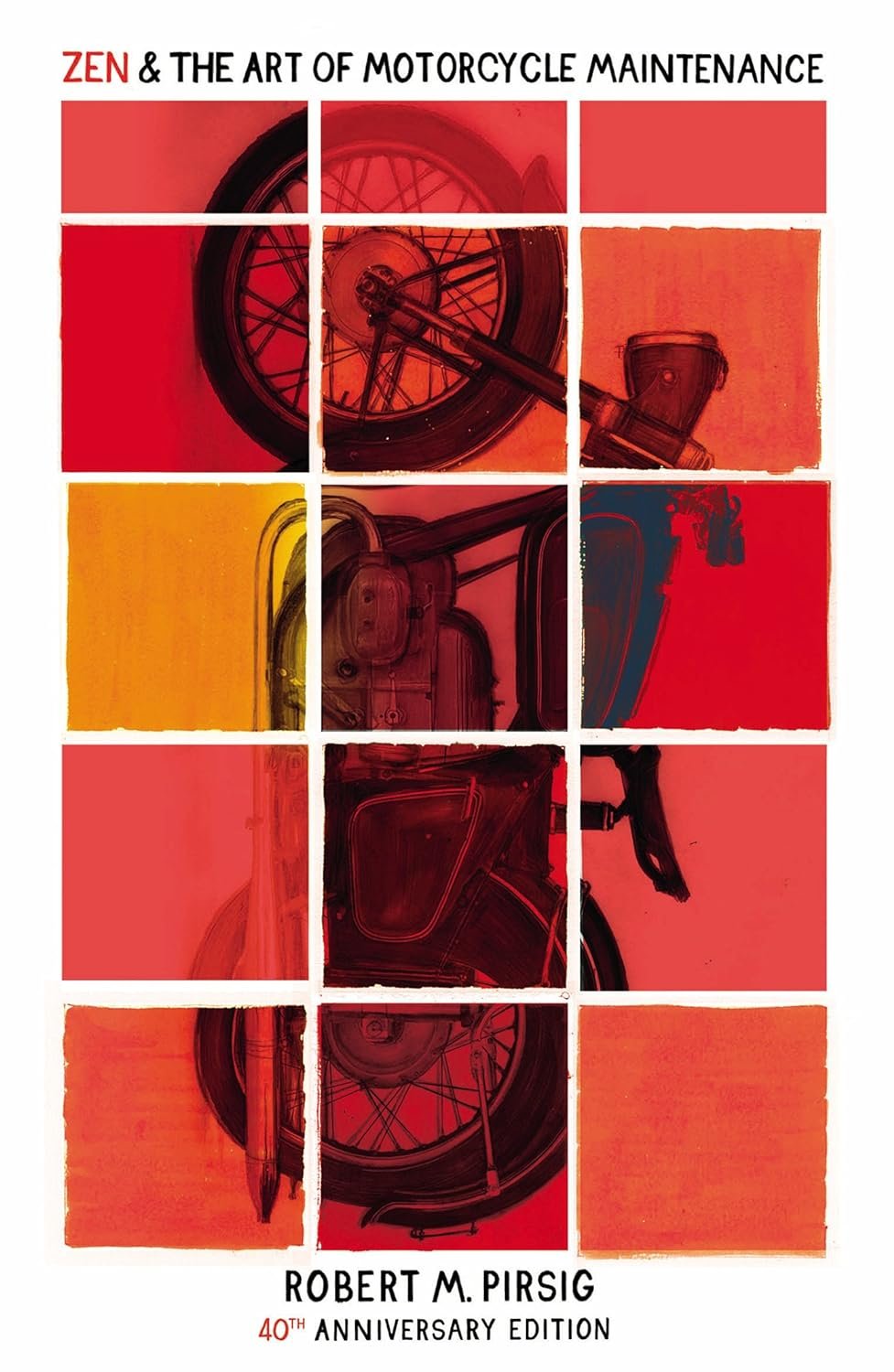
Zen And The Art Of Motorcycle Maintenance (40th Anniversary Edition)
"Zen and the Art of Motorcycle Maintenance" by Robert M. Pirsig is a philosophical exploration that combines a motorcycle journey with reflections on the nature of quality, technology, and the pursuit of a meaningful life. Originally published in 1974, the 40th-anniversary edition continues to captivate readers with its unique blend of narrative and philosophical inquiry. Pirsig takes the reader on a motorcycle trip with his son, Chris, as they traverse the landscapes of the American West. Interspersed with this travelogue are philosophical discussions that delve into the author's musings on the concept of "Quality" and his exploration of the intersection between the classical and romantic perspectives.
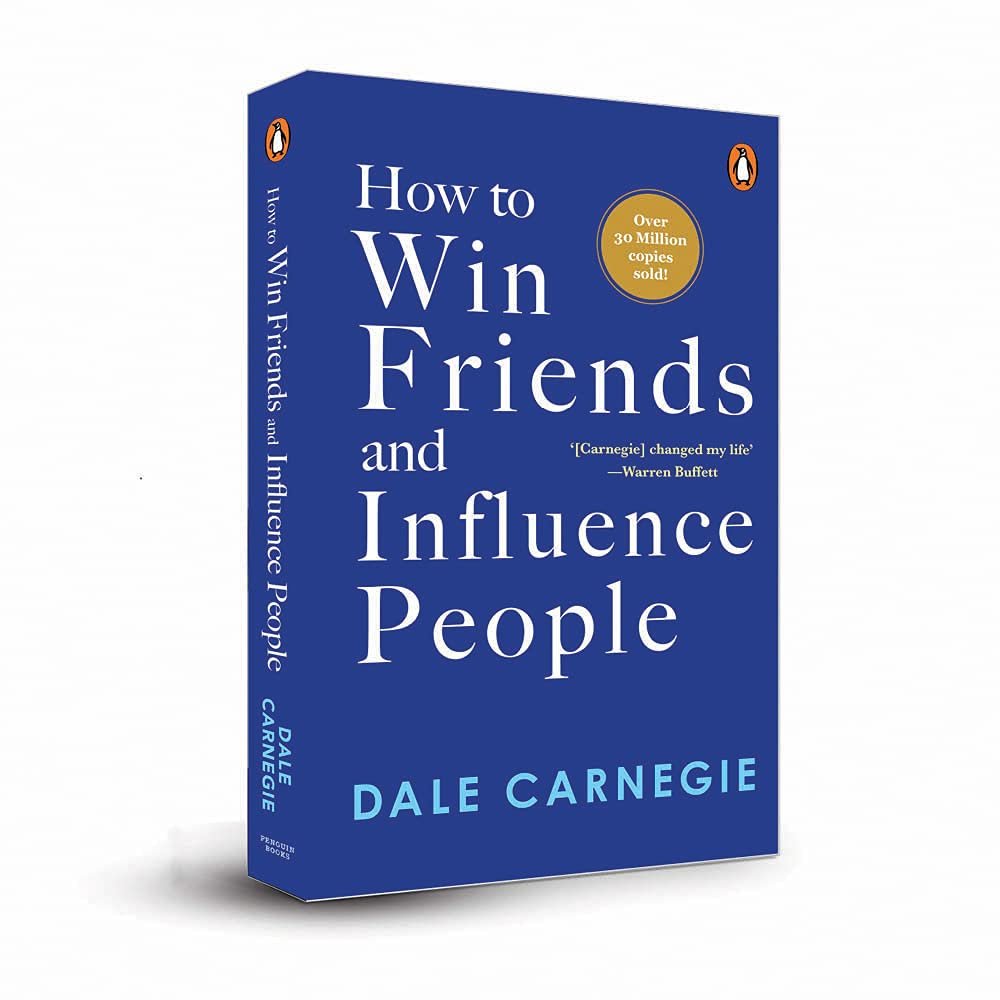
How to Win Friends and Influence People
"How to Win Friends and Influence People" by Dale Carnegie stands as a cornerstone in the realm of self-improvement and interpersonal skills. First published in 1936, this enduring classic continues to resonate with readers worldwide due to its timeless principles on human relations and effective communication. Carnegie's book is a treasure trove of practical wisdom, offering actionable advice on how to navigate social interactions, build meaningful relationships, and become more influential in both personal and professional spheres. Through relatable anecdotes and straightforward guidance, Carnegie emphasizes the importance of empathy, listening, and understanding others' perspectives, providing readers with tools to enhance their communication skills and foster stronger connections.