


Siddhartha
"Siddhartha" by Hermann Hesse is a philosophical novel that delves into the spiritual journey of its titular character, Siddhartha, as he seeks enlightenment and a deeper understanding of the meaning of life. Originally published in 1922, the novel draws inspiration from Buddhist and Hindu philosophies, exploring themes of self-discovery, the nature of existence, and the pursuit of inner peace. Siddhartha's quest takes him through various life experiences, from the asceticism of the Samanas to the materialism of a merchant's life and the tranquility found by the river. Hesse's lyrical prose and contemplative narrative style contribute to the novel's timeless appeal, making it a work that continues to resonate with readers seeking spiritual insight and personal transformation.

Peter Pan
"Peter Pan" by J.M. Barrie is a timeless and enchanting tale that has captured the imaginations of readers since its first appearance as a play in 1904 and later as a novel in 1911. The story follows the adventures of Peter Pan, a mischievous and eternal boy who refuses to grow up, and his magical companions, including Tinker Bell and the Lost Boys. The narrative takes flight when Peter Pan whisks away Wendy, John, and Michael Darling to the fantastical world of Neverland, a place where dreams come true and where they encounter the villainous Captain Hook and his crew. Barrie's work delves into themes of eternal youth, the power of imagination, and the bittersweet longing for a carefree existence, resonating with both children and adults.

A Streetcar Named Desire
"A Streetcar Named Desire" by Tennessee Williams is a powerful and iconic play that premiered in 1947 and has since become a cornerstone of American theater. The story revolves around the complex character of Blanche DuBois, a fading Southern belle with a troubled past, who seeks refuge with her sister Stella and brother-in-law Stanley in New Orleans. As the narrative unfolds, the play delves into themes of desire, mental instability, and the clash of social classes. Blanche's tragic descent into madness and Stanley's aggressive assertiveness create a gripping tension that explores the fragility of the human psyche and the harsh realities of post-war America. Williams's poetic language and rich characterizations contribute to the play's enduring significance in literature and drama.

Journey To The Centre Of The Earth
"Journey to the Center of the Earth" is a classic science fiction novel penned by the renowned French author Jules Verne. First published in 1864, the story follows the adventurous Professor Otto Lidenbrock, his nephew Axel, and their guide Hans Belker as they embark on an extraordinary expedition deep into the Earth's interior. Triggered by the discovery of an ancient Icelandic manuscript, the trio descends through an Icelandic volcano, encountering a mesmerizing subterranean world filled with prehistoric creatures, vast caverns, and geological wonders. Verne's vivid imagination and attention to scientific detail create a gripping narrative that combines thrilling exploration with elements of speculative fiction, capturing the reader's imagination with every step the characters take on their daring journey.

The Wind In The Willows
"The Wind in the Willows" by Kenneth Grahame is a timeless classic that enchants readers of all ages with its whimsical charm and endearing characters. Published in 1908, the novel takes readers on a captivating journey through the English countryside, where anthropomorphic animals embark on various adventures along the riverbank. At the heart of the story are Mole, Ratty, Badger, and the irrepressible Toad, each representing different facets of human nature. Grahame's exquisite prose and keen observations of the natural world create a rich tapestry that transcends its initial classification as a children's book. The novel explores themes of friendship, camaraderie, and the allure of the pastoral life, offering a nostalgic and heartwarming escape into a world where animals exhibit human-like qualities.

The Wizard Of Oz
"The Wizard of Oz" is a timeless classic that has captivated audiences since its publication in 1900. Authored by L. Frank Baum, this iconic children's novel follows the adventures of Dorothy Gale, a young girl swept away from her mundane life in Kansas to the fantastical and magical land of Oz. Accompanied by memorable characters like the Scarecrow, the Tin Woodman, and the Cowardly Lion, Dorothy embarks on a quest to meet the mysterious Wizard of Oz and find her way back home. The narrative weaves a tapestry of imagination, friendship, and self-discovery, with each character representing different facets of the human experience.

Great Truths That Set Us Free
In "Great Truths That Set Us Free" by Dr. Joseph Murphy, the author invites readers to recognize the immense creative power within their minds. Murphy emphasizes the role of thoughts and imagination in shaping one's reality, drawing parallels between the mind and a canvas waiting to be painted with the colors of one's aspirations. By instilling faith in the envisioned reality, Murphy asserts that individuals can bring their desired outcomes to life. This empowering perspective aligns with the idea that we are not mere spectators in our lives but active creators, capable of manifesting positive change through our thoughts and beliefs.

Fight Club
Chuck Palahniuk's "Fight Club" is a provocative and visceral exploration of modern alienation and the search for identity in a consumer-driven society. The novel follows an unnamed narrator who, disillusioned with his mundane existence, forms an alter ego named Tyler Durden. Together, they establish an underground fight club as a form of male bonding and a rebellion against societal expectations. The narrative takes unexpected twists, blurring the lines between reality and the narrator's fractured psyche, creating a dark and satirical commentary on the dehumanizing effects of consumer culture and the quest for authenticity.
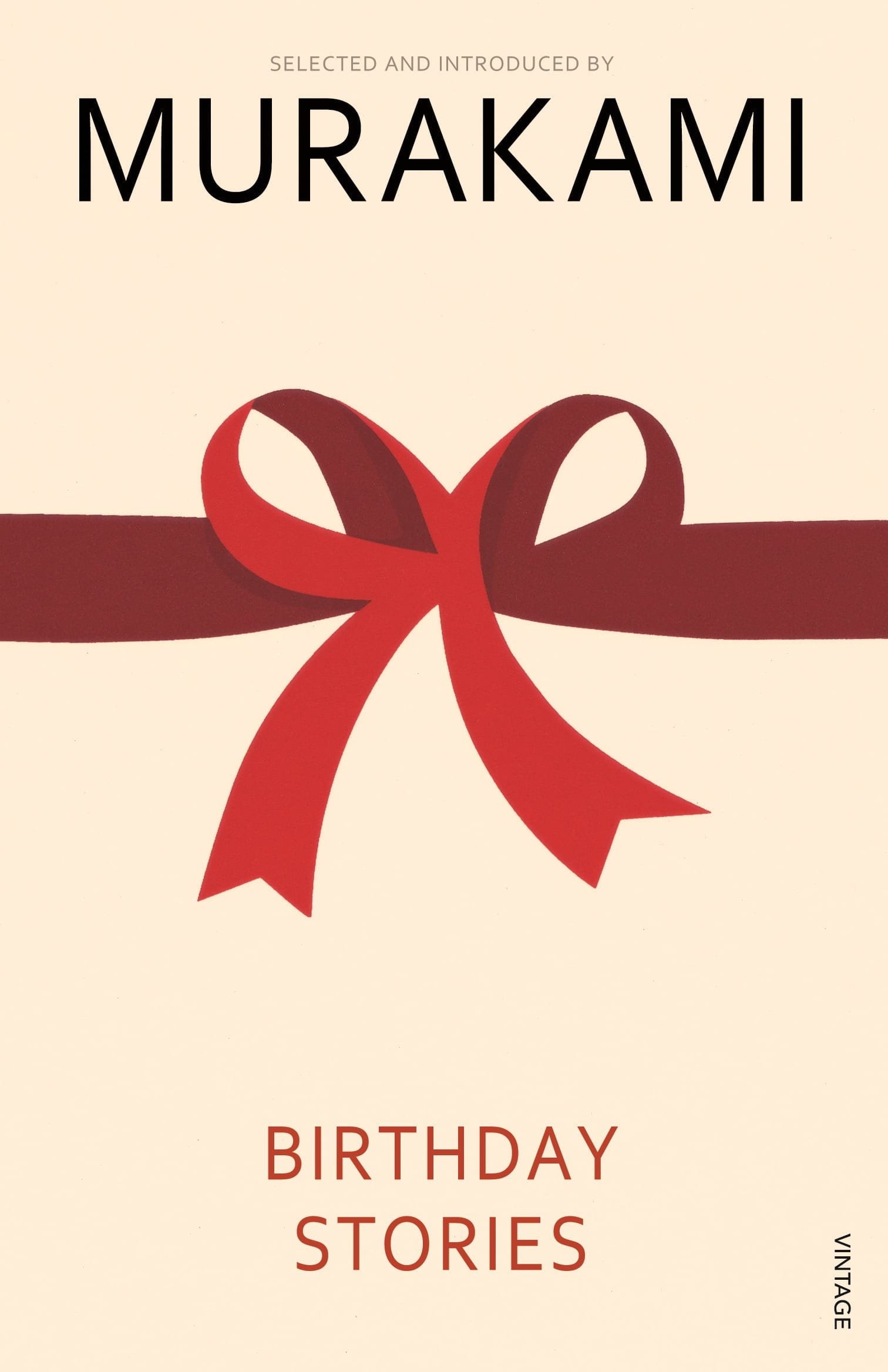
Birthday Stories: Selected And Introduced By Haruki Murakami
"Birthday Stories: Selected and Introduced by Haruki Murakami" is a captivating anthology that brings together a diverse collection of short stories by acclaimed authors, each centered around the theme of birthdays. Curated and introduced by Murakami, this anthology features works by various writers from different cultures and backgrounds. Through these stories, readers are presented with a multifaceted exploration of birthdays, showcasing their significance in shaping human experiences, relationships, and emotions. Murakami's introduction provides valuable insights into the universal and personal significance of birthdays, setting the stage for an engaging journey through these tales that range from the whimsical and nostalgic to the poignant and introspective. The anthology's compilation of stories reflects the richness of human emotions tied to this milestone, offering readers an array of perspectives and narratives that resonate with the complexity of celebrating life's passages.

Five Go Off To Camp: 7 (The Famous Five Series)
"Five Go Off To Camp," the seventh installment in Enid Blyton's iconic Famous Five series, takes readers on yet another thrilling summer adventure with Julian, Dick, Anne, George (Georgina), and their loyal canine companion, Timmy. Set against the backdrop of a camping trip, the novel unfolds with the promise of idyllic outdoor escapades and camaraderie. However, the atmosphere becomes charged with suspense as the Five stumble upon a mysterious circus in the vicinity, and their curiosity leads them to uncover a plot involving espionage and stolen secrets. The narrative expertly combines the joys of a summer holiday with the suspenseful elements that have become synonymous with the Famous Five series.
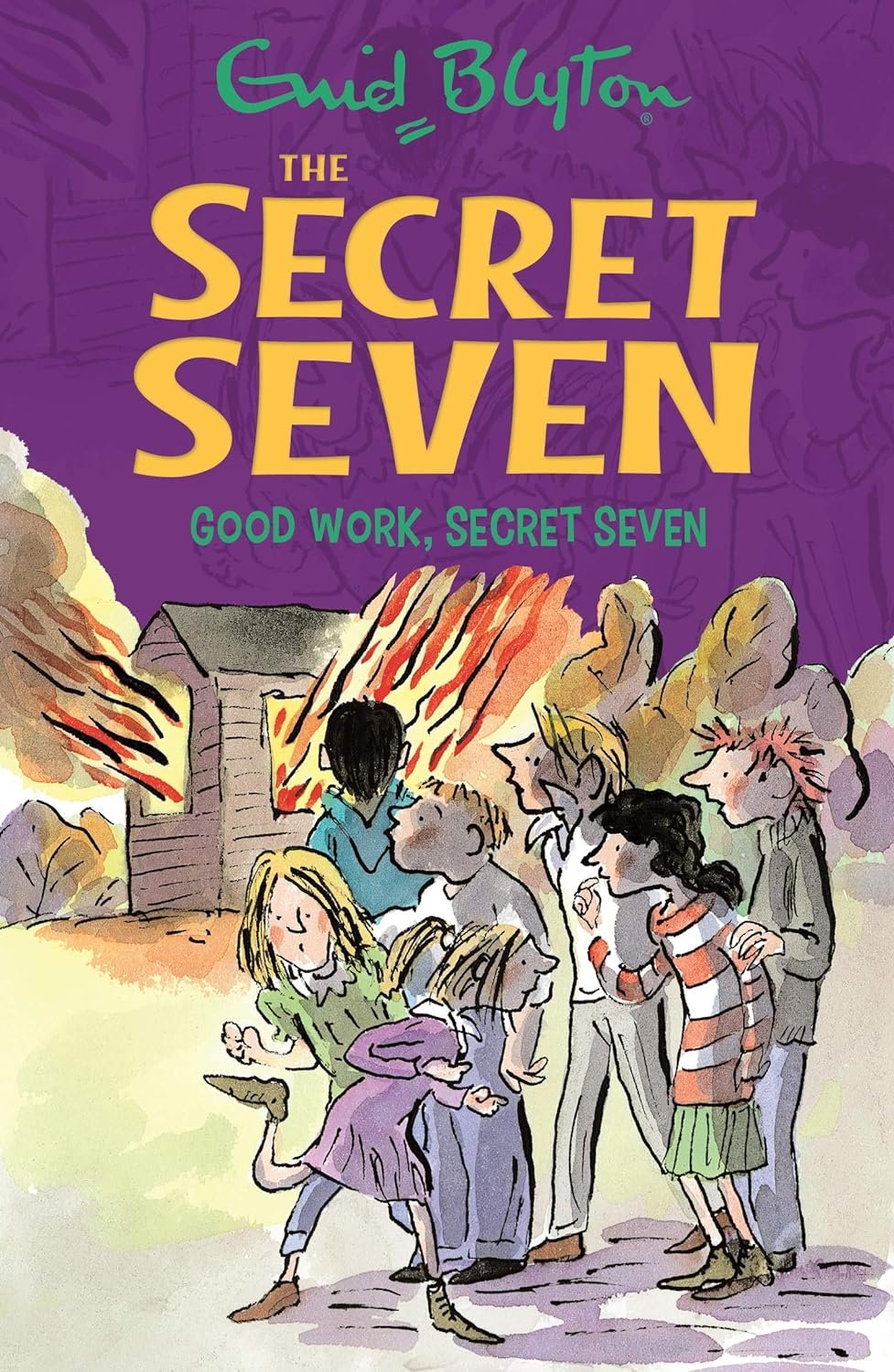
Good Work Secret Seven: 6 (The Secret Seven Series)
"Good Work, Secret Seven," the sixth installment in Enid Blyton's beloved Secret Seven series, takes readers on another thrilling adventure with Peter, Janet, Jack, Barbara, George, Pam, Colin, and Scamper. In this captivating tale, the Secret Seven stumbles upon a sinister plot while investigating a seemingly ordinary bicycle theft. Blyton skillfully weaves a narrative that combines the excitement of mystery-solving with the enduring themes of friendship, loyalty, and resourcefulness.

Diary Of A Wimpy Kid: The Last Straw (Book 3)
"Diary of a Wimpy Kid: The Last Straw" is the third installment in Jeff Kinney's immensely popular series that chronicles the humorous escapades of Greg Heffley, a middle schooler navigating the challenges of adolescence. In this installment, Greg faces a myriad of new challenges, from the ever-present dynamics of family life to the hurdles of school and peer relationships. The book humorously captures the awkwardness and relatable experiences of growing up, making it a favorite among readers, particularly those in the middle-grade age group.
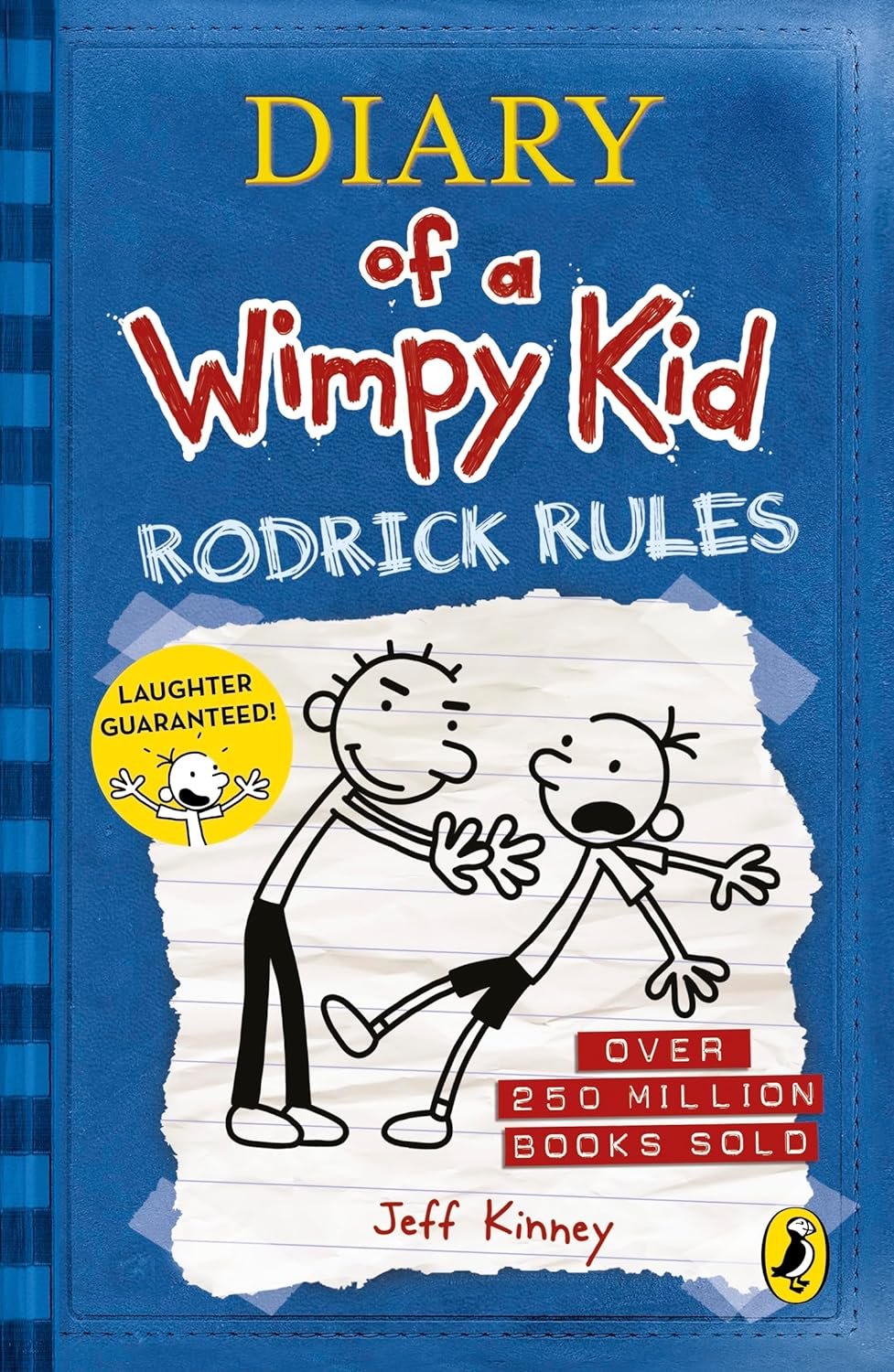
Diary Of A Wimpy Kid: Rodrick Rules (Book 2)
"Diary of a Wimpy Kid: Rodrick Rules," the second installment in Jeff Kinney's popular children's book series, continues to chronicle the humorous misadventures of the protagonist, Greg Heffley. The story picks up where the first book left off, as Greg navigates the challenges of middle school with his unique blend of awkwardness and wit. One of the central themes in this installment is Greg's relationship with his older brother, Rodrick. The dynamic between the two brothers adds a layer of sibling humor, with Rodrick often teasing and embarrassing Greg. The book cleverly captures the essence of adolescence, addressing the awkwardness of growing up, navigating friendships, and the constant struggle to fit in. Kinney's signature blend of text and illustrations provides a visually engaging experience for readers, making it accessible and enjoyable for children and pre-teens alike.

Diary Of A Wimpy Kid (Book 1)
"Diary of a Wimpy Kid," the first book in the series by Jeff Kinney, is a hilarious and relatable tale that follows the misadventures of middle-schooler Greg Heffley. Written in the form of a diary, Greg documents his everyday struggles with school, family, and friends, providing readers with a witty and honest glimpse into the challenges of adolescence. The book is filled with charming illustrations that complement the narrative, making it engaging for readers of all ages. Kinney's unique storytelling style and Greg's candid observations create a narrative that resonates with readers, capturing the essence of the awkward and often amusing journey through the ups and downs of early adolescence.