Books
Books by Language
Filter by price
Books by language
----------------------------
Filter by price
Curricula Books
- ● AS/A Level - Cambridge
- ● AS/A Level - Edexcel
- ● Grade 1
- ● Grade 2
- ● Grade 3
- ● Grade 4
- ● Grade 5
- ● Grade 6
- ● Grade 7
- ● Grade 8
- ● KG 2
- ● Play, Nursery & KG 1
- ● O Level - Cambridge
- ● O Level - Edexcel
- ● প্রাক-প্রাথমিক
- ● প্রথম শ্রেণি
- ● দ্বিতীয় শ্রেণি
- ● তৃতীয় শ্রেণি
- ● চতুর্থ শ্রেণি
- ● পঞ্চম শ্রেণি
- ● ষষ্ঠ শ্রেণি
- ● সপ্তম শ্রেণি
- ● অষ্টম শ্রেণি
- ● নবম-দশম
- ● একাদশ-দ্বাদশ
Exam Books
Faculty & Department Books
- ● Accounting
- ● Anthropology
- ● Apparel Mnf & Tech.
- ● BBA
- ● Bengali
- ● Botany
- ● Chemistry
- ● Computer Science
- ● Economics
- ● Electronics & Communication
- ● Engineering and Technology
- ● English
- ● Fashion Design & Tech.
- ● Finance & Banking
- ● Geography & Environment
- ● History
- ● Home Economics
- ● Hospitality Management
- ● Information Sc. & Library Mgt.
- ● Islamic History & Culture
- ● Islamic Studies
- ● Knitwear Mnf. & Tech.
- ● Law
- ● Management
- ● Marketing
- ● Mathematics
- ● Physics
- ● Political science
- ● Psychology
- ● Philosophy
- ● Public Administration
- ● Social Work
- ● Sociology
- ● Statistics
- ● Zoology
General Categories
Ages
সভ্যতার ইতিহাস (নির্বচিত বিষয়সমূহ) (বিষয় কোড : ৪১১৫০৯) – ইতিহাস বিভাগ – মাস্টার্স প্রিলিমিনারি
Uniqe O Level Mathmatics B (With Answer)
The book "Unique O Level Mathematics B (With Answers)" seems to be a resource designed to help students prepare for the O Level Mathematics examination, particularly focusing on the "B" syllabus. This book would likely contain a collection of mathematics problems that align with the exam format, offering various types of questions and their corresponding solutions to enhance student understanding.
Here’s what such a book typically offers:
1. Wide Range of Topics:
- Algebra: Including linear equations, quadratics, and inequalities.
- Geometry: Concepts such as areas, volumes, angles, and theorems related to triangles, circles, and polygons.
- Trigonometry: Basic trigonometric ratios, identities, and solving problems involving angles and right-angled triangles.
- Probability and Statistics: Questions on data interpretation, mean, median, mode, and probability calculations.
- Calculus: Depending on the syllabus, there may also be some basic differentiation and integration.
2. Step-by-Step Solutions:
The book is likely to provide clear, step-by-step solutions for each question, helping students understand the methods behind solving each problem. This feature is beneficial for those who might struggle with certain concepts or need extra practice to master the techniques.
3. Practice Problems:
It probably includes numerous practice questions that cover all aspects of the syllabus, ensuring students can test their knowledge and improve their skills. Some of these questions might range from basic to more advanced, giving students a well-rounded preparation.
4. Focus on Exam Preparation:
The book is likely geared toward providing exam-style questions, allowing students to get familiar with the format and structure of the O Level Mathematics exam. By practicing with these questions, students can improve their time management and problem-solving abilities under exam conditions.
5. Clear Explanations:
Answer keys with explanations would help students understand how to approach and solve the problems. This would not only provide the correct answer but also explain the process in a way that helps students learn and retain the material.
6. Targeted Learning:
With a focus on O Level Mathematics B, the book targets the specific needs of students taking this exam. It would be especially useful for those who need extra practice or who want to focus on problem areas before the exam.
Final Thoughts:
"Unique O Level Mathematics B (With Answers)" would be an excellent companion for O Level students, providing a structured approach to mastering the topics and performing well in their exams. It helps students develop both the conceptual understanding and the practical problem-solving skills needed to succeed.
If you are preparing for your O Level Mathematics B exam, using such a resource could be an effective way to enhance your study routine and boost your confidence.
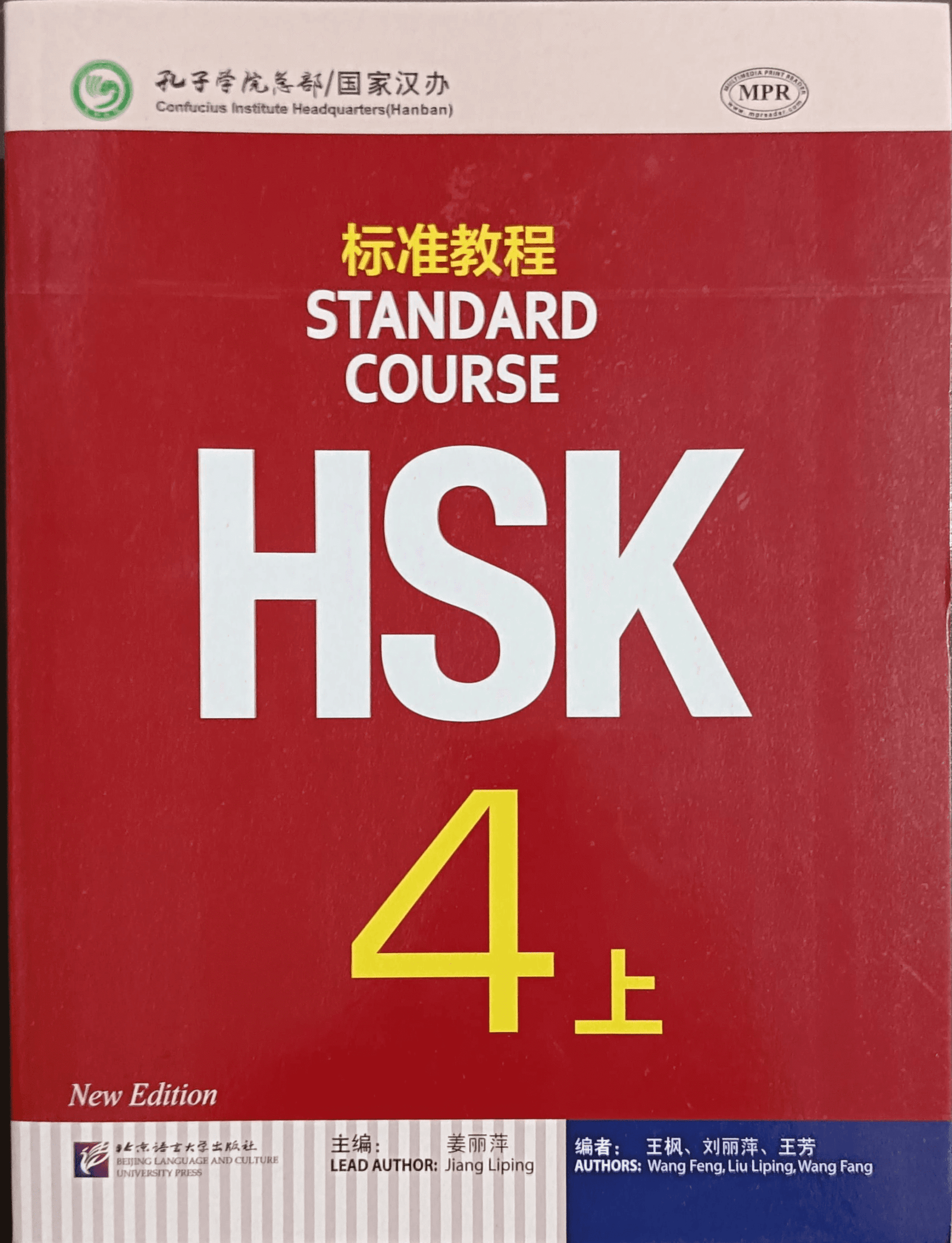
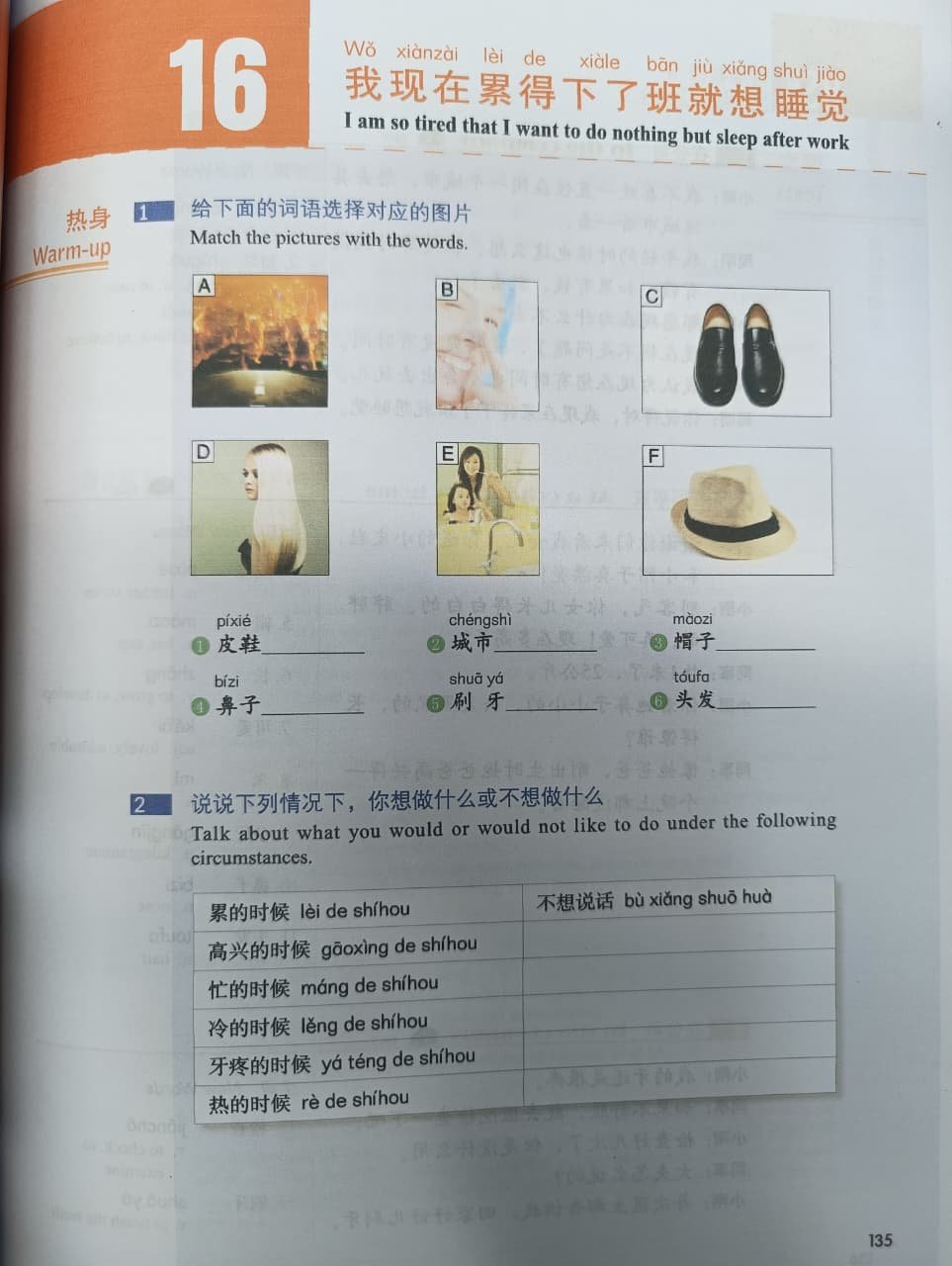
Standerd Course HSK 1-4 : Chinese books bundle (Black and white print)
সাহিত্যতত্ত্ব, রুপতত্ত্ব, ছন্দ ও অলংকার (বিষয় কোড : ৪১১০১১) – বাংলা বিভাগ – মাস্টার্স প্রিলিমিনারি
খাদ্য অধিদপ্তর প্রশ্নব্যাংক
আর্থিক প্রতিষ্ঠান সমূহের সুশাসন – M.C. Paul & Sons
পুলিশ কনস্টেবল নিয়োগ সহায়িকা – দিকদর্শন প্রকাশনি লিঃ
ভূমি মন্ত্রণালয় ভূমি রেকর্ড ও জরিপ অধিদপ্তর নিযোগ সহায়িকা
অফিসার (ক্যাশ) পদে – নিয়োগ সহায়িকা – MCQ – WRITTEN – VIVA – দিকদর্শন প্রকাশনী লিঃ
বাংলাদেশ ক্ষুদ্র ও কুটির শিল্প কর্পোরেশন (বিসিক) বিএসটিআই – বাংলাদেশ তাঁত বোর্ড নিয়োগ সহায়িকা – MCQ লিখিত VIVA – দিকদর্শন প্রকাশনী লিঃ
প্রাথমিক শিক্ষক নিয়োগ ভাইভা সহায়িকা – দিকদর্শন প্রকাশনী লিঃ
সিটি কর্পোরেশন নিয়োগ সহায়িকা – MCQ – লিখিত – ভাইভা – দিকদর্শন প্রকাশনী লিঃ
প্রাথমিক ও গণশিক্ষা মন্ত্রণালয় উপানুষ্ঠানিক শিক্ষা ব্যুরো – নিয়োগ সহায়িকা – দিকদর্শন প্রকাশনী লিঃ
প্রাণিসম্পদ অধিদপ্তর – নিয়োগ সহায়িকা – MCQ – WRITTEN- VIVA – দিকদর্শন প্রকাশনী লিঃ
আধুনিক সাহিত্য (বিষয় কোড : ৪১১০০৯) – বাংলা বিভাগ – মাস্টার্স প্রিলিমিনারি
প্রাচীন ও মধ্যযুগের সাহিত্য (বিষয় কোড : ৪১১০০৫) – বাংলা বিভাগ – মাস্টার্স প্রিলিমিনারি
সুফিবাদ ও কয়েকজন প্রসিদ্ধ সুফি এবং তাদের অবদান (বিষয় কোড : ৪১১৮০৭) – ইসলামিক স্টাডিজ – মাস্টার্স প্রিলিমিনারি
ফিকহ শিক্ষা, উসূলে ফিকহ এবং তারীখুল ফিকহ (বিষয় কোড : ৪১১৮০৫) – ইসলামিক স্টডিজ – মাস্টার্স প্রিলিমিনারি
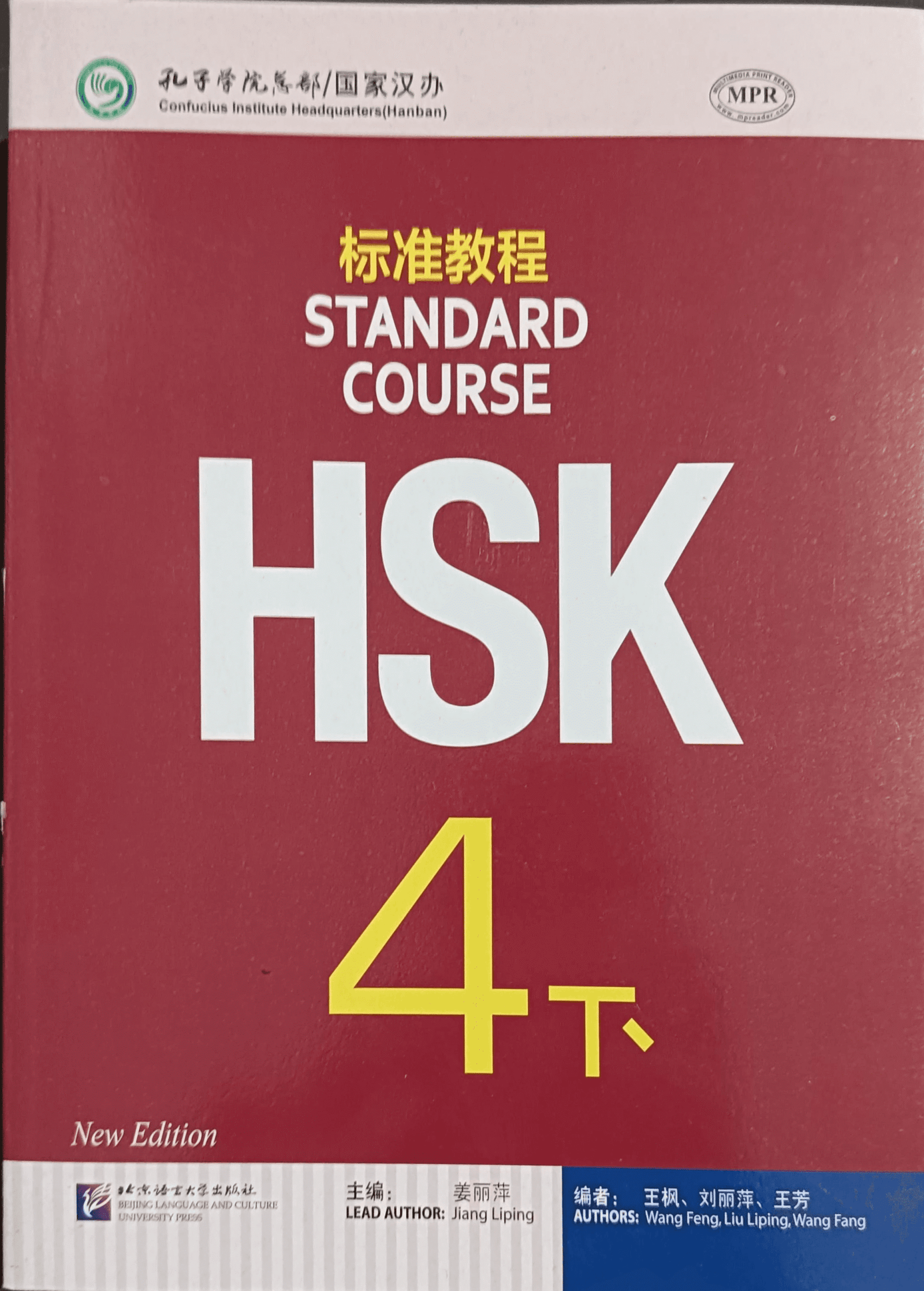
Standard Course HSK 4 (Chinese Language Book) Colour print
The **HSK 4** is the fourth level of the HSK (Hanyu Shuiping Kaoshi) exam and is intended for learners who have already acquired a strong foundation in Chinese. At this level, students are expected to have a vocabulary of **1,200 words** and be able to engage in conversations on a variety of topics in both spoken and written forms.
A **Standard Course HSK 4** book is designed to help learners prepare for this exam by focusing on advanced vocabulary, grammar structures, listening comprehension, reading, and writing skills. The content usually includes more in-depth lessons and exercises to help students pass the HSK 4 exam and continue building their Chinese proficiency.
আত্ তাফসীর ও আল কালাম শিক্ষা (বিষয় কোড : ৪১১৮০৩) – ইসলামিক স্টাডিজ বিভাগ – মাস্টার্স প্রিলিমিনারি
Standard Course HSK 3 (Chinese Language Book) Colour Print
Standard Course HSK 2 (Chinese Language Book) Colour print
Standard Course HSK 1 (Chinese Language Book) Colour Print
আল-হাদীস, উসূলুল হাদীস ও তারিখুল হাদীস শিক্ষা (বিষয় কোড : ৪১১৮০১) – ইসলামিক স্টাডিজ বিভাগ – মাস্টার্স প্রিলিমিনারি
Standard Course HSK 4 (Chinese Language Book)
Key Details of HSK 4:
- Vocabulary: HSK 4 requires knowledge of 1,200 words. These words cover a wide range of topics, such as daily life, work, relationships, and society, and are generally more abstract than those at lower levels.
- Grammar: Learners at this level are introduced to more advanced grammar, including complex sentence structures, subordinate clauses, and conjunctions that express cause, effect, and contrast.
- Skills Tested:
- Listening: Understanding conversations on a variety of topics, including more complex scenarios in daily life, work, and social interactions.
- Reading: Reading longer passages and understanding main ideas and details, including more sophisticated content like news articles and simple essays.
- Writing: Writing short essays and filling in forms, including more nuanced expression of opinions and explanations.
- Duration: The test lasts around 105 minutes and consists of three sections: listening, reading, and writing.
- Test Format:
- Listening Section (35 questions): Longer dialogues, announcements, and conversations with multiple-choice questions.
- Reading Section (40 questions): Multiple-choice questions and short answer questions based on longer passages.
- Writing Section (10 questions): Short essays and sentence completions.
Preparing for HSK 4:
A standard course for HSK 4 will cover the following areas:1. Vocabulary:
- 1,200 words: These words extend your vocabulary to cover a variety of social, cultural, professional, and academic topics. Example categories include:
- Daily life: 电视 (diànshì – television), 社交 (shèjiāo – socializing)
- Work: 工作 (gōngzuò – work), 会议 (huìyì – meeting)
- Feelings and opinions: 高兴 (gāoxìng – happy), 了解 (liǎojiě – understand)
- Technology: 电脑 (diànnǎo – computer), 网络 (wǎngluò – internet)
2. Grammar:
- Complex sentence structures:
- Subordinate clauses: Using 但是 (dànshì – but), 因为 (yīnwèi – because), 如果 (rúguǒ – if).
- Indirect speech: Using 说 (shuō) and 问 (wèn) to report speech.
- Resultative complements: Verbs like 看见 (kànjiàn – to see), 听懂 (tīng dǒng – to understand by listening).
- Passive constructions: Using 被 (bèi) to indicate the object of the action is emphasized.
- Expressing hypothetical situations: Using 如果 (rúguǒ – if), 可能 (kěnéng – possibly).
3. Reading:
- Longer and more complex passages: Learners will read news articles, stories, and informational texts.
- Understanding main ideas and supporting details: You will be asked to answer questions about the content and meaning of the texts, which will require understanding not only the vocabulary but also the structure of the passage.
4. Listening:
- Listening exercises will include conversations, discussions, and announcements on a wide range of topics, from social issues to personal experiences. The focus will be on comprehending the main idea, specific details, and the speaker's attitude.
5. Writing:
- At this level, you will need to write more complex compositions (short essays) on familiar topics. You may also be asked to complete sentences or fill in the blanks with appropriate words.
Suggested Textbooks for HSK 4:
- HSK Standard Course 4 (Chinese Edition):
- This is the most commonly recommended textbook for preparing for the HSK 4 exam. It includes lessons on vocabulary, grammar, and practical exercises. The book provides detailed explanations of the grammar points, and each chapter is focused on a specific theme (such as work, health, or relationships).
- It comes with listening exercises and practice tests to help you become familiar with the exam format.
- Integrated Chinese (Level 2, Part 2):
- This is a popular textbook series for intermediate learners. The second part of Level 2 covers much of the material found in the HSK 4. The textbook focuses on conversation, writing, and reading, and includes extensive vocabulary and grammar lessons.
- The exercises are designed to reinforce both language skills and cultural knowledge.
- Chinese Made Easy (Book 4):
- A useful textbook for learners at the intermediate level, this book focuses on building vocabulary and grammar while introducing more complex sentence patterns and structures.
- Each chapter includes a wide variety of practice exercises and listening activities.
- New Practical Chinese Reader (Book 4):
- This book offers a more comprehensive approach to intermediate Chinese learning, with detailed chapters on grammar, vocabulary, and cultural insights. It is ideal for students who are moving toward advanced proficiency.
- It includes exercises on reading, writing, speaking, and listening.
- HSK 4 Chinese Grammar:
- A grammar-focused book specifically aimed at learners preparing for HSK 4. It breaks down the key grammar points required for the exam, with examples, explanations, and practice exercises.
- Chinese for Beginners (by Yi Ren):
- This series is another great option for learners transitioning to HSK 4. It provides both grammar and vocabulary practice while also offering plenty of writing and reading exercises.
- Apps and Online Resources:
- Skritter: Helps with character writing and memorizing vocabulary.
- HelloChinese: An interactive app that covers the vocabulary and grammar for HSK 4, including listening and speaking practice.
- ChineseSkill: Another great app for reinforcing HSK 4 material with fun, game-based exercises.
What to Expect at HSK 4:
By the end of HSK 4, you should be able to:- Understand and discuss a variety of topics in Chinese, such as work, daily life, and social issues.
- Read more advanced texts and understand key ideas and supporting details.
- Write short essays and express your thoughts on familiar topics.
- Understand conversations involving multiple speakers and follow discussions with ease.
- Mastering 1,200 words.
- Engaging in complex reading and listening comprehension tasks.
- Writing short essays and completing grammar exercises.
- Regular mock exams to familiarize yourself with the HSK 4 format.
Standard Course HSK 3 (Chinese Language Book)
Key Details of HSK 3:
- Vocabulary: HSK 3 requires knowledge of 600 words. These words cover a wide range of everyday topics and situations, as well as more specific contexts like work, health, and education.
- Grammar: HSK 3 introduces more complex sentence structures, including the use of conjunctions, comparative structures, conditional sentences, and expressions of past and future tenses.
- Skills Tested:
- Listening: Understanding conversations on familiar topics, including both simple and more detailed exchanges.
- Reading: Reading longer and more varied passages, including both narrative and descriptive texts.
- Writing: Writing short passages, focusing on simple compositions and descriptions.
- Duration: The test typically lasts around 90 minutes and contains listening, reading, and writing sections.
- Test Format:
- Listening Section (30 questions): Conversations and announcements with multiple-choice questions.
- Reading Section (30 questions): Longer passages with multiple-choice and fill-in-the-blank questions.
- Writing Section (10 questions): Completing sentences or writing short compositions.
Preparing for HSK 3:
A standard course for HSK 3 will cover the following core areas:1. Vocabulary:
- 600 words: These words are focused on topics like:
- Daily life: 购物 (gòuwù – shopping), 餐馆 (cānguǎn – restaurant)
- Work/Study: 工作 (gōngzuò – work), 学习 (xuéxí – study)
- Health: 身体 (shēntǐ – body), 医院 (yīyuàn – hospital)
- Transport: 火车 (huǒchē – train), 车票 (chēpiào – ticket)
2. Grammar:
- More complex sentence structures:
- Comparative constructions: 比 (bǐ) for making comparisons. For example: “A 比 B 高” (A is taller than B).
- Describing ability or likelihood: 会 (huì), 能 (néng), and 可以 (kěyǐ).
- Past tense: Use of 了 (le) to indicate completion or change.
- Future tense: Use of 要 (yào) or 打算 (dǎsuàn) for expressing plans and intentions.
- Conjunctions: 但是 (dànshì – but), 因为 (yīnwèi – because), 所以 (suǒyǐ – therefore).
3. Reading:
- Longer passages and multiple-choice questions: Students will practice reading various types of texts, from news articles to short stories and letters. These passages may contain more complex sentence structures and vocabulary than HSK 2.
4. Listening:
- Listening materials will include conversations and narratives on familiar topics, with questions asking for specific details or the general meaning of the conversation.
5. Writing:
- At this level, students will be required to write short passages, including descriptions and basic narrative texts. For example, describing your routine, explaining an event, or writing about your future plans.
Suggested Textbooks for HSK 3:
- HSK Standard Course 3 (Chinese Edition):
- This textbook is specifically designed to prepare learners for HSK 3. It provides lessons on vocabulary, grammar explanations, listening practice, and reading comprehension.
- The course is structured with practical exercises and sample exam questions, and includes a CD or downloadable audio files for listening practice.
- This is the most commonly recommended textbook for learners preparing for HSK 3.
- Integrated Chinese (Level 1, Part 2 & Level 2, Part 1):
- This is a widely-used series that provides a thorough approach to learning Chinese at various levels.
- The second part of Level 1 and Level 2, Part 1, together cover much of the HSK 3 content. The series is comprehensive and provides clear explanations, practice exercises, and a balance of all language skills (listening, speaking, reading, and writing).
- Chinese Made Easy (Book 3):
- Another great textbook series that aligns well with the HSK levels. Book 3 provides a mix of vocabulary, grammar, and reading comprehension exercises designed to match the HSK 3 curriculum.
- The series focuses on clear grammar explanations, vocabulary development, and cultural insights.
- New Practical Chinese Reader (Book 3):
- This series is another excellent resource for HSK 3 preparation. It covers vocabulary, grammar, and writing practice, and also provides cultural context alongside language learning.
- It is designed for beginners to intermediate learners and includes both traditional and simplified character options.
- Chinese for Beginners (by Yi Ren):
- This book series is a good option for students transitioning from HSK 2 to HSK 3.
- It covers vocabulary expansion and provides practical dialogues, exercises, and listening practice.
- Apps and Online Platforms:
- HelloChinese: An app that has interactive lessons, games, and quizzes designed for HSK 3.
- Skritter: Helps reinforce vocabulary and characters with spaced repetition.
- ChineseSkill: Offers a more gamified approach to learning HSK vocabulary and grammar.
What to Expect at HSK 3:
By the end of HSK 3, you should be able to:- Understand and communicate in familiar social situations with ease, such as shopping, talking about your routine, and discussing topics related to your studies or work.
- Read and understand short passages and dialogues, including some narrative and descriptive content.
- Write simple texts such as emails, notes, or short stories on everyday topics.
- Mastering 600 words.
- Regular listening exercises and comprehension practice.
- Engaging in simple conversations about a wider range of topics, and more complex writing tasks.
- Completing mock exams to familiarize yourself with the format.
Standard Course HSK 2 (Chinese Language Book)
Key Details of HSK 2:
- Vocabulary: HSK 2 requires knowledge of 300 words. This is a progression from HSK 1, and the words are more varied and cover additional everyday situations.
- Grammar: At this level, learners are introduced to more complex sentence structures, including using modal verbs, making comparisons, expressing desires, and asking for or giving directions.
- Skills Tested:
- Listening: Comprehending simple conversations and announcements.
- Reading: Reading short paragraphs and understanding their meaning.
- Duration: The test lasts around 55 minutes and contains both listening and reading sections.
- Test Format:
- Listening Section (25 questions): Short conversations or announcements with multiple-choice questions.
- Reading Section (25 questions): Short passages and simple sentences, with questions that test comprehension.
Preparing for HSK 2:
A standard course for HSK 2 will focus on the following aspects:1. Vocabulary:
- 300 words: Common vocabulary related to daily life, shopping, travel, family, time, and work.
- Some example words from HSK 2 include:
- 今天 (jīntiān) – today
- 学习 (xuéxí) – to study
- 商店 (shāngdiàn) – store
- 手机 (shǒujī) – mobile phone
2. Grammar:
- Introduction to basic sentence structures:
- Making comparisons using 比 (bǐ), e.g., "A 比 B + Adjective" (A is more/less than B).
- Using modal verbs like 能 (néng) for ability and 会 (huì) for learned skills.
- Constructing future tense sentences: "我要" (I want) or "我打算" (I plan).
- Negation: Using 不 (bù) and 没 (méi) for negating actions in the present and past.
3. Reading:
- Short passages and simple dialogues. These readings generally cover topics like daily life, personal routines, and simple interactions.
- Simple Chinese characters: At HSK 2, learners should be familiar with 300 characters, some of which expand on the 150 characters from HSK 1.
4. Listening:
- Short conversations related to daily situations such as ordering food, asking for directions, or making plans.
- Pronunciation practice: Focusing on tone differentiation and listening comprehension.
Suggested Textbooks for HSK 2:
- HSK Standard Course 2 (Chinese Edition):
- This textbook is specifically designed for HSK 2 preparation. It is part of the official HSK Standard Course series, published by the Beijing Language and Culture University Press.
- The book is divided into lessons with vocabulary lists, grammar explanations, and practice exercises.
- It includes a CD or downloadable audio files for listening practice.
- Integrated Chinese (Level 1, Part 2):
- A popular textbook for learning Chinese that covers HSK 1 and HSK 2. This book offers a comprehensive approach, combining vocabulary, grammar, listening, speaking, and writing.
- It's divided into chapters, with each chapter focusing on a specific theme or situation, such as "shopping," "travel," or "daily routines."
- Chinese Made Easy (Book 2):
- Another great option for HSK 2 preparation. This series provides a step-by-step guide to learning Chinese with clear explanations of grammar and usage.
- Workbook and audio resources are often included for more practice.
- Mandarin Chinese for Beginners (by Yi Ren):
- This book offers a great starting point for students moving from HSK 1 to HSK 2.
- It covers practical vocabulary and grammar with simple explanations and examples.
- Online Platforms and Apps:
- Skritter: Focuses on character writing and recognition, helping reinforce vocabulary.
- HelloChinese: This app provides interactive lessons and quizzes that are aligned with HSK 2.
What to Expect at HSK 2:
By the end of HSK 2, you should be able to:- Understand simple conversations on familiar topics, such as travel, family, and shopping.
- Read short paragraphs and understand basic ideas in Chinese.
- Write and recognize common Chinese characters, and express simple ideas in writing.
- Memorizing 300 words.
- Regular practice tests and listening comprehension exercises.
- Focus on building speaking confidence through dialogues and simple sentence structures.