

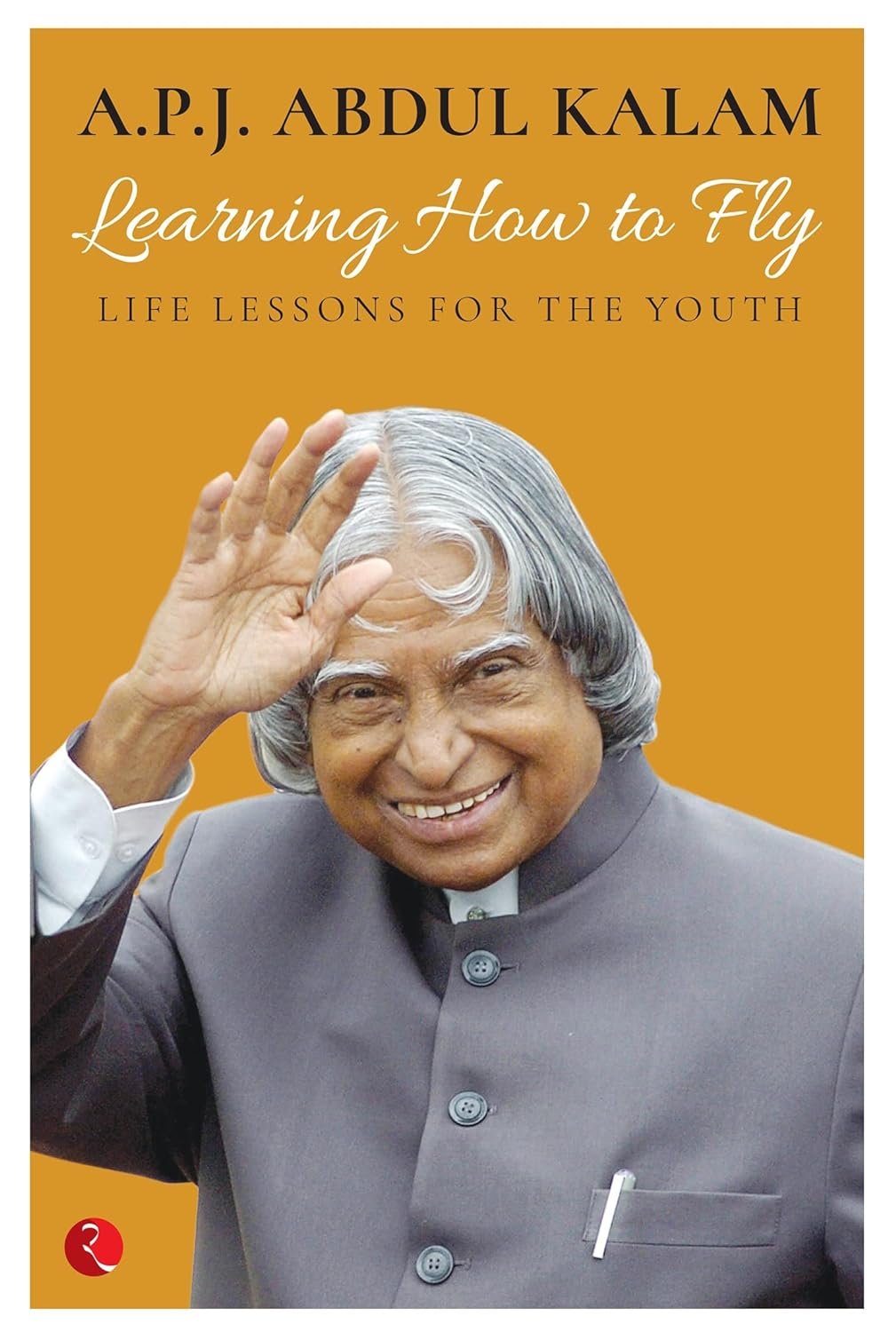
Learning How To Fly: Life Lessons For The Youth

The Three Musketeers
"The Three Musketeers" by Alexandre Dumas, published in 1844, stands as one of the most beloved and enduring adventure novels in literary history. Set in 17th-century France, the story follows the young and ambitious d'Artagnan as he journeys to Paris to join the elite Musketeers of the Guard. There, he befriends the charismatic Athos, Porthos, and Aramis, forming an inseparable quartet. The novel is a thrilling blend of historical fiction, romance, and swashbuckling adventure, as the Musketeers become embroiled in political intrigue, duels, and clandestine plots. Dumas' narrative is marked by its fast-paced action, memorable characters, and intricate plotting, creating a timeless tale of loyalty, friendship, and chivalry.
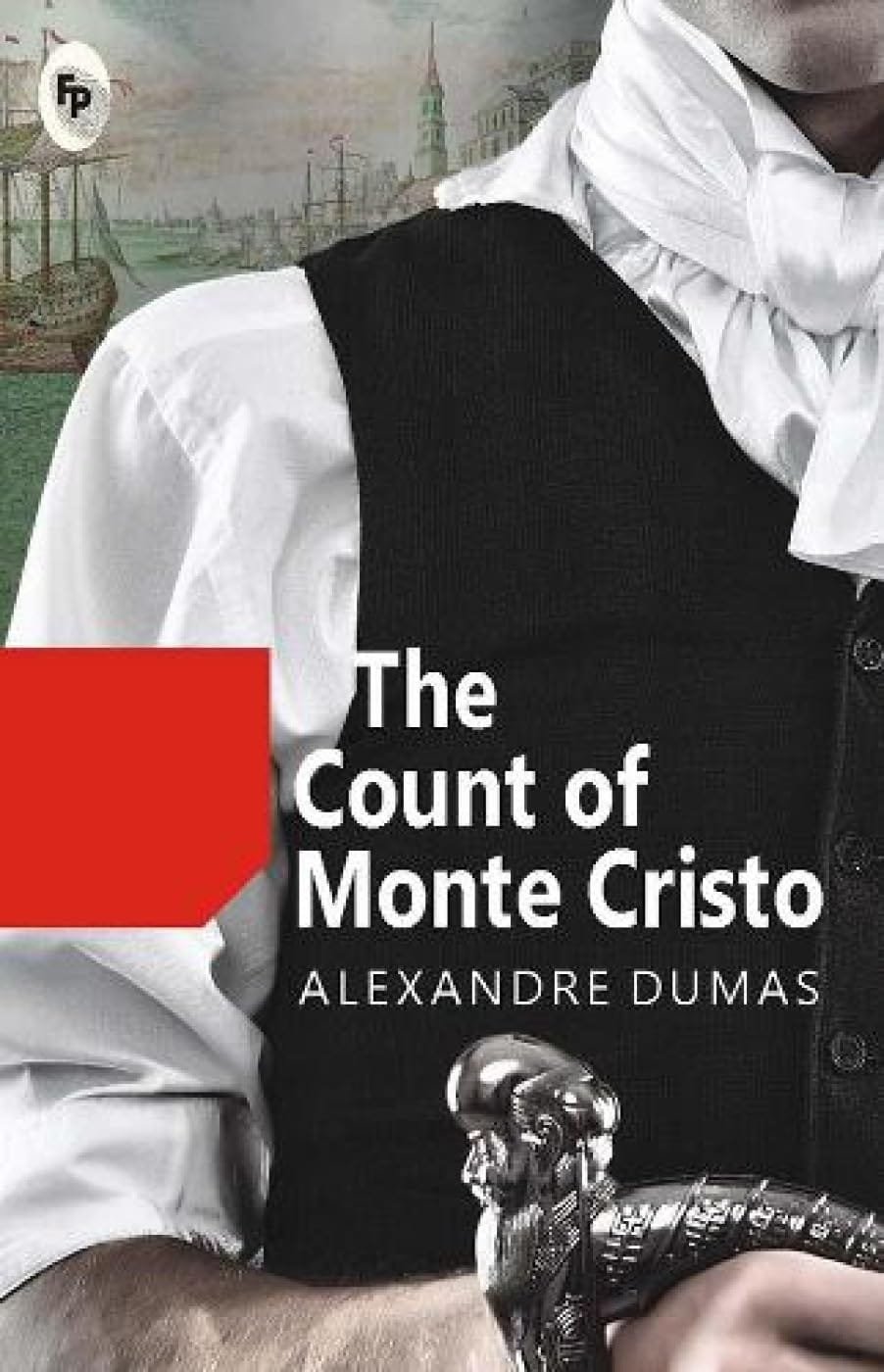
The Count Of Monte Cristo
"The Count of Monte Cristo," penned by Alexandre Dumas and first serialized in 1844, is a classic adventure novel that has captivated readers with its tale of revenge, justice, and redemption. The narrative follows the life of Edmond Dantès, a young sailor unjustly imprisoned for a crime he did not commit. The novel intricately weaves a story of betrayal, manipulation, and ultimately, Dantès' transformation into the mysterious and wealthy Count of Monte Cristo. Set against the backdrop of post-Napoleonic France, the novel explores themes of vengeance and forgiveness, while also providing a riveting portrayal of 19th-century French society.
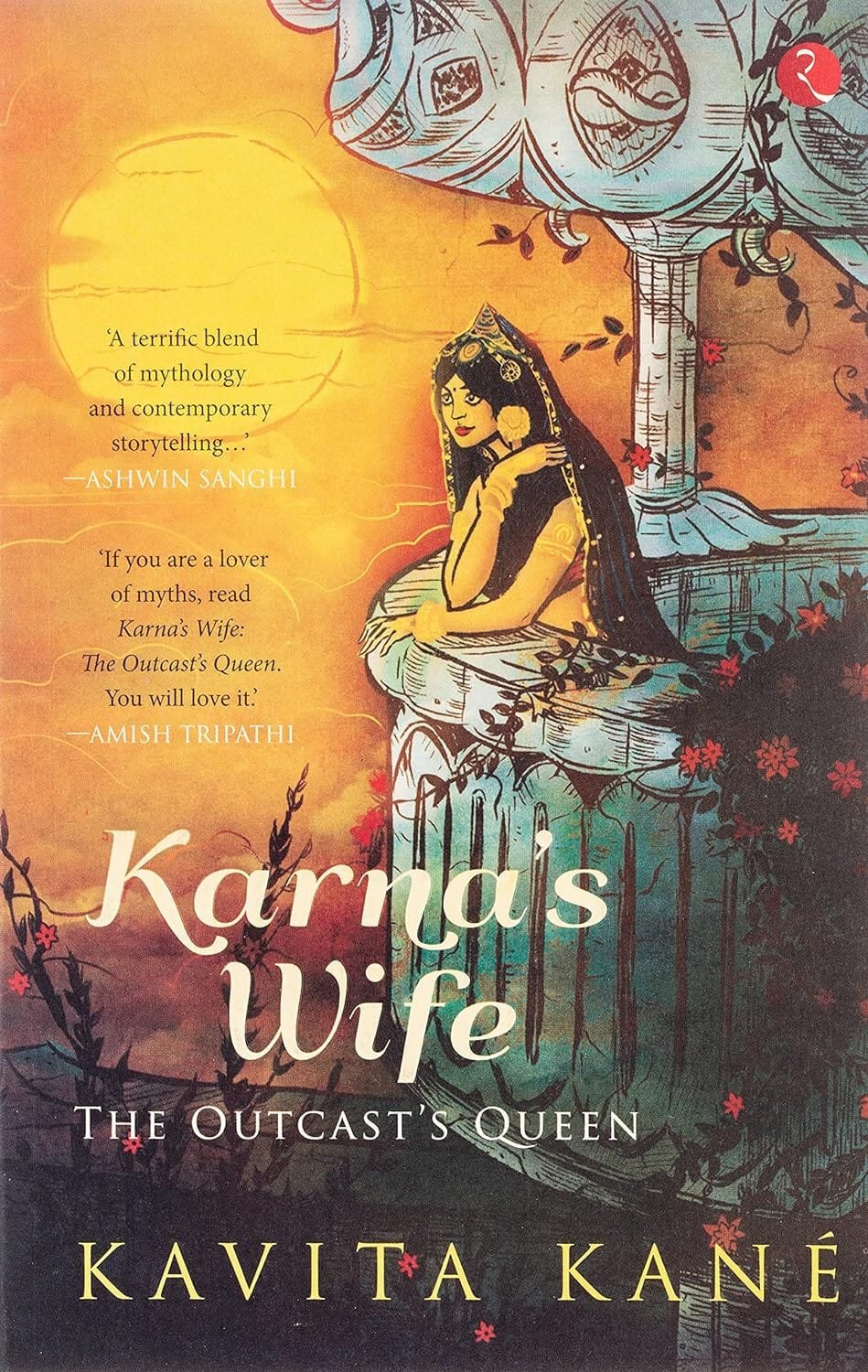
Karna’s Wife: The Outcast’s Queen

Anna Karenina
"Anna Karenina," written by Leo Tolstoy and published in 1877, stands as a towering masterpiece in the realm of Russian literature. This classic novel explores the complex interplay of love, morality, and societal expectations against the backdrop of 19th-century Russia. The narrative revolves around the tragic fate of Anna Karenina, an aristocratic woman who enters into a passionate affair with the dashing Count Vronsky. Tolstoy's exploration of the consequences of Anna's choices extends beyond her personal life, delving into the moral fabric of society and the impact of individual actions on the broader community. The novel weaves together multiple narrative threads, encompassing the lives of various characters, providing a rich tapestry of social commentary.
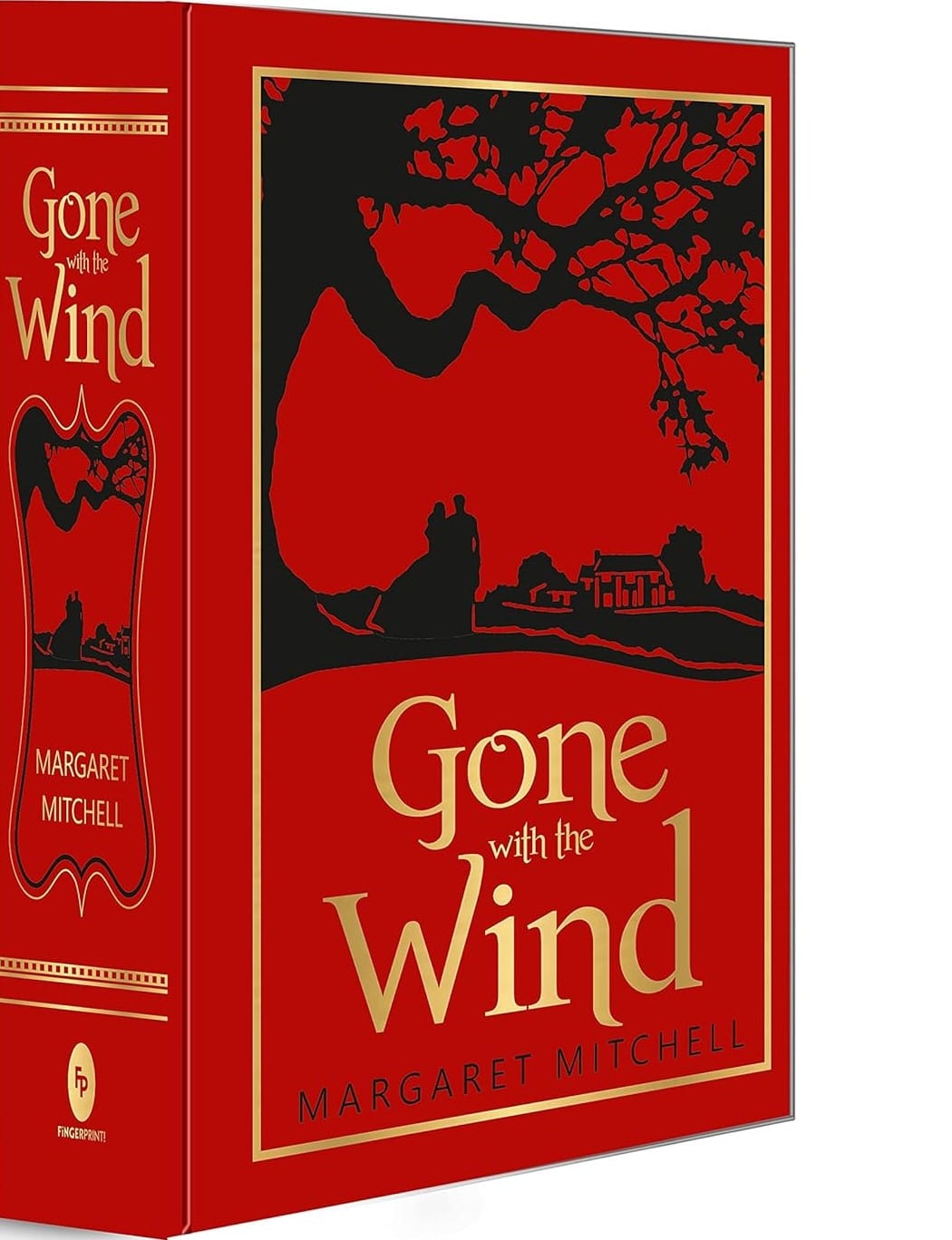
Gone With The Wind
"Gone with the Wind," authored by Margaret Mitchell and published in 1936, is a monumental work of historical fiction set against the backdrop of the American Civil War and the Reconstruction era. The novel centers around the headstrong and complex character Scarlett O'Hara as she navigates the challenges and transformations brought about by the war. A sweeping epic, the narrative explores themes of love, loss, resilience, and the profound societal changes that accompanied the upheaval of the Southern way of life. Mitchell's vivid portrayal of characters and settings, combined with her intricate storytelling, contributed to the novel's widespread acclaim.

Vanity Fair
"Vanity Fair" by William Makepeace Thackeray, published in 1847-48, is a satirical novel that stands as a classic work of Victorian literature. Set against the backdrop of early 19th-century England, the novel presents a panoramic view of society, encompassing the lives and fortunes of its characters. Thackeray's narrative is notably ambitious, weaving a complex tapestry of interconnected lives, relationships, and social commentary. The central character, Becky Sharp, is a cunning and ambitious woman who navigates the stratified social circles of the time with wit and charm, embodying the novel's exploration of the themes of social climbing, morality, and the pursuit of success.
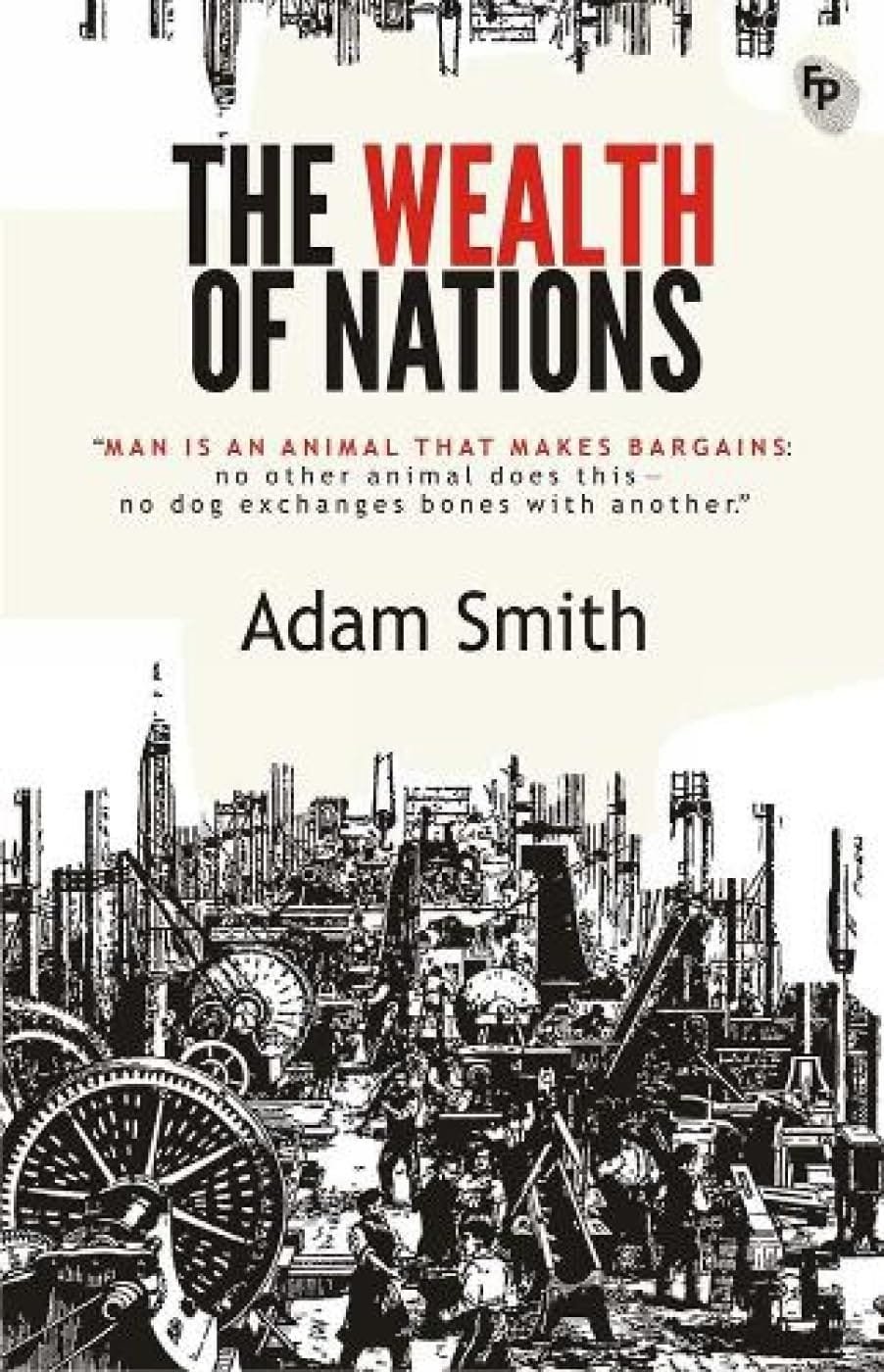
The Wealth Of Nations
"The Wealth of Nations" is a seminal work in the field of economics, written by the Scottish economist and philosopher Adam Smith and first published in 1776. In this groundbreaking book, Smith lays the foundation for classical economics by exploring the principles of free-market capitalism and the role of self-interest in promoting economic prosperity. The work is divided into five books, covering a wide range of topics, including the division of labor, the functioning of markets, and the factors influencing economic growth. Smith's famous metaphor of the "invisible hand" describes how individuals pursuing their own self-interest unintentionally contribute to the overall economic well-being of society.

Autobiography Of A Yogi
"Autobiography of a Yogi" by Paramahansa Yogananda is a spiritual classic that provides a glimpse into the life and teachings of the revered Indian yogi. Published in 1946, the book traces Yogananda's spiritual journey, from his early years in India to his quest for self-realization and the establishment of the Self-Realization Fellowship in the United States. Yogananda's narrative is a rich tapestry of mystical experiences, encounters with spiritual luminaries, and profound insights into the nature of the divine. The autobiography not only serves as a spiritual guide but also introduces readers to the principles of Kriya Yoga, a meditation technique that Yogananda popularized in the West.

Think & Grow Rich: THE 21st CENTURY EDITION
"Think and Grow Rich: The 21st Century Edition" is a modern adaptation of Napoleon Hill's timeless classic, first published in 1937. The original book has been a cornerstone in the self-help and personal development genre, providing principles for achieving success and financial abundance. This 21st-century edition, updated by Tom Butler-Bowdon, seeks to make Hill's teachings more accessible to contemporary readers. The book outlines key principles such as setting clear goals, maintaining a positive mental attitude, and cultivating a burning desire for success. It also emphasizes the power of perseverance and the importance of a well-defined plan to achieve one's aspirations. While preserving Hill's fundamental ideas, this edition incorporates examples and anecdotes from contemporary success stories, making the wisdom in "Think and Grow Rich" relevant and applicable to the challenges of the modern era.

The Science Of Getting Rich With The Science Of Being Great
"The Science of Getting Rich" and "The Science of Being Great" are two seminal works by Wallace D. Wattles that belong to the genre of self-help and personal development literature. Published in the early 20th century, these books emphasize the power of positive thinking, the law of attraction, and the pursuit of one's personal greatness. In "The Science of Getting Rich," Wattles outlines a practical and philosophical approach to achieving financial success, asserting that individuals have the right to be rich and that it is their duty to acquire wealth. He advocates for aligning one's thoughts with the creative forces of the universe to manifest prosperity.
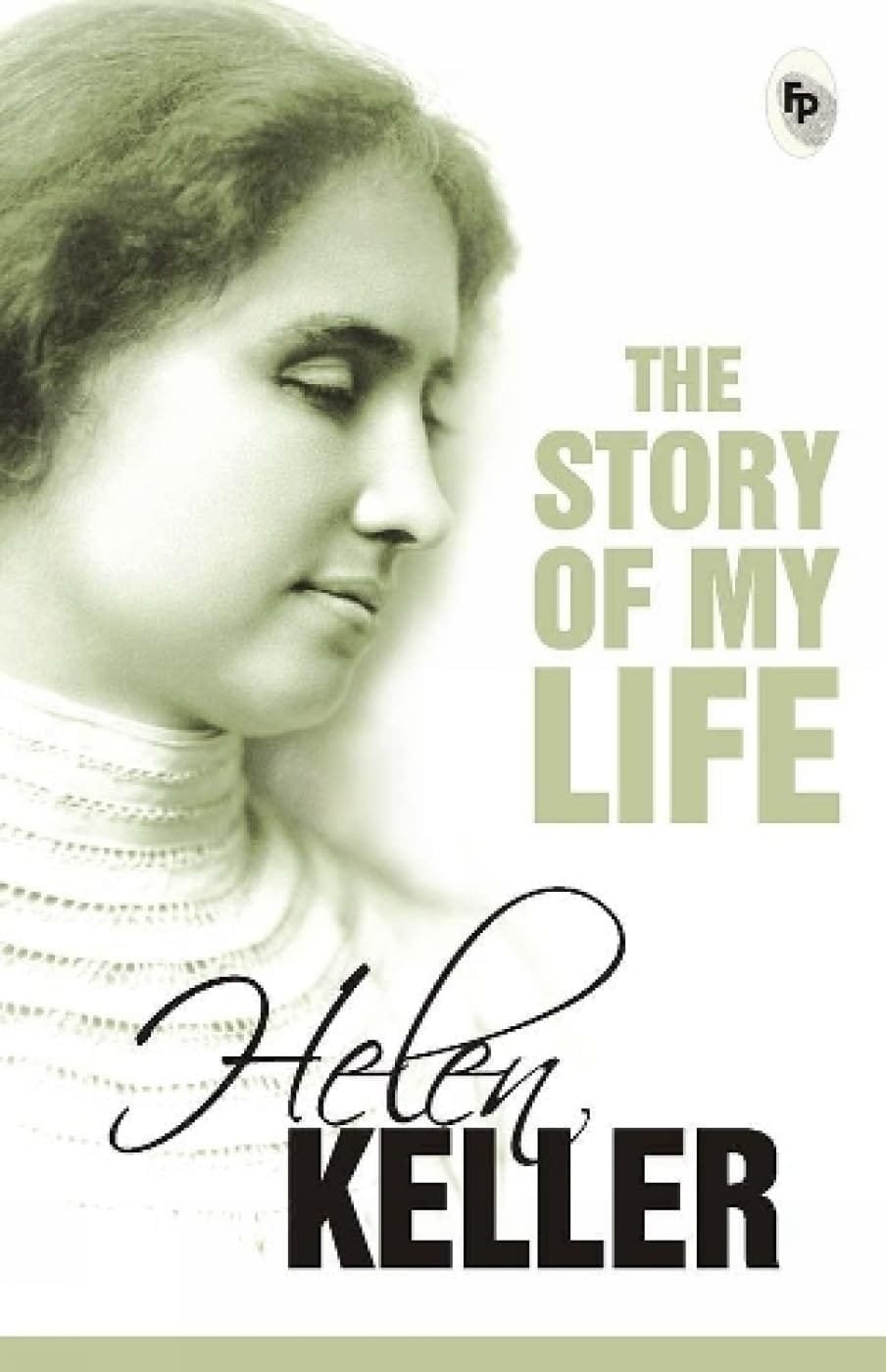
The Story Of My Life
"The Story of My Life" is the autobiography of Helen Keller, an iconic figure who overcame significant challenges to become an influential writer, speaker, and advocate. Born in 1880, Keller lost both her sight and hearing at a young age due to an illness. The autobiography, which Keller wrote when she was just 22, chronicles her journey from a world of isolation and darkness to one of education, communication, and triumph. The narrative reflects Keller's indomitable spirit and the transformative role of her teacher, Anne Sullivan, who helped unlock the world of language and knowledge for her. Keller's eloquent prose not only provides insight into her personal struggles but also serves as an inspiring testament to the human capacity for resilience, adaptation, and intellectual growth.

Madame Bovary
"Madame Bovary," authored by Gustave Flaubert and first published in 1857, stands as a masterpiece of realist fiction and a critical exploration of societal expectations, passion, and the consequences of living a life fueled by romantic fantasies. The novel centers around Emma Bovary, a young and discontented wife, who, unsatisfied with the banality of provincial life, embarks on a relentless pursuit of passion and luxury. As Emma's desires spiral out of control, leading to financial ruin and moral decay, Flaubert exposes the hollowness of romantic idealism and critiques the stifling norms of bourgeois society in 19th-century France.

Frankenstein
"Frankenstein," written by Mary Shelley and published in 1818, is a seminal work that has left an indelible mark on literature and popular culture. The novel tells the story of Victor Frankenstein, a young scientist who, driven by an insatiable desire for knowledge, creates a creature through a series of scientific experiments. However, repulsed by his creation's appearance, Victor abandons the creature, setting in motion a tragic chain of events. The novel explores profound themes such as the consequences of unchecked scientific ambition, the ethical implications of creation, and the isolation and loneliness experienced by the creature.
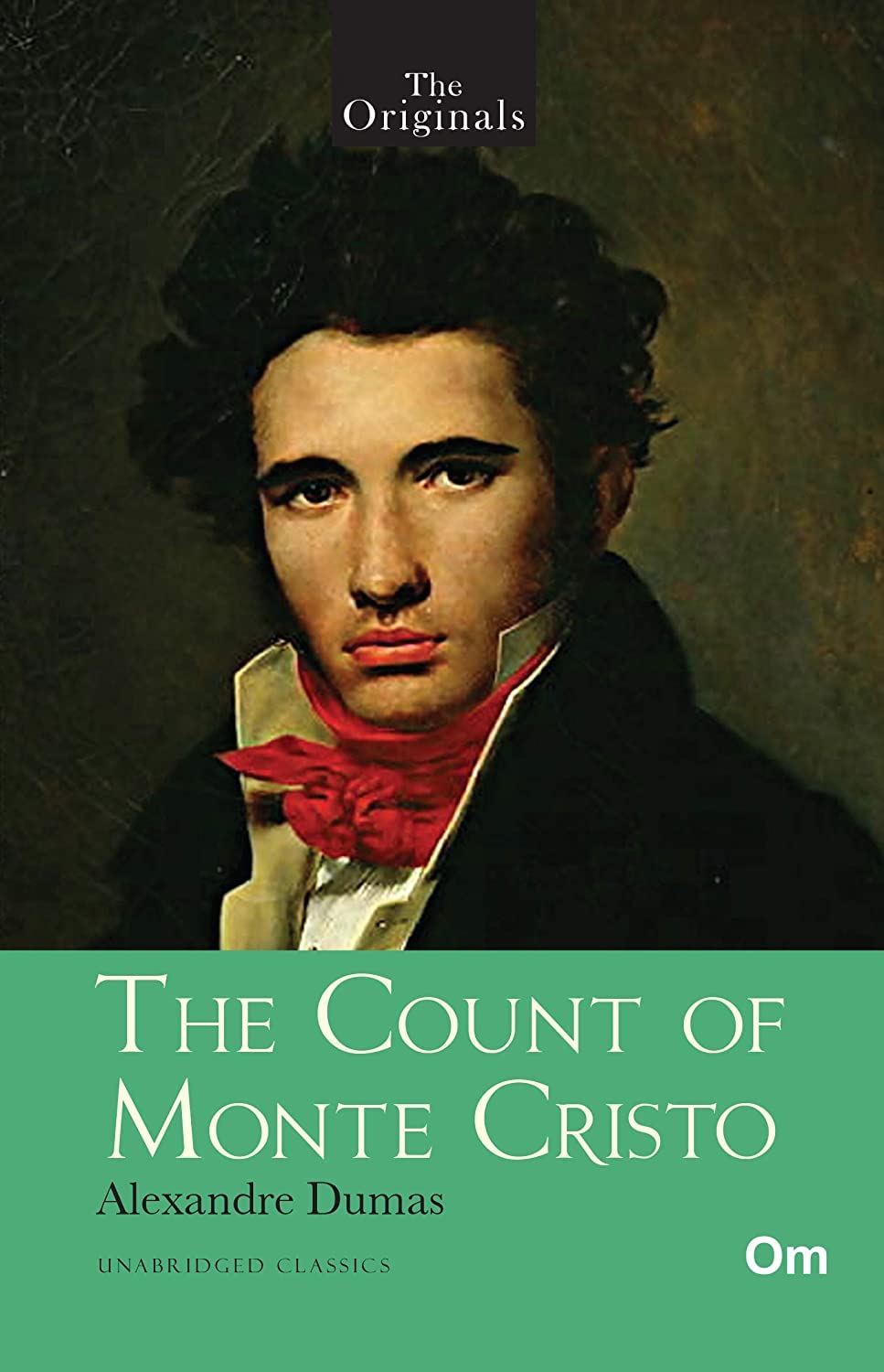
The Count Of Monte Cristo ( Unabridged Classics)
"The Count of Monte Cristo," penned by Alexandre Dumas and considered a classic in world literature, is a riveting tale of revenge, betrayal, and redemption. First serialized in 1844, this unabridged masterpiece follows the life of Edmond Dantès, a young sailor unjustly imprisoned on false charges. After escaping from the grim fortress of Château d'If, Dantès, now known as the Count of Monte Cristo, sets out to avenge those who betrayed him and stole his life. The novel's intricate plot weaves a tapestry of intricate relationships, intricate schemes, and profound character transformations, against the backdrop of early 19th-century France.

Far From The Madding Crowd
"Far From the Madding Crowd" by Thomas Hardy is a classic novel that immerses readers in the pastoral landscapes of rural Victorian England while exploring the intricacies of love, morality, and the human condition. The story revolves around Bathsheba Everdene, an independent and headstrong woman, and her relationships with three very different suitors: the steadfast shepherd Gabriel Oak, the wealthy and mature farmer William Boldwood, and the charismatic but reckless soldier Sergeant Francis Troy. Hardy's narrative skillfully weaves together the lives of these characters, delving into the complexities of their emotions and the consequences of their choices.

Gora
Gora, a novel written by Rabindranath Tagore, is a compelling exploration of identity, societal norms, and the complex interplay between tradition and modernity. Set in colonial India during the late 19th century, the story revolves around the protagonist Gora, a charismatic and fiercely nationalistic young man who grapples with questions of identity and belonging. Gora, raised as an orthodox Hindu, discovers that he is adopted and is actually of Muslim heritage. This revelation becomes a central theme in the narrative, forcing Gora to confront his prejudices and rethink his understanding of religious and cultural boundaries.
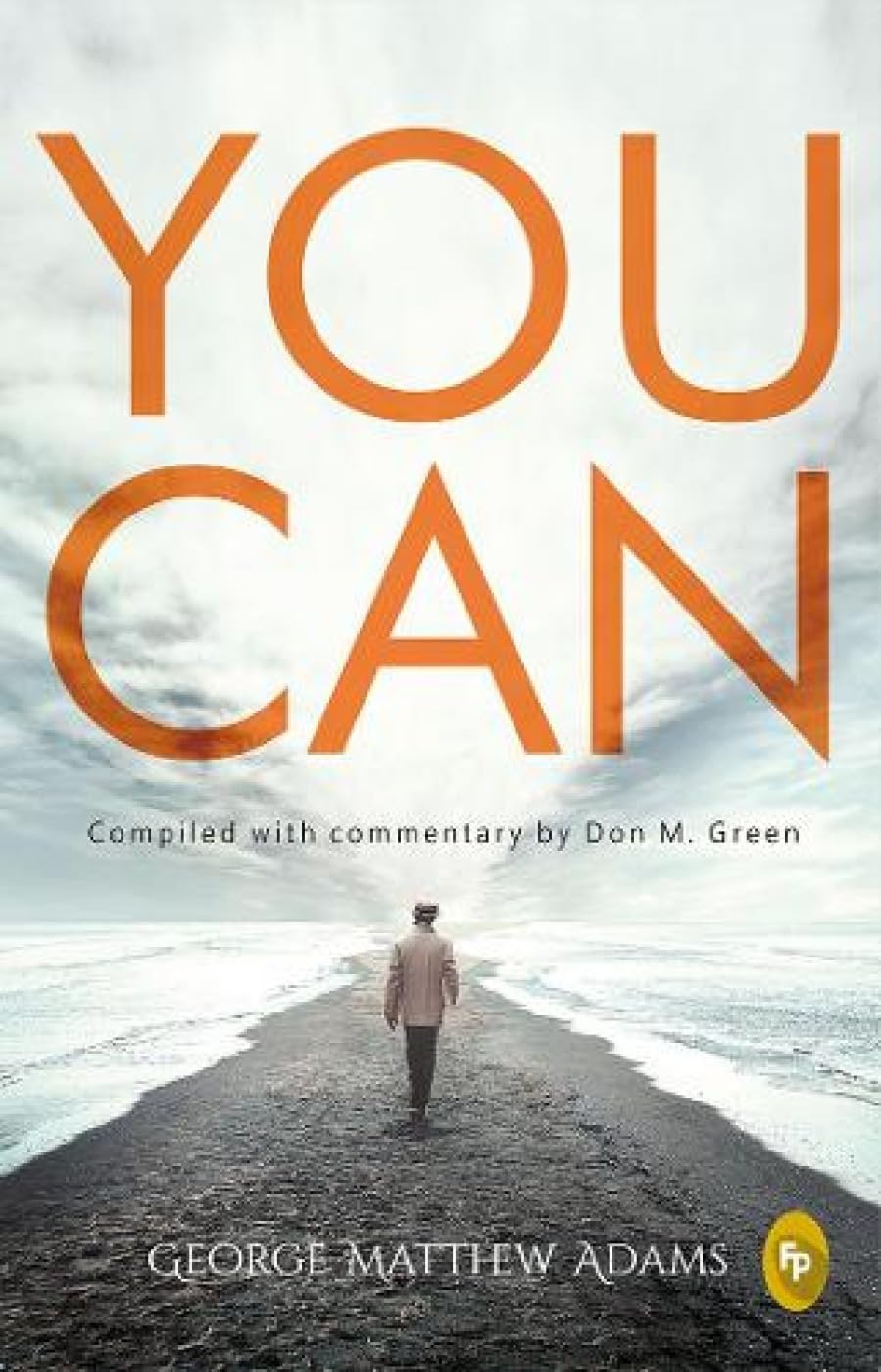
You Can
"You Can" by George Matthew Adams is a motivational essay that imparts timeless wisdom and encouragement. George Matthew Adams, a newspaper columnist and author in the early 20th century, was known for his uplifting and inspirational writings. In "You Can," Adams explores the power of positive thinking and the potential within each individual to overcome challenges and achieve success. The essay serves as a rallying call for self-belief and perseverance, emphasizing that with the right mindset and determination, individuals can overcome obstacles and make meaningful progress in their lives.
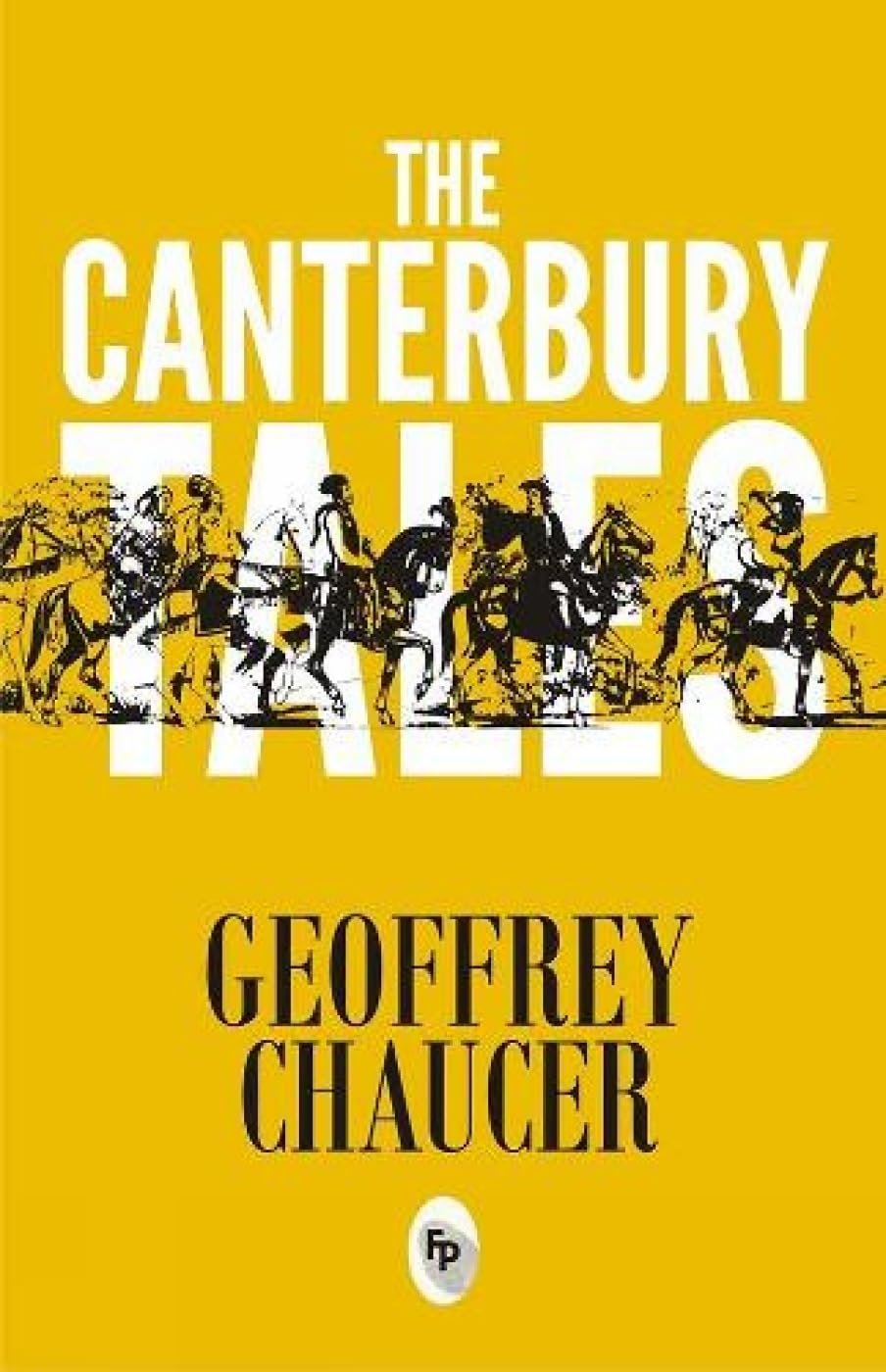
The Canterbury Tales
"The Canterbury Tales," written by Geoffrey Chaucer in the late 14th century, is a seminal work in English literature that showcases the diverse voices and perspectives of medieval England. The narrative is framed within a pilgrimage to the shrine of Thomas Becket in Canterbury, where a group of pilgrims from various social classes and backgrounds come together. Chaucer ingeniously uses this journey as a backdrop to present a collection of stories told by the pilgrims themselves. Each tale reflects the storyteller's personality, social status, and worldview, providing a rich tapestry of medieval life, morality, and satire.
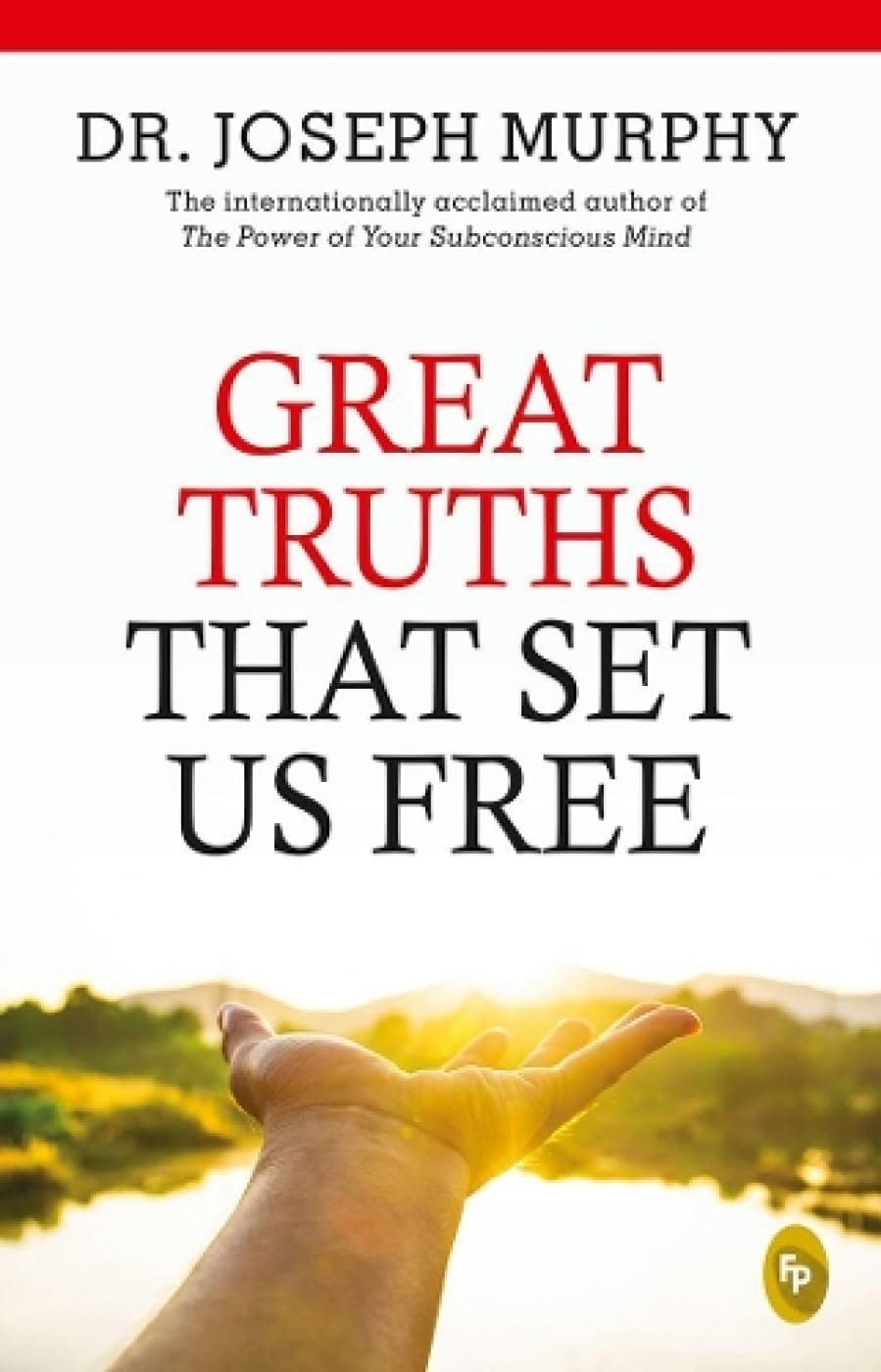
Great Truths That Set Us Free
In "Great Truths That Set Us Free" by Dr. Joseph Murphy, the author invites readers to recognize the immense creative power within their minds. Murphy emphasizes the role of thoughts and imagination in shaping one's reality, drawing parallels between the mind and a canvas waiting to be painted with the colors of one's aspirations. By instilling faith in the envisioned reality, Murphy asserts that individuals can bring their desired outcomes to life. This empowering perspective aligns with the idea that we are not mere spectators in our lives but active creators, capable of manifesting positive change through our thoughts and beliefs.
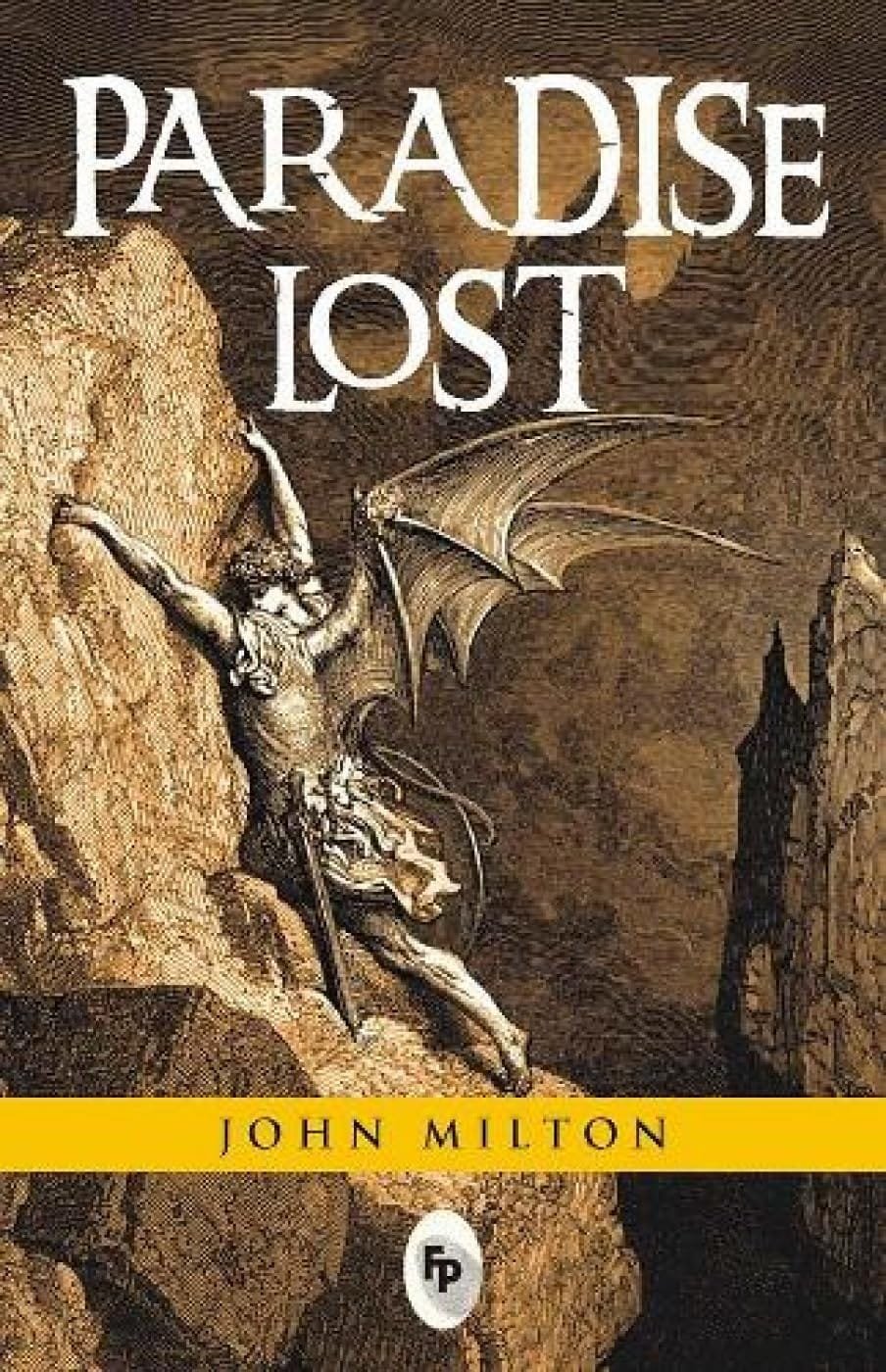
Paradise Lost
John Milton's "Paradise Lost," an epic poem published in 1667, stands as one of the most significant and influential works in English literature. The poem narrates the biblical story of the Fall of Man, tracing the rebellion of Satan and the subsequent expulsion of Adam and Eve from the Garden of Eden. Milton's poetic prowess shines through the grandeur of his verse and the complexity of his characters. Satan, a charismatic and tragic figure, becomes a compelling antihero whose defiance against God raises profound questions about free will, obedience, and the nature of evil. "Paradise Lost" is a rich tapestry of theological, philosophical, and political themes that explores the consequences of disobedience, the power of redemption, and the complexities of the human condition.

The Scarlet Letter
Nathaniel Hawthorne's "The Scarlet Letter," published in 1850, is a classic American novel that delves into the complexities of morality, sin, and societal judgment. Set in 17th-century Puritan Massachusetts, the story follows Hester Prynne, a woman who bears a child out of wedlock and is condemned to wear a scarlet "A" on her chest as a symbol of her adultery. The novel explores the psychological and emotional toll of guilt and social ostracism on Hester, her daughter Pearl, and the reverend Arthur Dimmesdale, who is secretly connected to Hester's sin. Hawthorne's masterful prose, rich symbolism, and exploration of the human condition contribute to the enduring relevance of "The Scarlet Letter," making it a literary work that continues to be studied and analyzed for its insights into the complexities of morality and human nature.

Agnes Grey
"Agnes Grey" is a novel penned by Anne Brontë, originally published in 1847. The story unfolds through the eyes of the eponymous protagonist, Agnes Grey, who serves as a governess in wealthy households during the Victorian era. The narrative provides a poignant portrayal of the challenges faced by governesses in a society that often disregarded their struggles and overlooked their contributions. Agnes encounters various trials as she navigates her roles in different households, dealing with unruly children, indifferent employers, and the social isolation that comes with her position. Brontë, with her keen observations and sharp social critique, not only sheds light on the plight of governesses but also explores themes of morality, class distinctions, and the limited options available to women in the 19th century.

As A Man Thinketh
"As a Man Thinketh" by James Allen is a classic self-help book that explores the profound impact of thoughts on one's life. Originally published in 1903, Allen's work emphasizes the power of the mind in shaping personal destiny. The central theme revolves around the idea that individuals are the architects of their own lives, and the quality of one's thoughts determines the quality of one's experiences. Allen argues that by cultivating positive and constructive thoughts, individuals can shape a prosperous and fulfilling existence. The book is concise but profound, urging readers to take responsibility for their mental attitudes and guiding them toward a path of self-improvement, personal growth, and success.
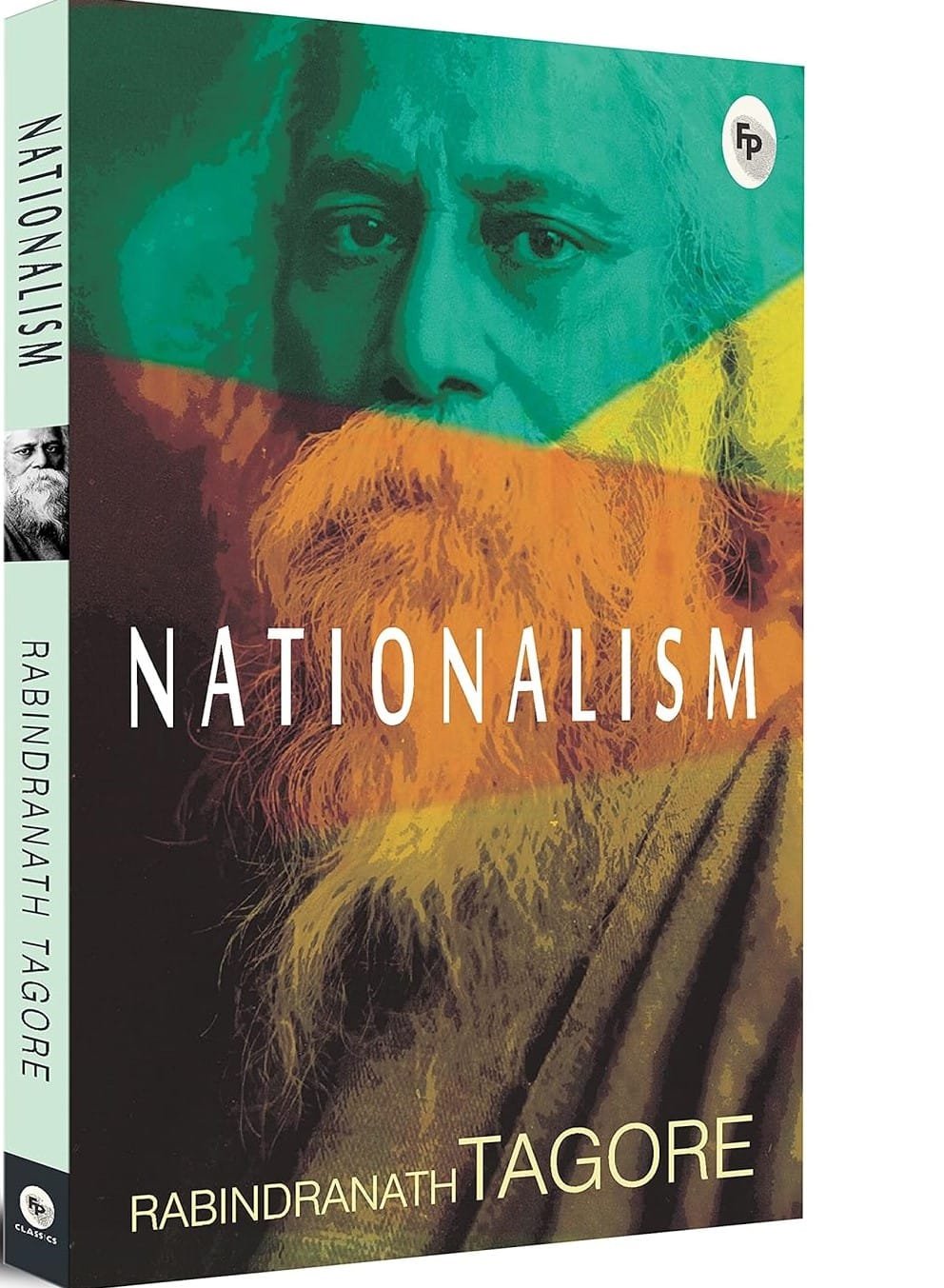
Nationalism

Man-Eaters Of Kumaon
Man-Eaters of Kumaon" is a captivating and thrilling account by Jim Corbett, the legendary hunter and conservationist, recounting his experiences tracking and eliminating man-eating tigers in the Kumaon region of India during the early 20th century. Published in 1944, Corbett's narrative is not merely a collection of hunting stories; it serves as a gripping exploration of the intricate relationships between humans and wildlife. The book vividly portrays the challenges and dangers of dealing with rogue tigers that have turned into man-eaters, terrorizing local communities. Corbett's writing skillfully combines adventure and suspense with a deep appreciation for the beauty of the Himalayan landscapes and the diverse flora and fauna, emphasizing the importance of wildlife conservation and coexistence.

Wake Up! You Alive
"Wake Up! You're Alive" by Arnold Fox and Barry Fox is a self-help book that aims to inspire readers to live life to the fullest and embrace their true potential. The authors, known for their motivational writings, provide insights and practical advice on how to break free from self-imposed limitations, overcome challenges, and cultivate a mindset of gratitude and positivity. The central theme revolves around the idea that life is a precious gift, and by waking up to the present moment with awareness and intention, individuals can transform their lives and unlock a greater sense of fulfillment.

Dracula
Bram Stoker's "Dracula" stands as a seminal work in the realm of Gothic literature, defining and popularizing the vampire genre for generations to come. Published in 1897, the novel unfolds through a series of letters, diary entries, and newspaper clippings, offering a unique and atmospheric narrative structure. Set against the backdrop of Victorian England, the story revolves around Count Dracula, a centuries-old vampire from Transylvania, who seeks to spread the undead curse to England. Stoker masterfully weaves elements of horror, suspense, and folklore, creating a tale that explores themes of fear, sexuality, and the clash between modernity and ancient superstitions. "Dracula" is not merely a chilling supernatural tale but a layered narrative that delves into the psychological and societal anxieties of its time, making it a timeless classic that continues to captivate readers.
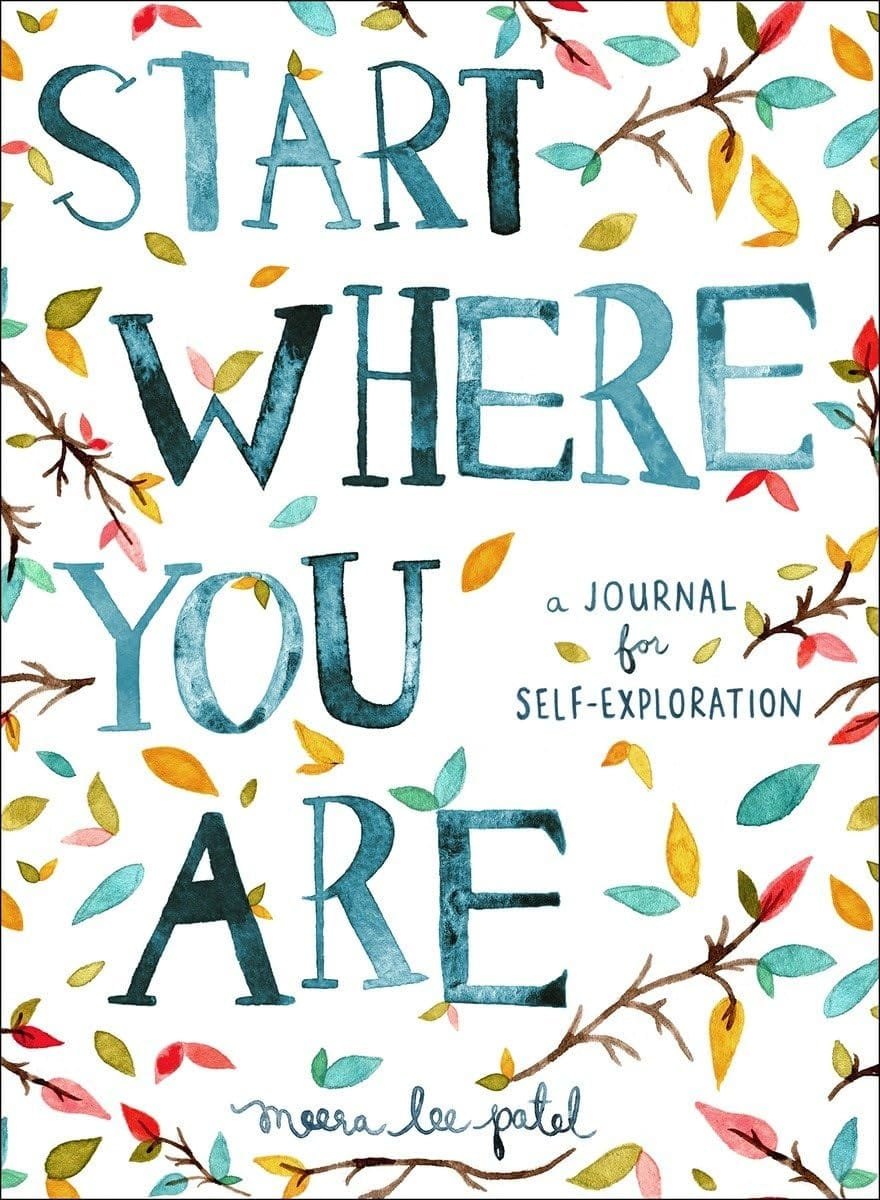
Start Where You Are
"Start Where You Are" by Pema Chödrön is a profound and insightful guide to embracing mindfulness and finding peace amidst life's challenges. Chödrön, a revered Buddhist nun and teacher, presents timeless teachings and practical advice for cultivating compassion, resilience, and inner strength. Through accessible and compassionate language, she encourages readers to embrace the present moment, acknowledging difficulties without succumbing to them. The book serves as a gentle invitation to self-discovery, urging individuals to begin their journey towards emotional healing and self-acceptance, emphasizing that the path to transformation starts with acknowledging one's current circumstances and embracing them with openness and courage.

The Flip Side
"The Flip Side" by James Bailey is a charming and heartwarming romantic novel that has been described as a delightful read akin to the popular book "The Flatshare." This story promises to bring an engaging and uplifting narrative, highlighting themes of love, connection, and perhaps unexpected circumstances. Drawing comparisons to the beloved novel "The Flatshare," "The Flip Side" likely intertwines elements of romance and genuine human connection, offering readers an emotionally satisfying and feel-good experience that resonates long after the final page.