


মা
‘মা’ ম্যাক্সিম গোর্কি সবচেয়ে উল্লেখযোগ্য উপন্যাস। প্রকাশের সঙ্গে সঙ্গে নতুন ঘরানার উপন্যাস হিসেবে তা পাঠকদের সপ্রশংস দৃষ্টি আকর্ষণ করতে সমর্থ হয়। শুধু রাশিয়ায় নয়, সমগ্র বিশ্বের উপন্যাস পাঠকের কাছে অনুবাদের মাধ্যমে উপন্যাসটি ব্যাপকভাবে সমাদৃত হয়েছে। অনেকে মনে করেন, রুশ সাহিত্যের সমৃদ্ধ পটভূমি, সমকালীন বিশ্বপরিস্থিতি, রুশ সমাজের নানা টানাপড়েন এবং সাহিত্যের চিরায়ত হয়ে উঠবার কিছু উপাদান মা উপন্যাসে আছে বলেই তা বিশ্বজুড়ে শীর্ষস্পর্শী পাঠকপ্রিয়তা পেয়েছে।
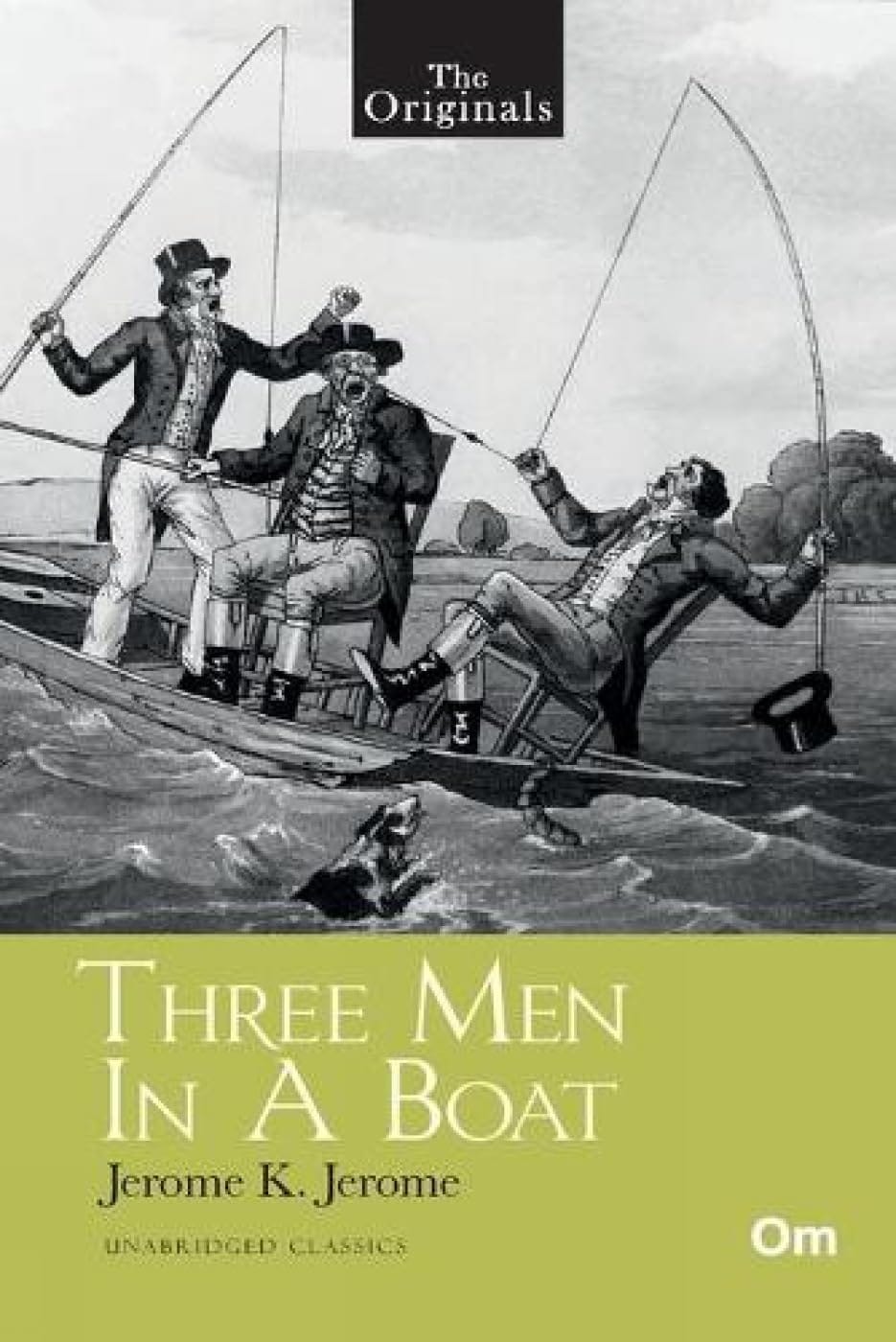
Three Man In A Boat ( Unabridged Classics)
"Three Men in a Boat," written by Jerome K. Jerome and first published in 1889, is a delightful and humorous novel that has stood the test of time as a classic in English literature. The narrative follows the misadventures of three friends, George, Harris, and the narrator, as they embark on a boating expedition along the Thames River. Laden with wit and keen observations, the novel provides a humorous commentary on the quirks and idiosyncrasies of Victorian society. Jerome's narrative style, combining humor with a touch of sentimentality, has endeared the book to generations of readers.

Uncle Tom’s Cabin
"Uncle Tom's Cabin" by Harriet Beecher Stowe, published in 1852, is a seminal work in American literature that played a pivotal role in the abolitionist movement and the lead-up to the American Civil War. The novel vividly portrays the harsh realities of slavery in the Southern United States and follows the life of Uncle Tom, a devout and compassionate enslaved man. Harriet Beecher Stowe's storytelling prowess and her ability to evoke empathy in readers contributed to the novel's immense impact on public sentiment. The character of Uncle Tom, with his unwavering Christian faith and moral integrity, became an enduring symbol of resistance against the dehumanizing institution of slavery.
The Count Of Monte Cristo
"The Count of Monte Cristo," penned by Alexandre Dumas and first serialized in 1844, is a classic adventure novel that has captivated readers with its tale of revenge, justice, and redemption. The narrative follows the life of Edmond Dantès, a young sailor unjustly imprisoned for a crime he did not commit. The novel intricately weaves a story of betrayal, manipulation, and ultimately, Dantès' transformation into the mysterious and wealthy Count of Monte Cristo. Set against the backdrop of post-Napoleonic France, the novel explores themes of vengeance and forgiveness, while also providing a riveting portrayal of 19th-century French society.

Anna Karenina
"Anna Karenina," written by Leo Tolstoy and published in 1877, stands as a towering masterpiece in the realm of Russian literature. This classic novel explores the complex interplay of love, morality, and societal expectations against the backdrop of 19th-century Russia. The narrative revolves around the tragic fate of Anna Karenina, an aristocratic woman who enters into a passionate affair with the dashing Count Vronsky. Tolstoy's exploration of the consequences of Anna's choices extends beyond her personal life, delving into the moral fabric of society and the impact of individual actions on the broader community. The novel weaves together multiple narrative threads, encompassing the lives of various characters, providing a rich tapestry of social commentary.

War And Peace ( Unabridged Classics)
Leo Tolstoy's "War and Peace" is a monumental work of Russian literature, originally published between 1865 and 1869. Regarded as one of the greatest novels ever written, it explores the impact of historical events on the lives of a multitude of characters, against the backdrop of the Napoleonic Wars. The narrative weaves together the personal and political, offering a panoramic view of Russian society during a transformative period. Tolstoy's meticulous attention to detail and his profound insights into the human psyche make "War and Peace" not merely a historical novel but a profound exploration of life, death, love, and the nature of power.
Gone With The Wind
"Gone with the Wind," authored by Margaret Mitchell and published in 1936, is a monumental work of historical fiction set against the backdrop of the American Civil War and the Reconstruction era. The novel centers around the headstrong and complex character Scarlett O'Hara as she navigates the challenges and transformations brought about by the war. A sweeping epic, the narrative explores themes of love, loss, resilience, and the profound societal changes that accompanied the upheaval of the Southern way of life. Mitchell's vivid portrayal of characters and settings, combined with her intricate storytelling, contributed to the novel's widespread acclaim.

Vanity Fair
"Vanity Fair" by William Makepeace Thackeray, published in 1847-48, is a satirical novel that stands as a classic work of Victorian literature. Set against the backdrop of early 19th-century England, the novel presents a panoramic view of society, encompassing the lives and fortunes of its characters. Thackeray's narrative is notably ambitious, weaving a complex tapestry of interconnected lives, relationships, and social commentary. The central character, Becky Sharp, is a cunning and ambitious woman who navigates the stratified social circles of the time with wit and charm, embodying the novel's exploration of the themes of social climbing, morality, and the pursuit of success.

World’s Greatest Classics (Box Set Of 4 Books)
The "World’s Greatest Classics (Box Set of 4 Books)" represents a curated collection that brings together some of the most enduring and influential literary works from across cultures and time periods. This box set typically comprises a carefully selected assortment of classic novels, often spanning genres such as fiction, philosophy, and poetry. The intention behind such compilations is to offer readers a comprehensive literary experience, exposing them to timeless tales and profound philosophical ideas that have shaped human thought and culture.

Great Expectations
Great Expectations, authored by Charles Dickens and first published in 1860, stands as one of the quintessential novels of Victorian literature. The narrative unfolds the life of Philip Pirrip, commonly known as Pip, and traces his journey from a humble orphan in rural England to a young man navigating the complexities of social class and personal identity in London. The novel is renowned for its vivid characters, including the enigmatic Miss Havisham and the convict Magwitch, and it explores themes of social injustice, morality, and the consequences of unbridled ambition.

Northanger Abbey
Northanger Abbey is a novel by Jane Austen, written in the late 18th century but published posthumously in 1817. It is a coming-of-age story that follows the journey of Catherine Morland, an imaginative and naive young woman, as she navigates the social complexities of Bath society. The novel is known for its satirical take on the gothic novel genre popular during Austen's time. Through Catherine's experiences, the novel explores themes of love, friendship, and the pitfalls of allowing one's imagination to run wild.

The Strange Case Of Dr. Jekyll Mr. Hyde
"The Strange Case of Dr. Jekyll and Mr. Hyde" by Robert Louis Stevenson is a novella that delves into the duality of human nature and the consequences of unchecked desires. First published in 1886, this Gothic masterpiece revolves around Dr. Henry Jekyll, a respected scientist who experiments with a potion to separate the good and evil sides of his personality. The transformation results in the emergence of the sinister Mr. Hyde, embodying Jekyll's darkest impulses. Stevenson's narrative explores the psychological and moral implications of the dual identity, delving into the struggle between civilization and primal instincts, and the blurred lines between good and evil. The novella remains a classic examination of the human psyche, challenging readers to contemplate the complexities of human behavior and the consequences of suppressing one's darker inclinations.

The Story Of Doctor Dolittle
"The Story of Doctor Dolittle" by Hugh Lofting is a timeless classic of children's literature that has captivated generations with its whimsical tales of a kind-hearted doctor who can communicate with animals. First published in 1920, the story introduces Dr. John Dolittle, a physician who learns the language of animals and embarks on various adventures around the world with his unique ability. The narrative is a delightful exploration of the bond between humans and animals, as Dr. Dolittle befriends a diverse array of creatures, from Polynesia the parrot to Chee-Chee the monkey. Lofting's charming storytelling and his whimsical illustrations make the book an enduring favorite among young readers, fostering a love for animals and a sense of wonder about the natural world.

Gulliver Travels ( Unabridged Classics)
"Gulliver's Travels," an unabridged classic penned by Jonathan Swift in 1726, stands as a satirical masterpiece that uses the fantastical voyages of Lemuel Gulliver to explore and critique various aspects of human nature, politics, and society. The novel follows Gulliver as he embarks on four remarkable journeys to imaginary lands—Lilliput, Brobdingnag, Laputa, and the land of the Houyhnhnms. Swift employs these fictional societies to satirize contemporary political and social structures, offering a sharp commentary on the follies and vices of humanity. Through Gulliver's encounters with miniature people, giants, floating islands, and rational horses, Swift unveils the absurdities of power, the dangers of unchecked reason, and the potential for moral degeneration.
Madame Bovary
"Madame Bovary," authored by Gustave Flaubert and first published in 1857, stands as a masterpiece of realist fiction and a critical exploration of societal expectations, passion, and the consequences of living a life fueled by romantic fantasies. The novel centers around Emma Bovary, a young and discontented wife, who, unsatisfied with the banality of provincial life, embarks on a relentless pursuit of passion and luxury. As Emma's desires spiral out of control, leading to financial ruin and moral decay, Flaubert exposes the hollowness of romantic idealism and critiques the stifling norms of bourgeois society in 19th-century France.
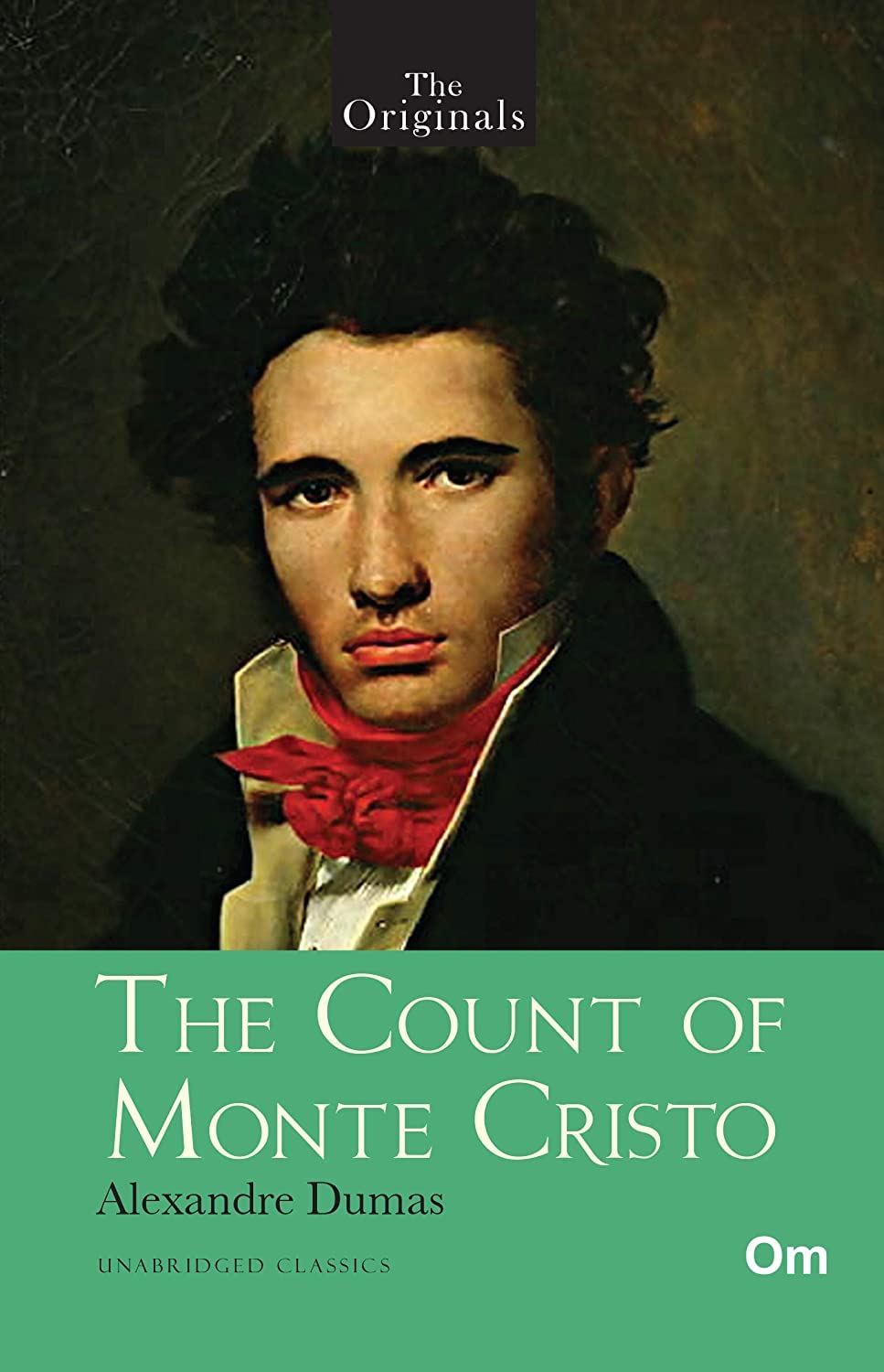
The Count Of Monte Cristo ( Unabridged Classics)
"The Count of Monte Cristo," penned by Alexandre Dumas and considered a classic in world literature, is a riveting tale of revenge, betrayal, and redemption. First serialized in 1844, this unabridged masterpiece follows the life of Edmond Dantès, a young sailor unjustly imprisoned on false charges. After escaping from the grim fortress of Château d'If, Dantès, now known as the Count of Monte Cristo, sets out to avenge those who betrayed him and stole his life. The novel's intricate plot weaves a tapestry of intricate relationships, intricate schemes, and profound character transformations, against the backdrop of early 19th-century France.
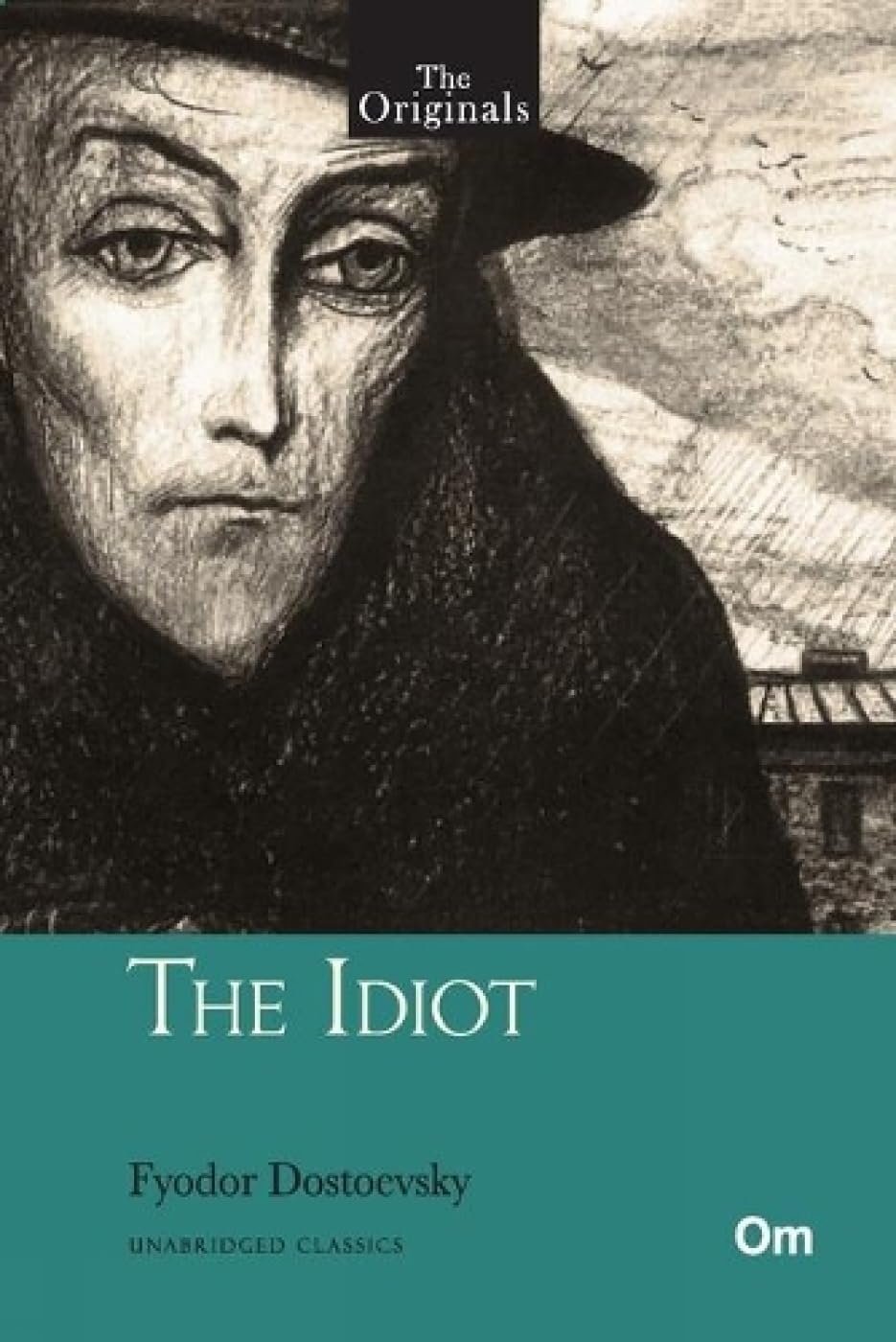
The Idiot ( Unabridged Classics)
"The Idiot," a literary masterpiece by Fyodor Dostoevsky, is a complex exploration of the human psyche, morality, and societal conventions. Published in 1869, this novel tells the story of Prince Lev Nikolayevich Myshkin, an enigmatic and inherently good man who returns to Russia after receiving treatment for epilepsy in Switzerland. The protagonist, often referred to as "the idiot" due to his innocent and naïve nature, encounters a cast of characters who embody various facets of Russian society, including the cunning Rogozhin and the coquettish Nastasya Filippovna. Through Myshkin's interactions with these characters, Dostoevsky delves into themes of love, faith, and the intricacies of the human soul.
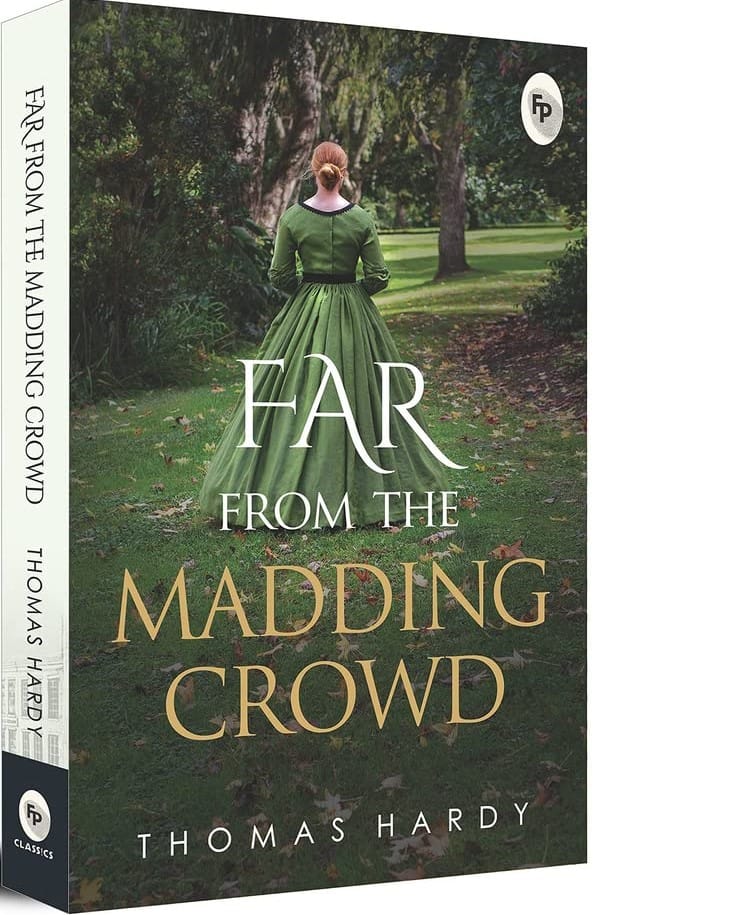
Far From The Madding Crowd
"Far From the Madding Crowd" by Thomas Hardy is a classic novel that immerses readers in the pastoral landscapes of rural Victorian England while exploring the intricacies of love, morality, and the human condition. The story revolves around Bathsheba Everdene, an independent and headstrong woman, and her relationships with three very different suitors: the steadfast shepherd Gabriel Oak, the wealthy and mature farmer William Boldwood, and the charismatic but reckless soldier Sergeant Francis Troy. Hardy's narrative skillfully weaves together the lives of these characters, delving into the complexities of their emotions and the consequences of their choices.

Anne Of Green Gables
"Anne of Green Gables," written by Canadian author Lucy Maud Montgomery, is a beloved classic that has enchanted readers since its publication in 1908. The novel introduces us to Anne Shirley, an imaginative and spirited orphan mistakenly sent to live with Marilla and Matthew Cuthbert, a brother and sister who had initially intended to adopt a boy to help them with their farm in the fictional village of Avonlea. Anne's vibrant personality, vivid imagination, and penchant for getting into delightful scrapes quickly win the hearts of both the Cuthberts and the readers. Montgomery skillfully captures the picturesque landscapes of Prince Edward Island, creating a charming backdrop for Anne's adventures and misadventures.
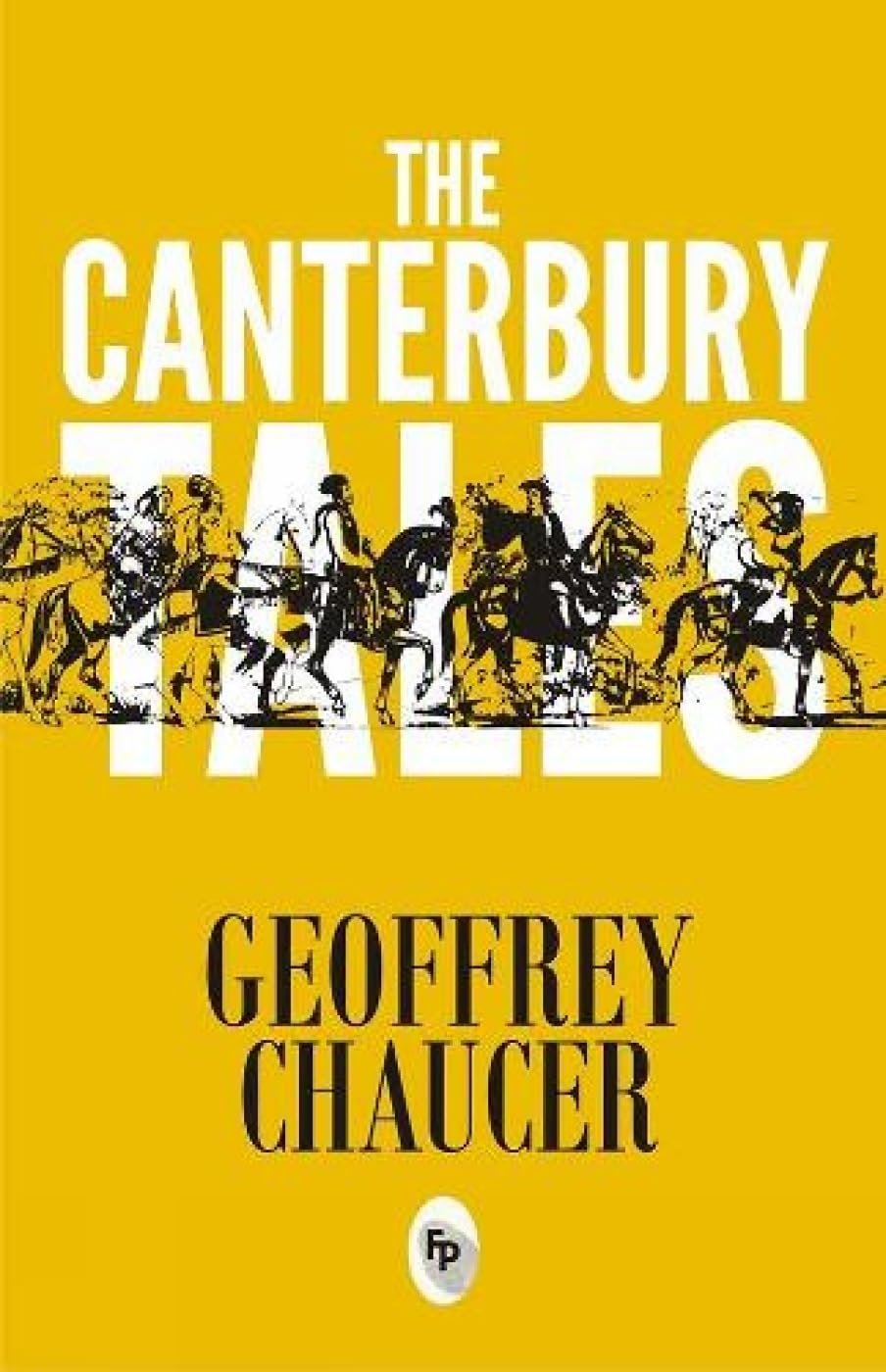
The Canterbury Tales
"The Canterbury Tales," written by Geoffrey Chaucer in the late 14th century, is a seminal work in English literature that showcases the diverse voices and perspectives of medieval England. The narrative is framed within a pilgrimage to the shrine of Thomas Becket in Canterbury, where a group of pilgrims from various social classes and backgrounds come together. Chaucer ingeniously uses this journey as a backdrop to present a collection of stories told by the pilgrims themselves. Each tale reflects the storyteller's personality, social status, and worldview, providing a rich tapestry of medieval life, morality, and satire.
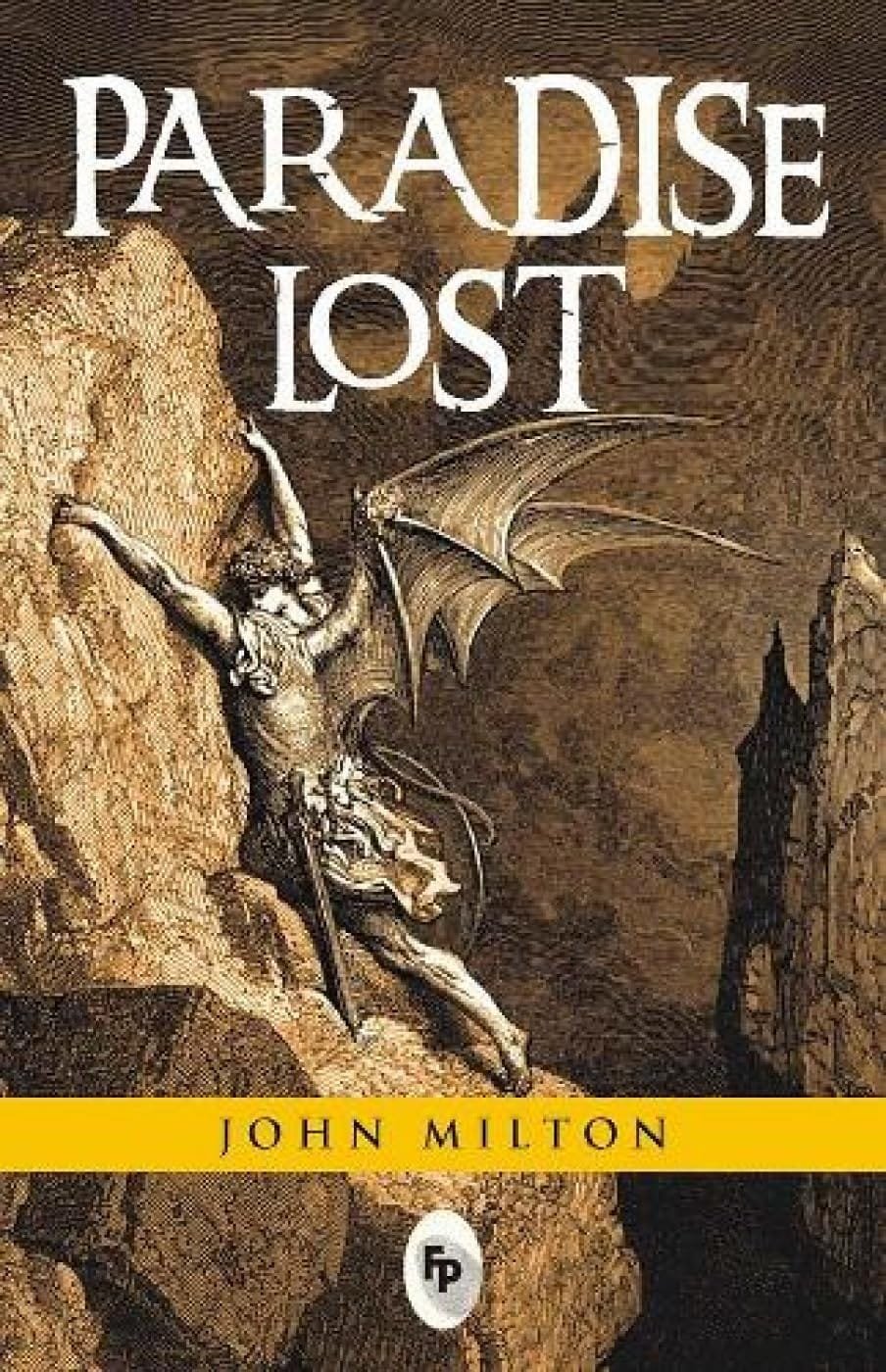
Paradise Lost
John Milton's "Paradise Lost," an epic poem published in 1667, stands as one of the most significant and influential works in English literature. The poem narrates the biblical story of the Fall of Man, tracing the rebellion of Satan and the subsequent expulsion of Adam and Eve from the Garden of Eden. Milton's poetic prowess shines through the grandeur of his verse and the complexity of his characters. Satan, a charismatic and tragic figure, becomes a compelling antihero whose defiance against God raises profound questions about free will, obedience, and the nature of evil. "Paradise Lost" is a rich tapestry of theological, philosophical, and political themes that explores the consequences of disobedience, the power of redemption, and the complexities of the human condition.

The Scarlet Letter
Nathaniel Hawthorne's "The Scarlet Letter," published in 1850, is a classic American novel that delves into the complexities of morality, sin, and societal judgment. Set in 17th-century Puritan Massachusetts, the story follows Hester Prynne, a woman who bears a child out of wedlock and is condemned to wear a scarlet "A" on her chest as a symbol of her adultery. The novel explores the psychological and emotional toll of guilt and social ostracism on Hester, her daughter Pearl, and the reverend Arthur Dimmesdale, who is secretly connected to Hester's sin. Hawthorne's masterful prose, rich symbolism, and exploration of the human condition contribute to the enduring relevance of "The Scarlet Letter," making it a literary work that continues to be studied and analyzed for its insights into the complexities of morality and human nature.

Agnes Grey
"Agnes Grey" is a novel penned by Anne Brontë, originally published in 1847. The story unfolds through the eyes of the eponymous protagonist, Agnes Grey, who serves as a governess in wealthy households during the Victorian era. The narrative provides a poignant portrayal of the challenges faced by governesses in a society that often disregarded their struggles and overlooked their contributions. Agnes encounters various trials as she navigates her roles in different households, dealing with unruly children, indifferent employers, and the social isolation that comes with her position. Brontë, with her keen observations and sharp social critique, not only sheds light on the plight of governesses but also explores themes of morality, class distinctions, and the limited options available to women in the 19th century.

Othello
Twelfth Night
"Twelfth Night" by William Shakespeare is a delightful comedy that showcases the Bard's masterful use of wit, mistaken identities, and the complexities of love. Written around 1601, the play unfolds with a shipwreck that separates the twins Viola and Sebastian. Viola disguises herself as a young man, Cesario, and becomes entangled in a love triangle when she serves Duke Orsino, who is infatuated with Olivia. However, Olivia falls for Cesario, not realizing his true identity. The play is a celebration of love's capricious nature, filled with humor, misunderstandings, and the transformative power of disguise. Shakespeare skillfully weaves together themes of gender roles, the fluidity of love, and the folly of human nature, making "Twelfth Night" a timeless work that continues to captivate audiences and readers alike.

The Mill On The Floss
"The Mill on the Floss" by George Eliot is a literary masterpiece that weaves a poignant narrative of family, societal expectations, and the relentless currents of fate. Set against the backdrop of rural England, Eliot crafts a rich tapestry of characters, with siblings Tom and Maggie Tulliver at the heart of the story. The novel explores the complexities of sibling relationships, societal constraints, and the inevitable clashes between individual desires and societal norms. Eliot's keen observations and profound understanding of human nature are evident throughout the novel, as she navigates the Tulliver siblings through love, loss, and the harsh realities of 19th-century provincial life.

The Catcher In The Rye
"The Catcher in the Rye" by J.D. Salinger remains a seminal piece of literature that continues to captivate readers with its raw portrayal of adolescence, rebellion, and alienation. The novel follows the journey of Holden Caulfield, a disenchanted teenager navigating the complexities of life after being expelled from prep school. Holden's distinctive voice and cynical outlook on society serve as a poignant commentary on the challenges of growing up, the phoniness of the adult world, and the struggle to find authenticity in a world he perceives as artificial. Salinger's narrative captures the essence of teenage angst and disillusionment, portraying Holden's quest for truth and genuine connections while grappling with feelings of isolation and disillusionment.

Beloved
Toni Morrison's "Beloved" is a haunting and powerful novel that delves into the traumatic legacy of slavery and its profound impact on individuals and communities. Set in post-Civil War Ohio, the story centers around Sethe, an escaped enslaved woman haunted by the ghost of her deceased daughter, Beloved. Morrison weaves a narrative that seamlessly blends the historical and the supernatural, exploring the complex interplay between memory, identity, and the enduring scars of slavery. The prose is rich and lyrical, creating an atmospheric and immersive experience that confronts the reader with the harsh realities of the characters' lives.
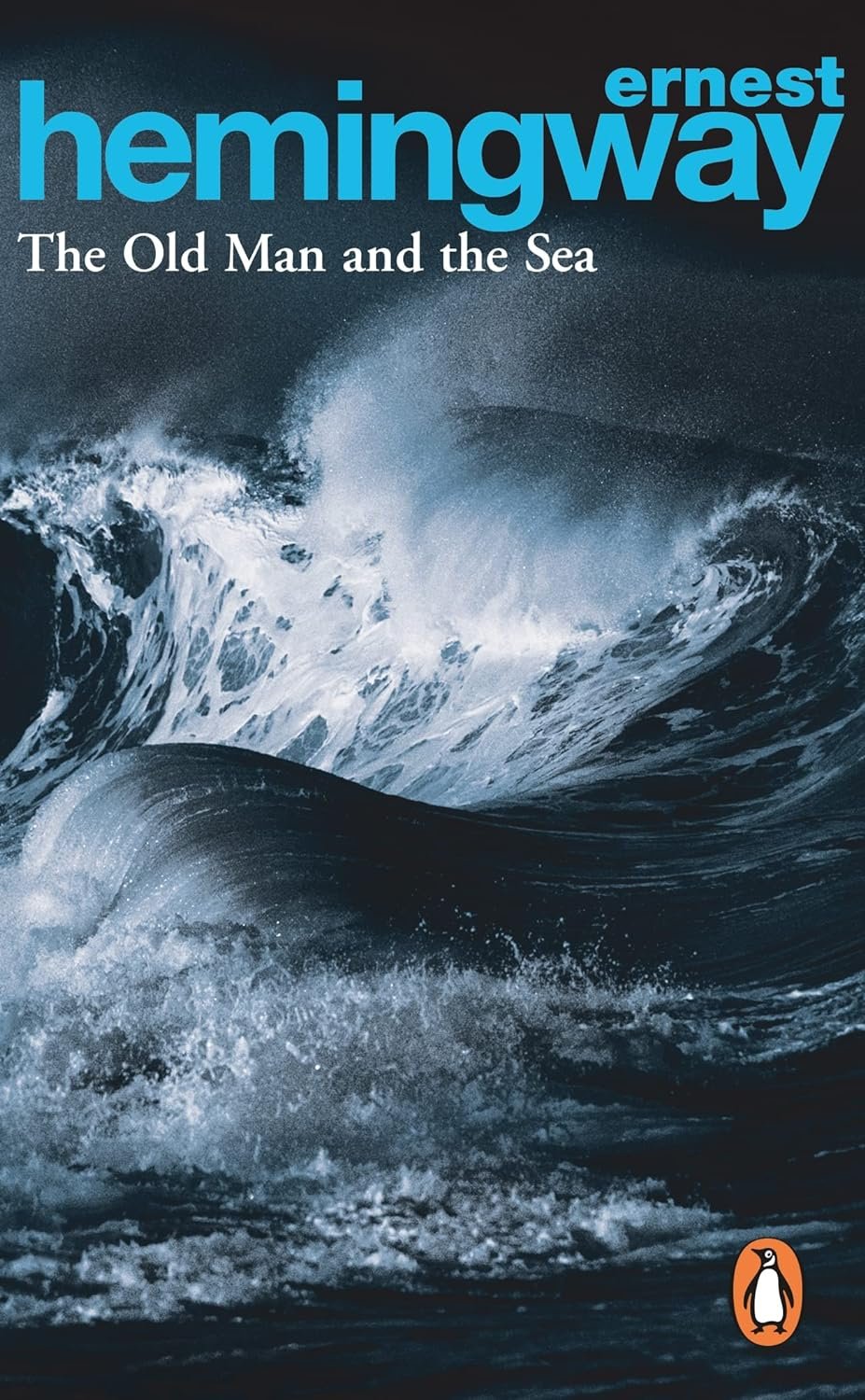
The Old Man And The Sea
"The Old Man and the Sea" is a timeless novella penned by the renowned American author, Ernest Hemingway. Set against the backdrop of the Gulf Stream off the coast of Cuba, the story unfolds with Santiago, an aging Cuban fisherman, engaging in an epic battle with a giant marlin. The novella beautifully captures the essence of the human spirit and the indomitable will to persevere in the face of adversity. Hemingway skillfully weaves a narrative that goes beyond a simple fishing expedition, delving into themes of endurance, courage, and the profound connection between humans and nature. Santiago's solitary journey on the sea becomes a metaphor for life's struggles and the relentless pursuit of personal goals, making "The Old Man and the Sea" a poignant exploration of the human condition.

Midnight Children
Salman Rushdie's "Midnight's Children" stands as a seminal work in contemporary literature, offering a dazzling and multi-layered narrative that intertwines the personal and the political. The novel tells the story of Saleem Sinai, born at the exact moment of India's independence in 1947, and the subsequent events that unfold in his life parallel the tumultuous journey of the newly formed nation. Rushdie employs magical realism to infuse the narrative with a sense of wonder, blending history with fantastical elements. The protagonist's extraordinary connection with the other children born at the same moment imparts a unique and symbolic dimension to the tale, capturing the essence of the nation's collective identity and its post-colonial struggles.