

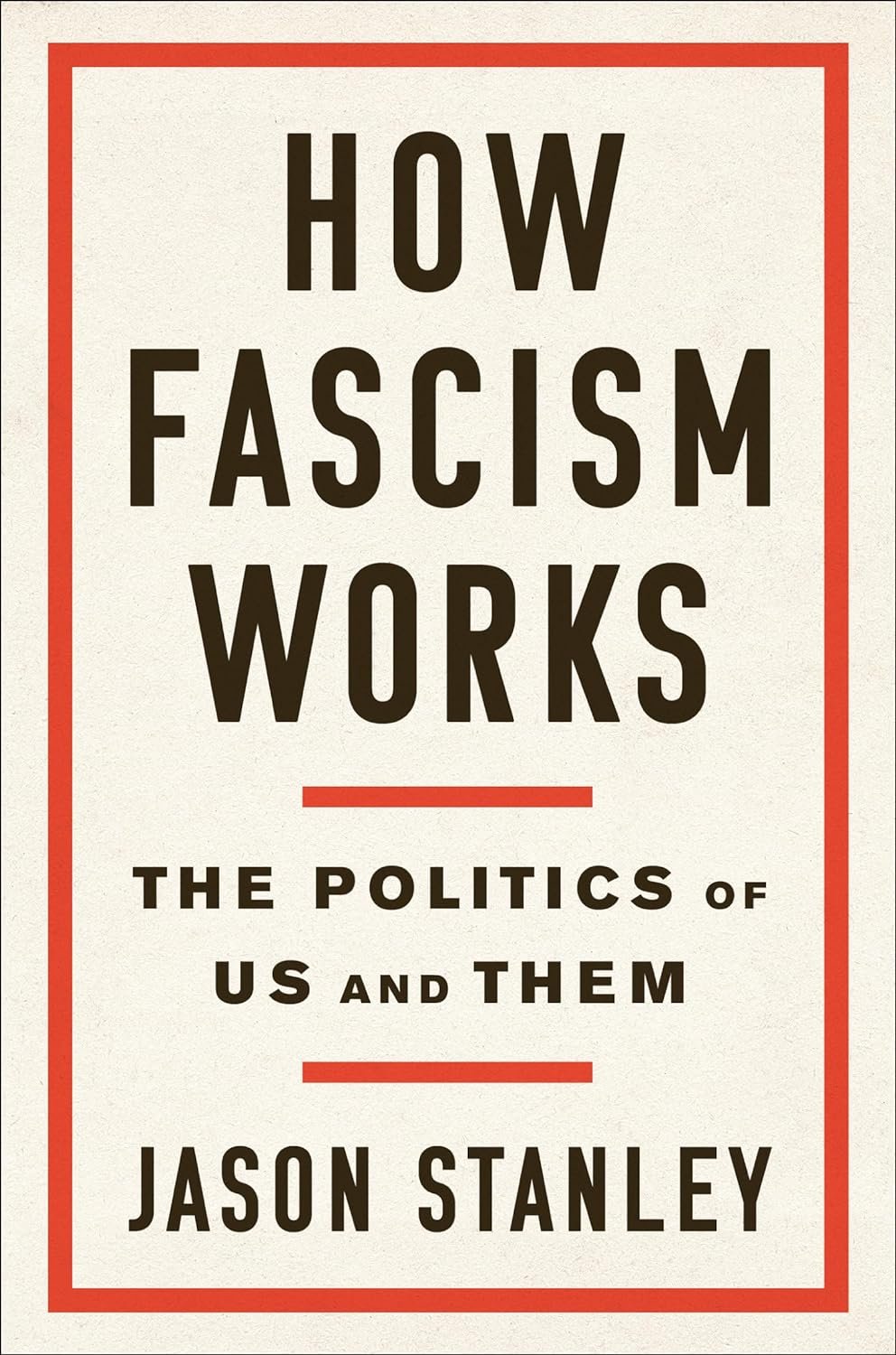
How Fascism Works
In "How Fascism Works: The Politics of Us and Them," Jason Stanley provides a penetrating analysis of the mechanisms and tactics employed by fascist leaders to consolidate power and undermine democratic institutions. Drawing on historical examples and contemporary political developments, Stanley identifies key elements of fascist ideology, such as the cultivation of a mythic past, the use of propaganda, the manipulation of language, and the creation of a divisive "us versus them" narrative. The book serves as a sobering reminder of the fragility of democratic societies and the insidious ways in which fascist ideologies can take root and spread. Stanley's insightful examination encourages readers to critically assess political rhetoric and recognize the warning signs of fascist tendencies in order to safeguard democratic values.
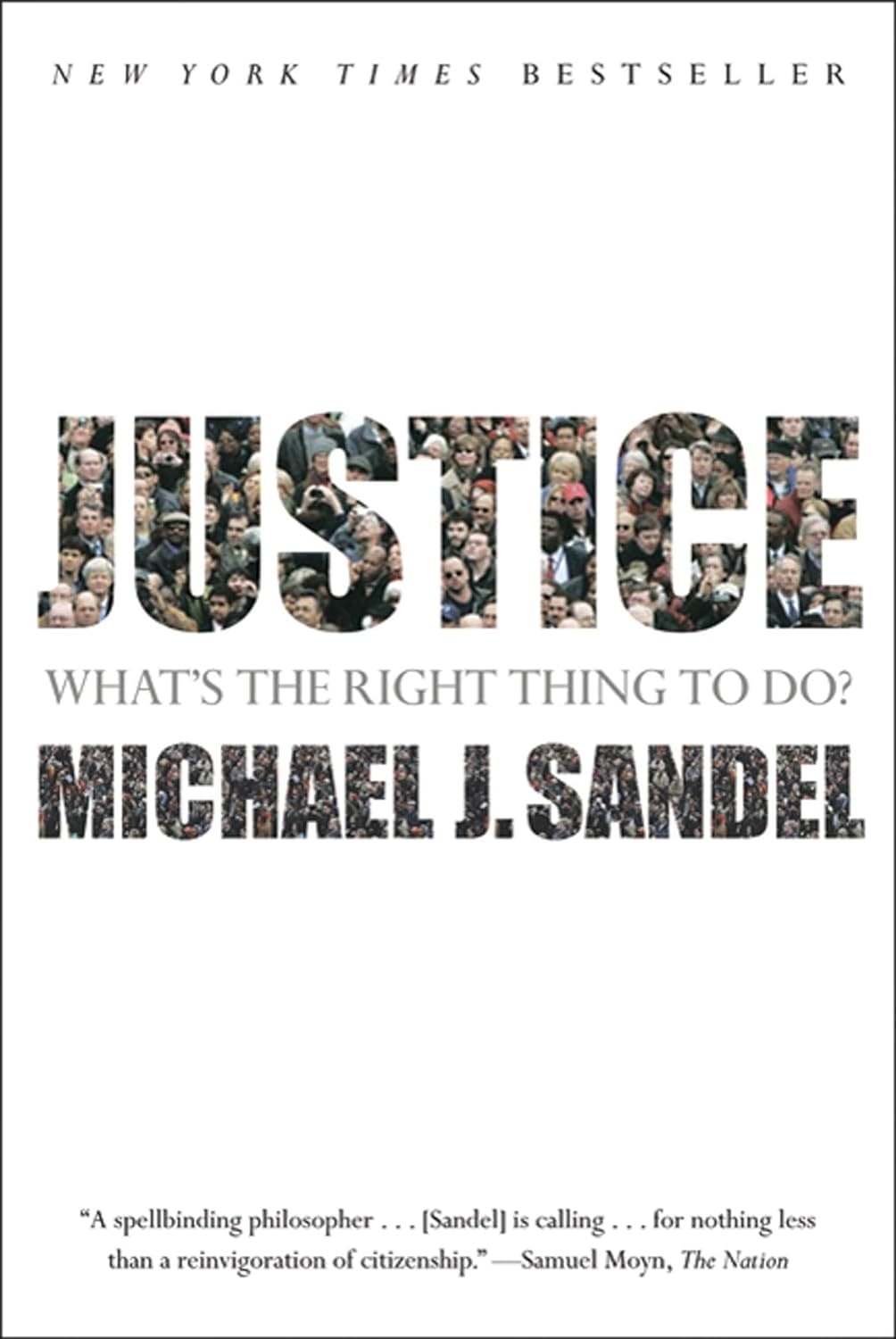
Justice Whats The Right Thing To Do
"Justice: What's the Right Thing to Do?" by Michael J. Sandel is a compelling exploration of ethical principles and moral dilemmas central to the concept of justice. Drawing on classical philosophy, modern political theory, and real-world examples, Sandel encourages readers to engage in critical reflections on fundamental questions surrounding justice, fairness, and the common good. The book is an intellectually stimulating journey that challenges readers to confront the complexities of decision-making in the realm of justice, using accessible language and compelling storytelling. With its focus on applying philosophical concepts to contemporary issues, "Justice" becomes a relevant and engaging guide for anyone interested in ethical reasoning and understanding the principles that shape a just society.
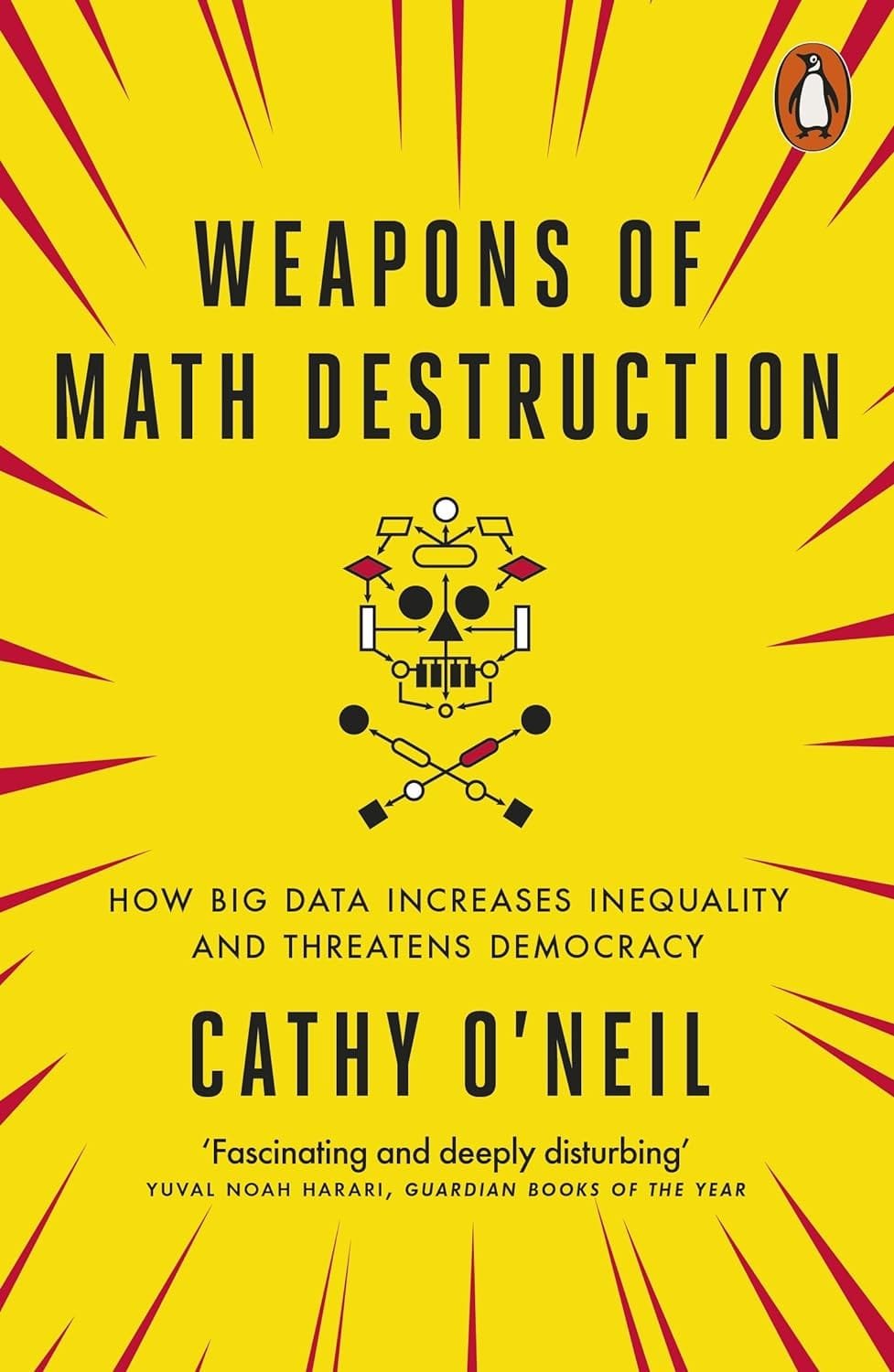
Weapons Of Math Destruction: How Big Data Increases Inequality And Threatens Democracy
"Weapons of Math Destruction: How Big Data Increases Inequality and Threatens Democracy" by Cathy O'Neil is a compelling exploration of the dark side of big data and algorithmic decision-making. O'Neil, a former data scientist, delves into the ways in which mathematical models, when improperly wielded, can reinforce and exacerbate social inequalities. Through insightful examples and real-world cases, she illustrates how algorithms can lead to destructive outcomes, impacting various aspects of society, from education and employment to criminal justice. O'Neil argues that these "weapons of math destruction" are not neutral tools but can embed and perpetuate biases, amplifying existing societal disparities and threatening the principles of fairness and democracy.
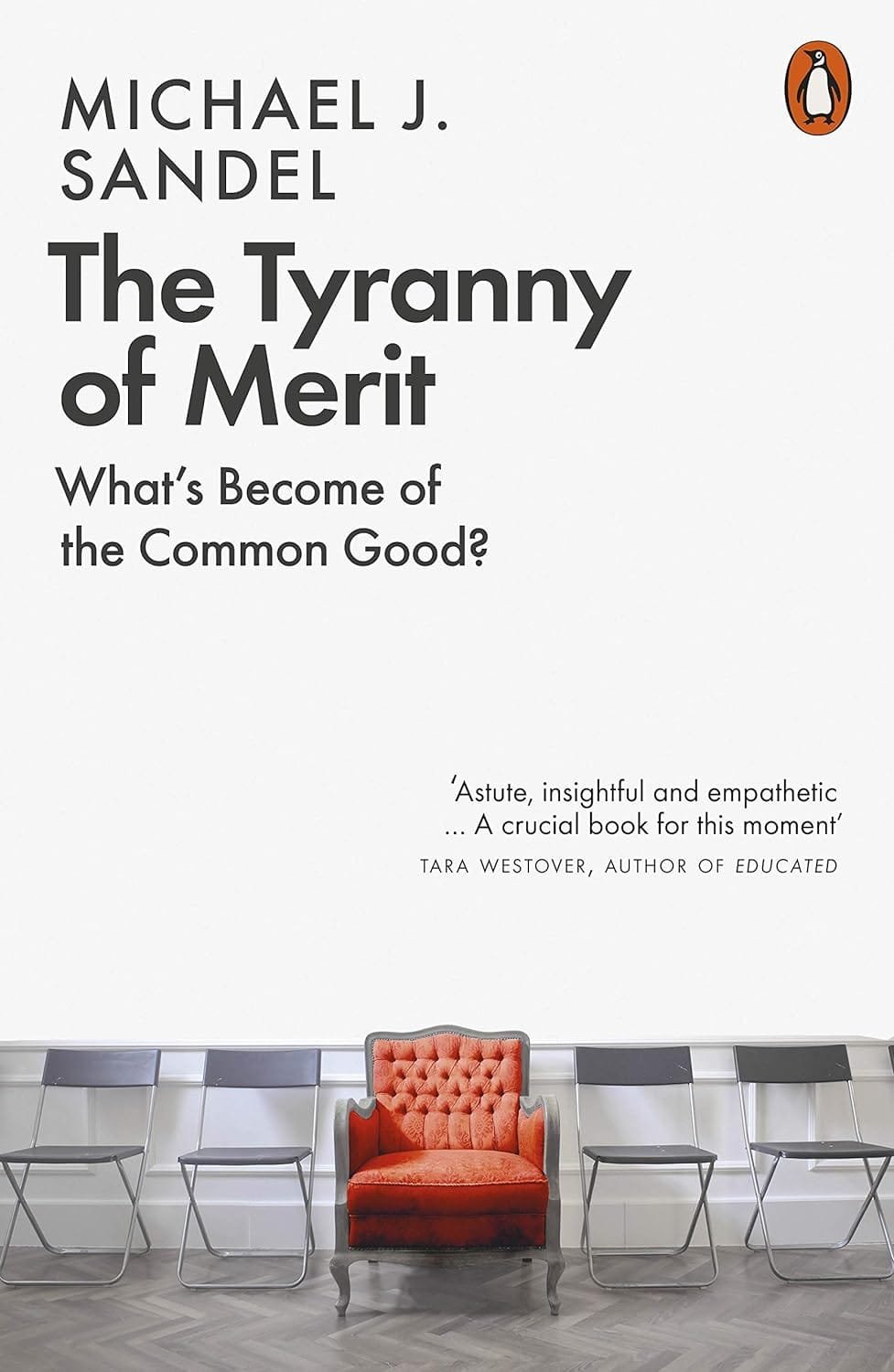
The Tyranny of Merit: What’s Become of the Common Good?
In "The Tyranny of Merit: What's Become of the Common Good," philosopher and political theorist Michael J. Sandel presents a compelling critique of the meritocratic ideals that have come to dominate contemporary societies. Sandel argues that the emphasis on meritocracy, the idea that social and economic rewards should be based on individual talent and effort, has led to a deepening divide between the winners and losers in our societies. The book explores how the rhetoric of meritocracy has contributed to a sense of superiority among the successful and a sense of humiliation among those who feel left behind. Sandel challenges the notion that success is solely a result of individual merit and calls for a reevaluation of our understanding of success, acknowledging the role of luck and social factors in shaping people's life outcomes.

The Prince
"The Prince" by Niccolò Machiavelli is a seminal work of political philosophy that has left an indelible mark on the understanding of power and governance. Written in the early 16th century, Machiavelli's treatise provides a pragmatic and unapologetic analysis of political leadership, presenting a guidebook for rulers on the art of acquiring and maintaining power. The book reflects the turbulent political landscape of Renaissance Italy, and Machiavelli's observations are both shrewd and controversial. Machiavelli dispenses with idealistic notions of rulership, asserting that the ends justify the means. His famous assertion that it is better for a ruler to be feared than loved encapsulates his realpolitik approach, emphasizing the importance of practicality and effectiveness in political maneuvering.
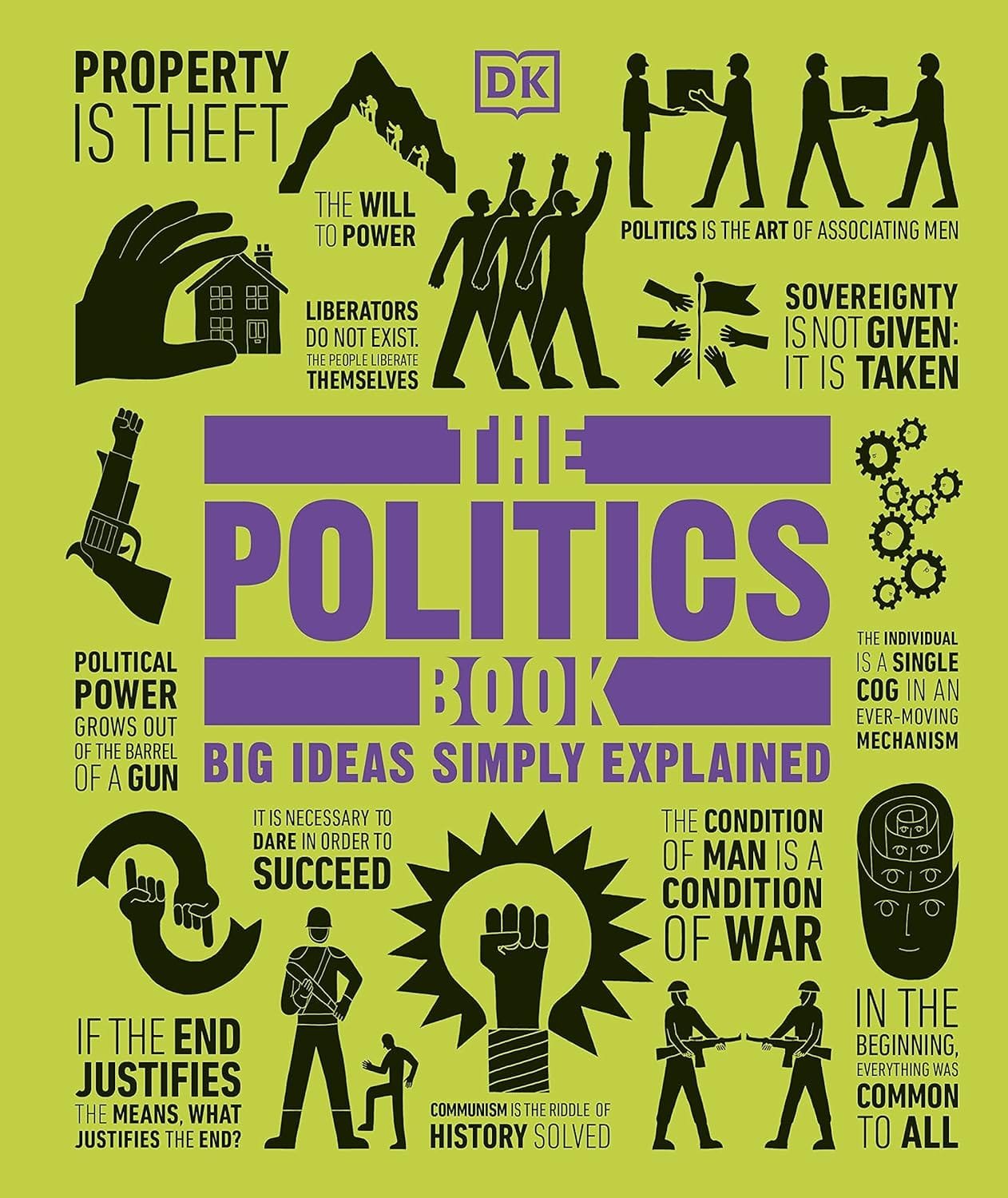
The Politics Book: Big Ideas Simply Explained
"The Politics Book: Big Ideas Simply Explained" by DK is a comprehensive and accessible exploration of the complex world of politics, offering readers an insightful journey through the key ideas, theories, and historical events that have shaped political thought. Part of DK's renowned "Big Ideas Simply Explained" series, this book covers a wide range of political topics, from political philosophy and ideologies to international relations and governance structures. With its visually engaging format, featuring timelines, charts, and illustrations, the book caters to a diverse audience, including students, political enthusiasts, and general readers seeking a deeper understanding of the political landscape.

The Black History Book (Big Ideas): Big Ideas Simply Explained
"The Black History Book (Big Ideas): Big Ideas Simply Explained" by DK is a compelling and comprehensive exploration of the rich tapestry of Black history, presenting key ideas and events that have shaped the African diaspora over centuries. As part of DK's esteemed "Big Ideas Simply Explained" series, this book skillfully distills complex historical narratives into an accessible format, making it an invaluable resource for readers seeking a deeper understanding of the significant contributions, struggles, and triumphs of Black individuals and communities. Covering a wide range of topics, from ancient civilizations to the contemporary challenges and achievements, the book offers a nuanced perspective on the diverse experiences of Black people around the world.

The Crime Book: Big Ideas Simply Explained
"The Crime Book: Big Ideas Simply Explained" by DK is a captivating exploration of the world of crime and criminal justice, offering a comprehensive and accessible guide to the key ideas, cases, and theories that shape this complex field. Through a visually compelling format featuring timelines, illustrations, and concise explanations, the book delves into the history of crime, famous criminal cases, forensic techniques, and the evolution of law enforcement. The book covers a broad spectrum, from notorious historical crimes to contemporary issues in criminal justice, making it an engaging resource for both true crime enthusiasts and those seeking a deeper understanding of criminology.

The Sociology Book: Big Ideas Simply Explained
"The Sociology Book: Big Ideas Simply Explained" by DK is a comprehensive and visually compelling guide that unravels the complexities of sociology, making key sociological concepts accessible to a wide audience. Through a blend of engaging visuals, timelines, and clear explanations, the book takes readers on a journey through the foundational theories, methods, and thinkers that have shaped the discipline. From the classical theories of Karl Marx, Emile Durkheim, and Max Weber to contemporary issues such as globalization and social media, the book covers a diverse range of topics, providing a well-rounded exploration of the sociological landscape.

The Feminism Book: Big Ideas Simply Explained
"The Feminism Book: Big Ideas Simply Explained," a collaboration between DK and environmentalist Tony Juniper, delivers a thought-provoking and visually engaging exploration of feminism's multifaceted landscape. Through a combination of clear narratives, compelling illustrations, and succinct explanations, the book traces the historical evolution of feminist thought, from its early waves to contemporary intersectional perspectives. Tony Juniper's involvement in this project enriches the discussion, bringing a nuanced understanding of how feminism intersects with environmentalism and social justice, emphasizing the interconnected nature of these crucial issues.