

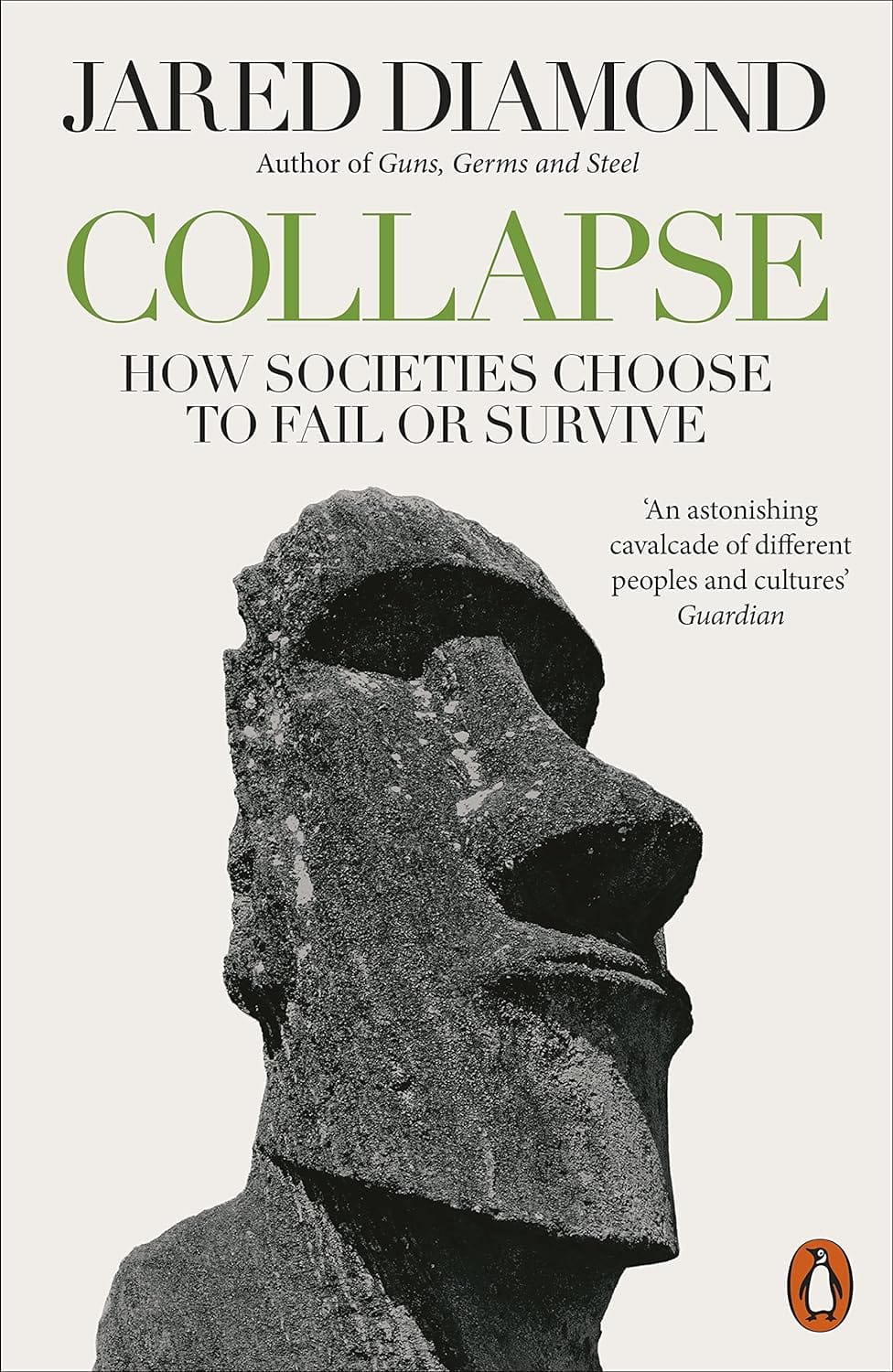
Collapse: How Societies Choose To Fail Or Survive
"Collapse: How Societies Choose to Fail or Survive" by Jared Diamond is a thought-provoking exploration into the reasons behind the collapse of ancient and modern societies throughout history. Diamond examines a range of civilizations, from the Maya and Ancestral Puebloans to the Vikings and modern societies, investigating the factors that led to their downfall or resilience. Through extensive research and analysis, Diamond identifies common patterns and environmental, societal, and political factors that contribute to societal collapses. He argues that a society's response to environmental challenges, such as climate change, deforestation, resource depletion, and societal conflicts, greatly influences its fate.

Black Flags: The Rise Of ISIS
"Black Flags: The Rise of ISIS" by Joby Warrick is a meticulously researched and compelling account that delves into the origins and ascension of the Islamic State of Iraq and Syria (ISIS). Warrick meticulously traces the roots of the group, providing historical context that helps readers understand the complex factors that contributed to its rise. The narrative follows key figures, including Abu Bakr al-Baghdadi, and explores how political, social, and ideological dynamics converged to pave the way for the emergence of ISIS. Warrick skillfully weaves together narratives of individuals, geopolitical events, and the group's strategic decisions, offering a comprehensive analysis of the factors that led to the formation and expansion of one of the most notorious terrorist organizations in recent history.

Hooked: How To Build Habit-Forming Products
"Hooked: How to Build Habit-Forming Products" by Nir Eyal is a pioneering guide that unravels the psychology behind creating products that capture and retain users' attention. Eyal introduces the "Hook Model," a framework designed to help product designers and entrepreneurs understand and leverage the factors that contribute to habit formation. The book explores the four key components of the Hook Model – Trigger, Action, Variable Reward, and Investment – providing a comprehensive blueprint for building products that seamlessly integrate into users' daily lives. Eyal draws on examples from popular apps and services to illustrate how successful companies employ behavioral psychology to create addictive and engaging user experiences. As readers delve into "Hooked," they gain valuable insights into the subtle mechanisms that underlie habit formation and discover practical strategies for designing products that keep users coming back for more.

Skin In The Game
"Skin in the Game" by Nassim Nicholas Taleb is a thought-provoking exploration of the concept that individuals should have a personal stake in the outcomes of their decisions and actions. Taleb, a renowned scholar and risk analyst, challenges prevailing notions about accountability and highlights the importance of aligning personal risks with professional or societal responsibilities. The book delves into various domains, from finance and politics to ethics and everyday decision-making, urging individuals to not only have a say but also to face consequences for their choices. Taleb argues that having "skin in the game" is crucial for creating a robust and ethical society, where decision-makers bear the consequences of their actions, fostering a more accountable and resilient system.

The Challenger Sale: How To Take Control Of The Customer Conversation
"The Challenger Sale: How To Take Control Of The Customer Conversation" by Matthew Dixon and Brent Adamson is a groundbreaking exploration of sales strategy that challenges traditional approaches. The book introduces the concept of the "Challenger" salesperson, someone who is not afraid to push customers out of their comfort zones and challenge their preconceived notions. Dixon and Adamson draw on extensive research to present a compelling framework for effective selling, emphasizing the importance of teaching customers something new and guiding them toward solutions that best fit their needs. The Challenger approach, outlined in the book, provides a fresh perspective on sales by shifting the focus from relationship-building alone to delivering valuable insights and driving constructive discussions that ultimately lead to more successful sales outcomes.

Metahuman: Unleashing Your Infinite Potential
"Metahuman: Unleashing Your Infinite Potential" is a transformative exploration penned by renowned author and spiritual teacher Deepak Chopra. In this enlightening book, Chopra guides readers on a profound journey into the depths of human potential, encouraging them to tap into their inner reservoirs of creativity, wisdom, and consciousness. The narrative delves into the fusion of science and spirituality, challenging conventional beliefs about the limitations of the human experience. Chopra introduces readers to the concept of the "metahuman," a state beyond the ordinary confines of existence, where individuals can access boundless possibilities and reshape their reality. The book serves as a roadmap for personal evolution, offering practical insights, meditation techniques, and philosophical reflections to help individuals unlock their latent potential and achieve a higher state of consciousness.
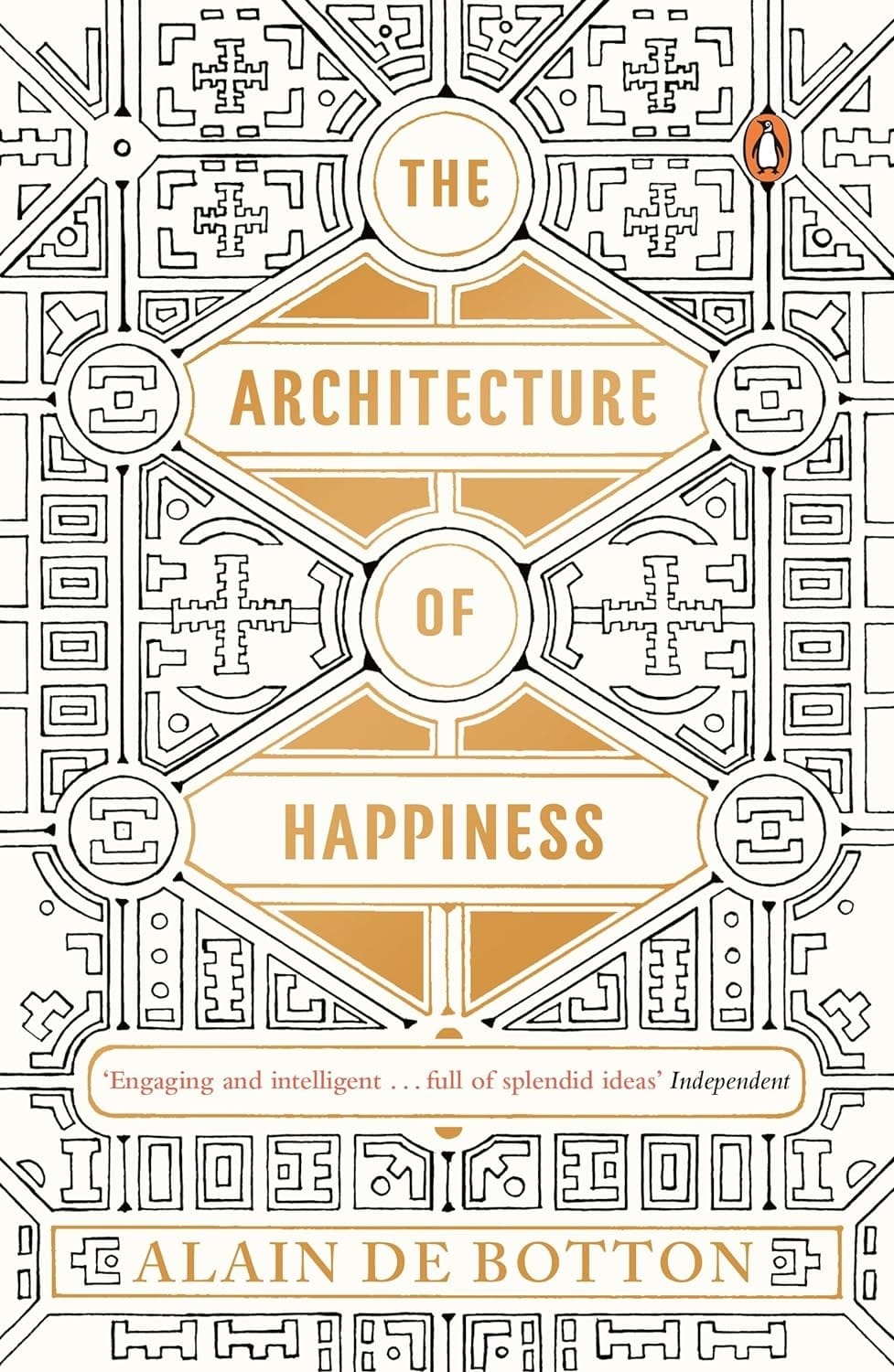
The Architecture Of Happiness
"The Architecture of Happiness" by Alain de Botton is a captivating exploration of the profound connection between our surroundings and our emotional well-being. De Botton, a philosopher and writer, delves into the aesthetics of architecture, revealing how our built environment influences our moods, aspirations, and sense of fulfillment. Through a blend of philosophy, art history, and personal reflections, the book examines the impact of architectural design on human emotions, arguing that well-designed spaces have the power to elevate our spirits and enhance our lives. De Botton suggests that by understanding and appreciating the principles of beauty and harmony in architecture, individuals can cultivate a deeper connection to their surroundings and, in turn, experience a greater sense of happiness and contentment.
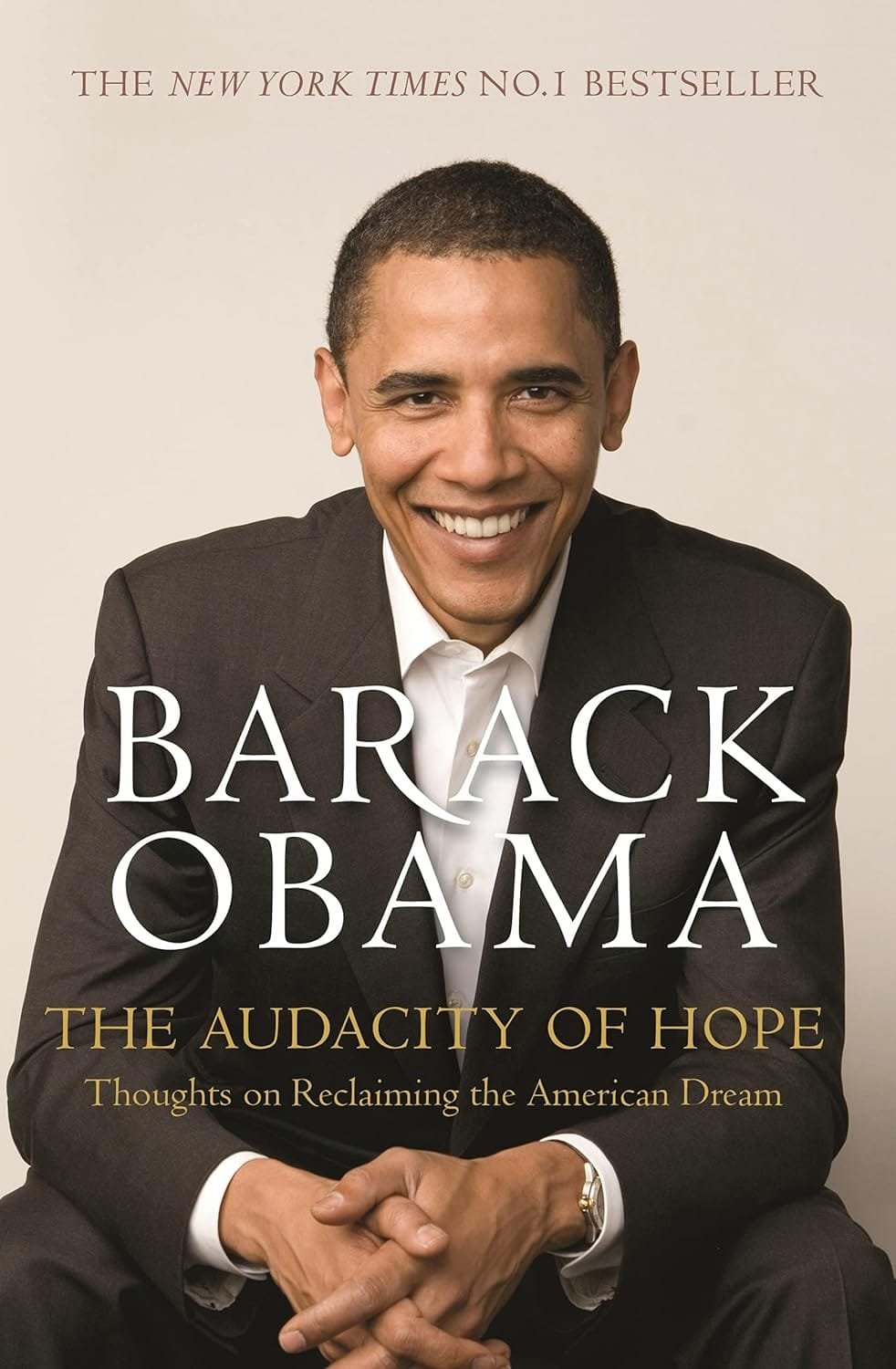
The Audacity Of Hope: Thoughts On Reclaiming The American Dream
"The Audacity of Hope: Thoughts on Reclaiming the American Dream" by Barack Obama is a reflective and visionary exploration of the political landscape, policy challenges, and the potential for positive change in America. Drawing on his experiences as a senator and his unique perspective as a biracial individual, Obama articulates his vision for a more inclusive and united America. The book offers a nuanced understanding of complex issues, from race and religion to foreign policy and economic inequality. Obama's eloquent prose and thoughtful analysis make "The Audacity of Hope" a compelling call to action, urging Americans to engage in the democratic process with optimism, empathy, and a commitment to shared values.

The Brain: The Story Of You
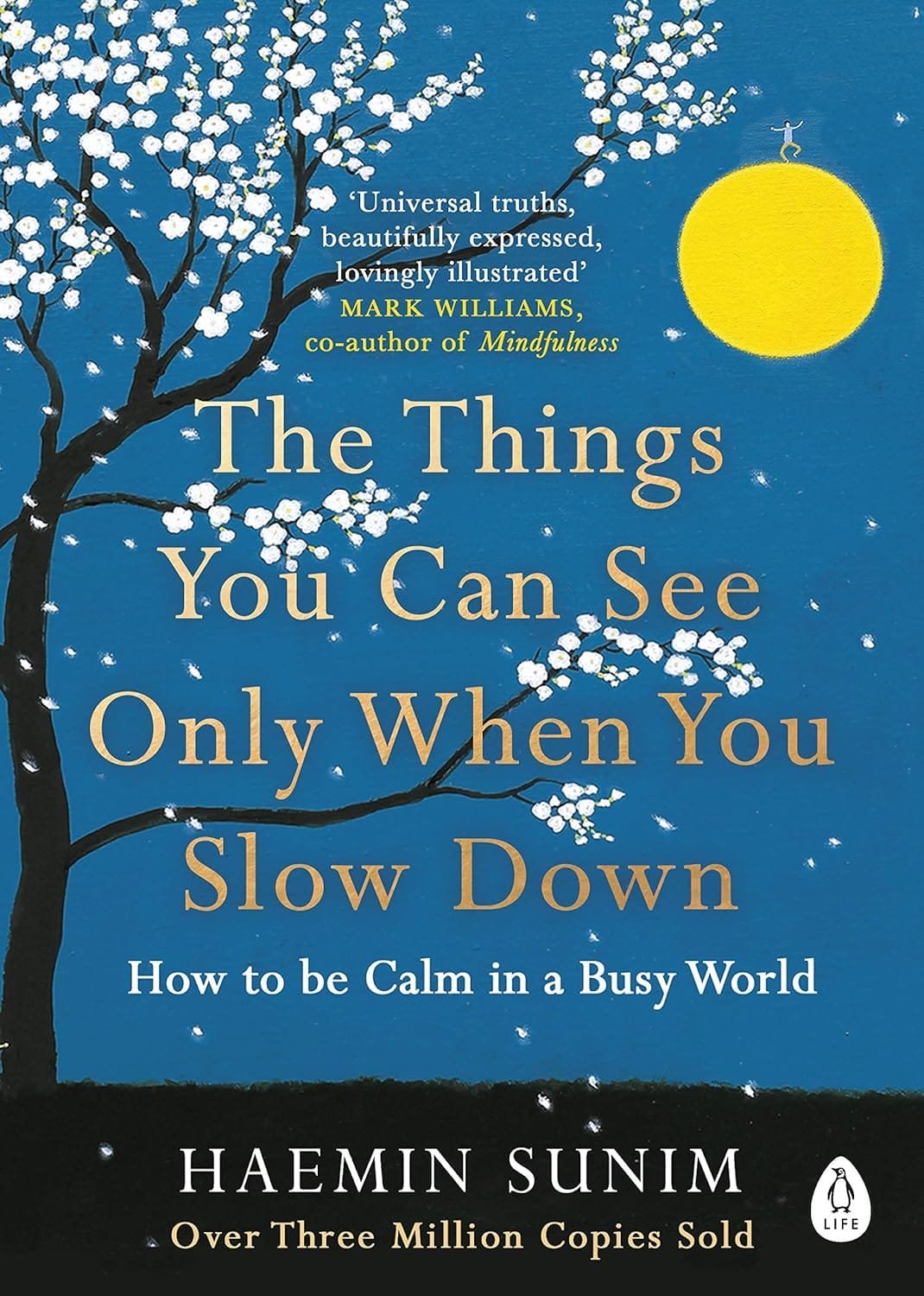
The Things You Can See Only When You Slow Down: How To Be Calm In A Busy World

The Humans
"The Humans" by Matt Haig is a poignant and thought-provoking exploration of what it means to be human, seen through the eyes of an alien visitor. The novel follows an extraterrestrial being who takes on the appearance of a mathematics professor to complete a mission on Earth. As the alien navigates the complexities of human emotions, relationships, and societal norms, the story unfolds with humor, empathy, and profound insights into the human condition. Haig's writing is both witty and compassionate, offering readers a unique perspective on life's absurdities and the beauty inherent in the mundane. Through the lens of an outsider, "The Humans" prompts readers to reconsider the fundamental aspects of humanity, from love and empathy to the simple joys of existence.

ReWork: Change The Way You Work Forever
"ReWork: Change the Way You Work Forever" by Jason Fried and David Heinemeier Hansson is a revolutionary business book that challenges traditional norms and provides a fresh perspective on work, productivity, and entrepreneurship. The authors, co-founders of the software company Basecamp, advocate for a pragmatic and unconventional approach to building and running a successful business. Rejecting the traditional notions of long working hours and extensive planning, "ReWork" encourages entrepreneurs to focus on what truly matters, streamline processes, and prioritize simplicity. The book is a manifesto for a more agile and efficient way of working, emphasizing the importance of action over excessive planning and the value of embracing constraints as a source of creativity.

Midnight In Chernobyl: The Untold Story Of The World’s Greatest Nuclear Disaster
"Midnight in Chernobyl: The Untold Story of the World's Greatest Nuclear Disaster" by Adam Higginbotham is a meticulously researched and riveting account that chronicles the tragic events surrounding the Chernobyl nuclear disaster in 1986. Higginbotham skillfully weaves together a narrative that goes beyond the technical details, delving into the political, social, and human aspects of the catastrophe. The book provides a comprehensive examination of the lead-up to the disaster, the immediate aftermath, and its far-reaching consequences on the people, the environment, and the global perception of nuclear energy. Higginbotham's narrative prowess ensures that the reader is not only educated on the technicalities of the event but also emotionally invested in the human stories that unfolded in the wake of the disaster.

Antifragile: Things That Gain From Disorder
"Antifragile: Things That Gain From Disorder" by Nassim Nicholas Taleb is a thought-provoking exploration of resilience and adaptability in the face of uncertainty and chaos. Taleb introduces the concept of antifragility, which goes beyond mere robustness by suggesting that certain systems, entities, or ideas can thrive and improve when exposed to stress, volatility, and disorder. Drawing on a wide range of examples from economics, biology, philosophy, and history, Taleb challenges the prevailing mindset that seeks stability and predictability. He argues that embracing randomness and disorder is essential for building systems that not only withstand shocks but actually benefit from them. The book is a philosophical journey that encourages readers to rethink their approach to risk, uncertainty, and the inherent complexity of the world.

The Better Angels Of Our Nature: A History Of Violence And Humanity
"The Better Angels of Our Nature: A History of Violence and Humanity" by Steven Pinker is a monumental work that meticulously examines the decline of violence throughout human history. Pinker, a cognitive scientist and linguist, delves into centuries of historical records and data to make a compelling argument that, despite the prevailing perception of increasing violence, humanity has become less prone to engage in violent behavior over time. The book explores the factors and cultural shifts that have contributed to this decline, ranging from the development of organized states and the spread of Enlightenment ideals to the expansion of empathy and the influence of communication technologies. Pinker's interdisciplinary approach, drawing on psychology, sociology, and history, challenges conventional wisdom and invites readers to reconsider their assumptions about the innate nature of humans.

The Basic Laws Of Human Stupidity: The International Bestseller
"The Basic Laws of Human Stupidity" by Carlo M. Cipolla is a concise yet thought-provoking exploration of human behavior and decision-making, particularly focusing on the concept of stupidity. Originally an essay, the book has gained international acclaim for its insightful and humorous take on the irrational actions and choices people make. Cipolla introduces a simple yet powerful classification system that categorizes individuals into four groups: the helpless, the intelligent, the bandit, and the stupid. Through witty anecdotes and clever analysis, Cipolla explores the impact of stupidity on various aspects of society, from personal relationships to politics and economics. The book challenges readers to reflect on their own behaviors and the behaviors of those around them, offering a lens through which to understand the often perplexing dynamics of human interaction.

Neuromancer
"Neuromancer" by William Gibson is a groundbreaking and iconic science fiction novel that significantly influenced the cyberpunk genre. Published in 1984, Gibson's work is a visionary exploration of a dystopian future where advanced technology and cyberspace play central roles in society. The story follows Case, a washed-up computer hacker hired by mysterious employers for a final job that takes him into the virtual realm. Gibson introduces readers to a gritty and immersive world where artificial intelligence, hacking, and corporate espionage converge. The novel's vivid and evocative prose, combined with its intricate plot and imaginative world-building, has left an indelible mark on the science fiction genre.

Sam Walton: Made In America
"Sam Walton: Made in America" is an insightful autobiography that provides a firsthand account of the life and business philosophy of one of the most influential entrepreneurs of the 20th century. Sam Walton, the founder of Walmart, shares his remarkable journey from a modest background to building a retail empire that would revolutionize the way Americans shop. Co-authored with journalist John Huey, the book offers a candid and engaging narrative that not only chronicles the growth of Walmart but also delves into Walton's principles of business, leadership, and the relentless pursuit of customer satisfaction. Through anecdotes and lessons learned from both successes and failures, Walton imparts valuable insights into the entrepreneurial spirit and the principles that guided him in creating a retail giant.
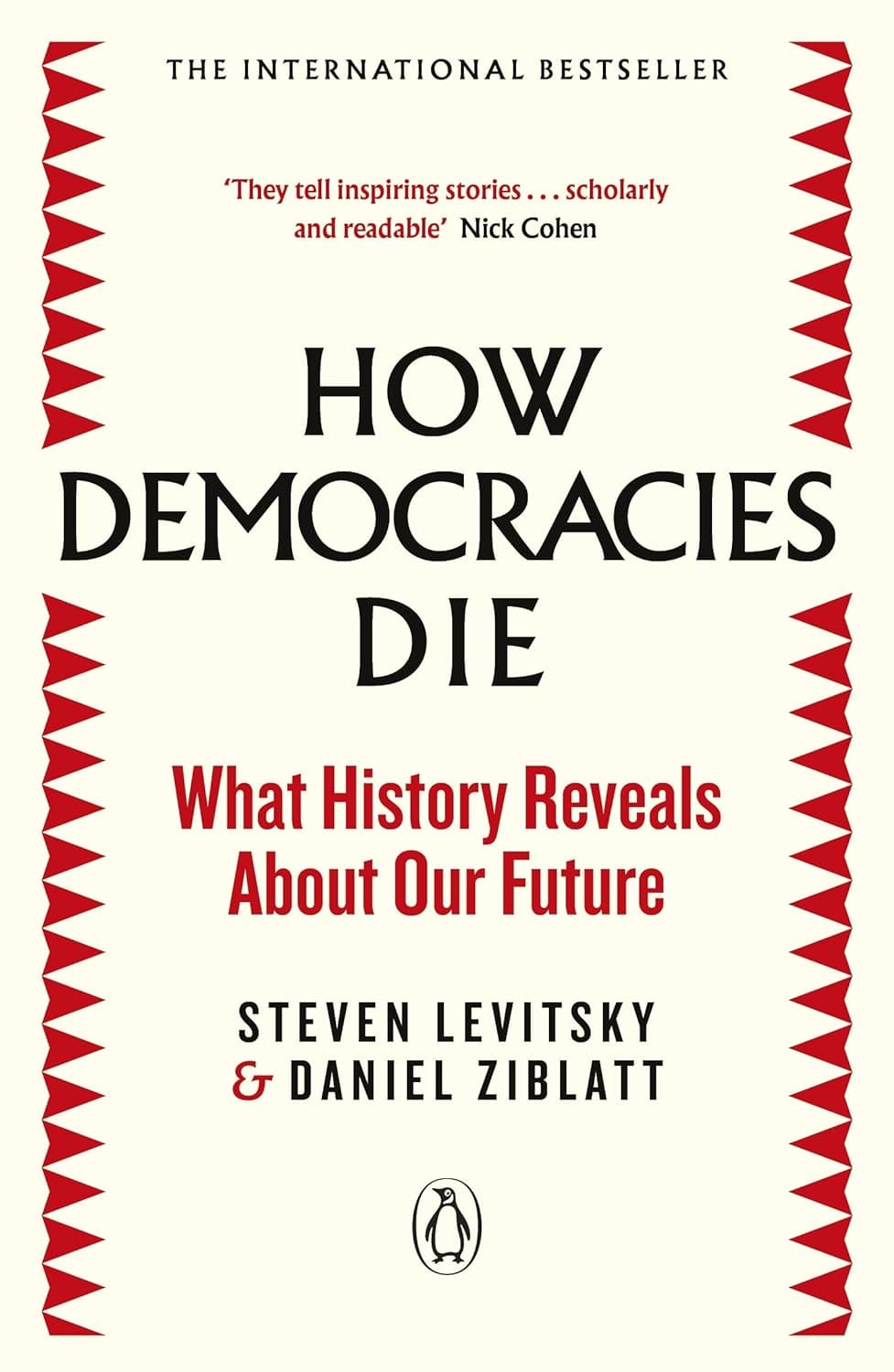
How Democracies Die
"How Democracies Die" by Steven Levitsky and Daniel Ziblatt is a thought-provoking exploration of the factors that contribute to the decline of democratic systems. The authors, both political scientists, draw on historical and contemporary examples to analyze the erosion of democratic norms and institutions. Levitsky and Ziblatt argue that democracies are more likely to fail from within, as opposed to external threats, and they identify warning signs and patterns that indicate a weakening of democratic principles. Through insightful case studies, the book examines the role of political elites, the media, and the general public in either preserving or undermining democratic norms. The authors make a compelling case for the importance of institutional safeguards and bipartisan commitment to democratic values to ensure the survival and health of democratic governance.
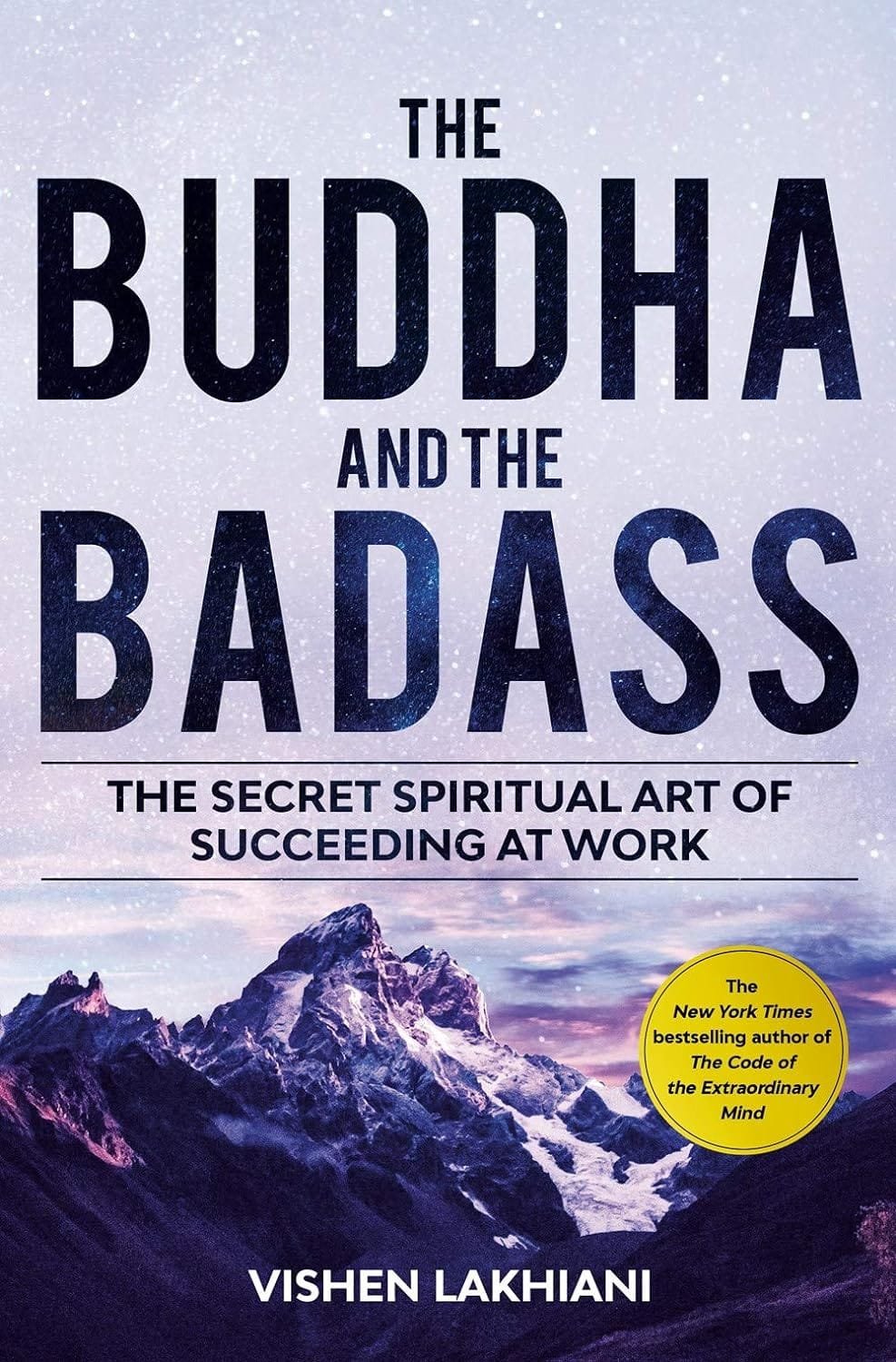
The Buddha And The Badass : The Secret Spiritual Art Of Succeeding At Work
"The Buddha and the Badass: The Secret Spiritual Art of Succeeding at Work" by Vishen Lakhiani is a unique and compelling guide that bridges the gap between spirituality and professional success. Lakhiani, the founder of Mindvalley, combines his experiences in entrepreneurship with spiritual insights to present a holistic approach to achieving fulfillment in the workplace. The book challenges conventional notions of success, encouraging readers to integrate mindfulness, purpose, and personal growth into their professional lives. Lakhiani introduces concepts like "Brules" (Bullshit Rules) that hinder personal and professional progress, urging individuals to break free from societal expectations and create a work environment that aligns with their authentic selves.
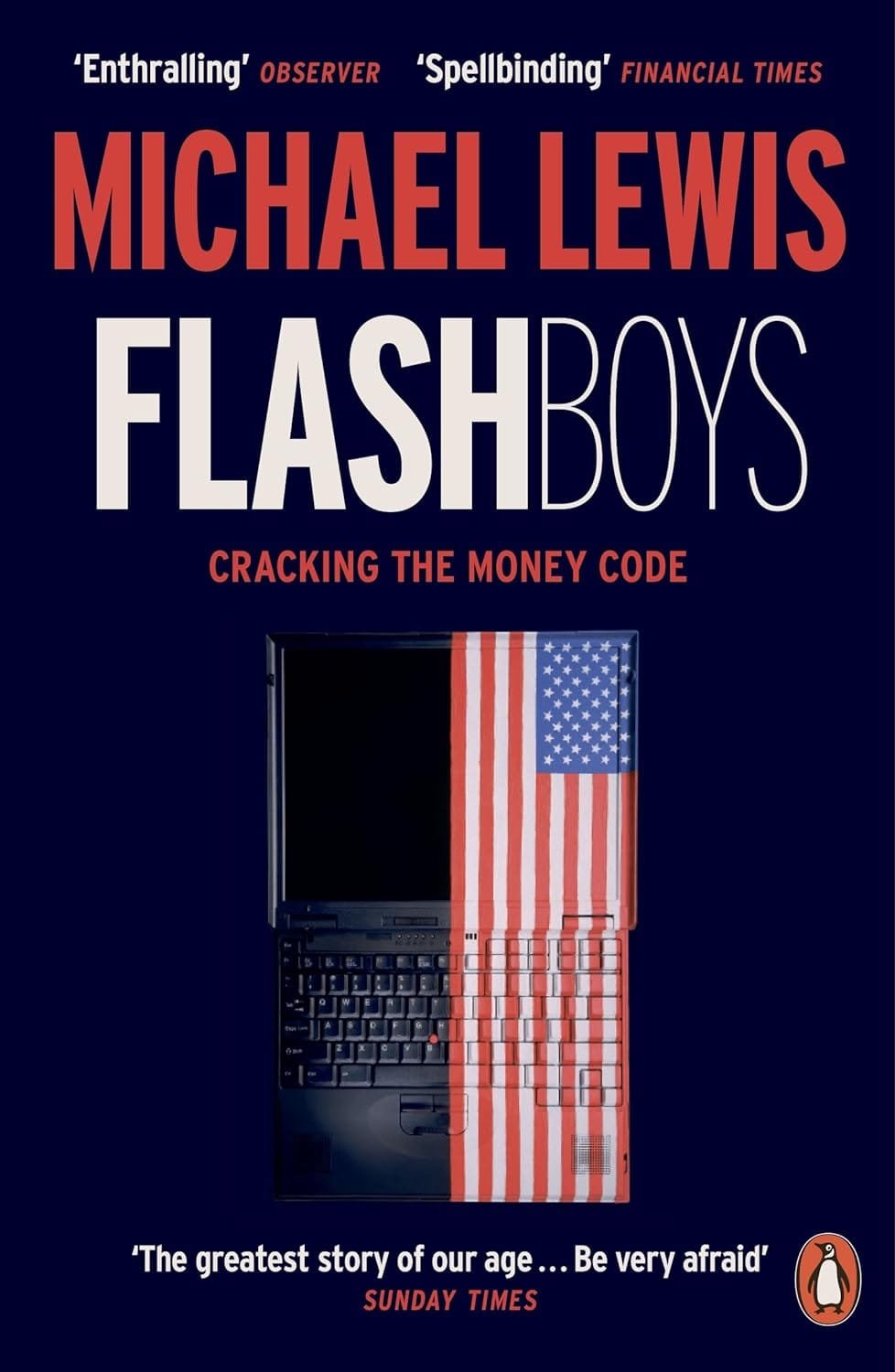
Flash Boys
"Flash Boys: A Wall Street Revolt" by Michael Lewis is a riveting exposé that sheds light on the secretive and high-stakes world of high-frequency trading (HFT) in the U.S. stock market. Lewis, known for his captivating storytelling and in-depth investigative journalism, unravels the complexities of HFT and its impact on financial markets. The book follows the journey of a group of Wall Street outsiders, led by Brad Katsuyama, who set out to expose the unfair advantages enjoyed by high-frequency traders and level the playing field for investors. Lewis skillfully demystifies the technological arms race and intricate algorithms employed by these traders, revealing the hidden risks and consequences for the broader financial system.

This Changes Everything: Capitalism Vs. The Climate
"This Changes Everything: Capitalism vs. The Climate" by Naomi Klein is a compelling and urgent exploration of the intricate relationship between capitalism and climate change. Klein contends that the roots of the climate crisis lie in the economic and political structures of capitalism, and she makes a powerful argument for reimagining and transforming our economic systems to address the impending environmental catastrophe. The book critiques the prevailing approach of market-driven solutions and emphasizes the need for a comprehensive shift in societal values and policies to effectively combat climate change. Klein's narrative weaves together environmental science, economic analysis, and social justice considerations, providing a comprehensive perspective on the challenges and opportunities presented by the climate crisis.

The Infinite Game: From The Bestselling Author Of Start With Why
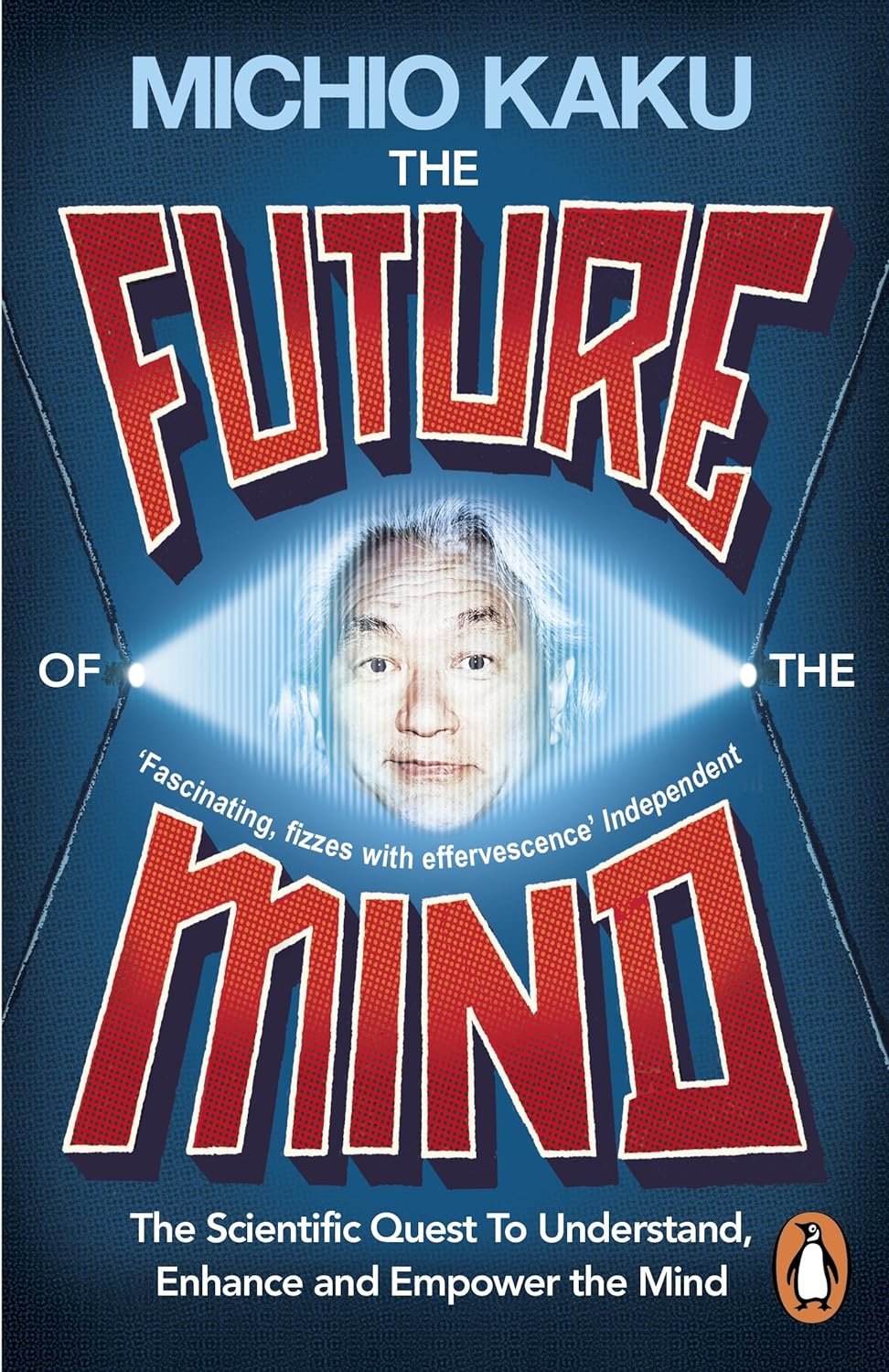
The Future Of The Mind: The Scientific Quest To Understand, Enhance And Empower The Mind

Leadership And Self-Deception
"Leadership and Self-Deception" by The Arbinger Institute is a thought-provoking exploration of the profound impact that self-deception can have on leadership effectiveness. Through a compelling narrative, the book introduces the concept of being "in the box," where individuals are trapped by their own self-deceptive thoughts and attitudes. The central thesis is that leaders who fail to recognize and address their own self-deception often perpetuate destructive patterns of behavior, hindering both personal and organizational success. The narrative unfolds as a dialogue, following the journey of a newly appointed executive as they grapple with the transformative power of self-awareness and a shift in mindset.
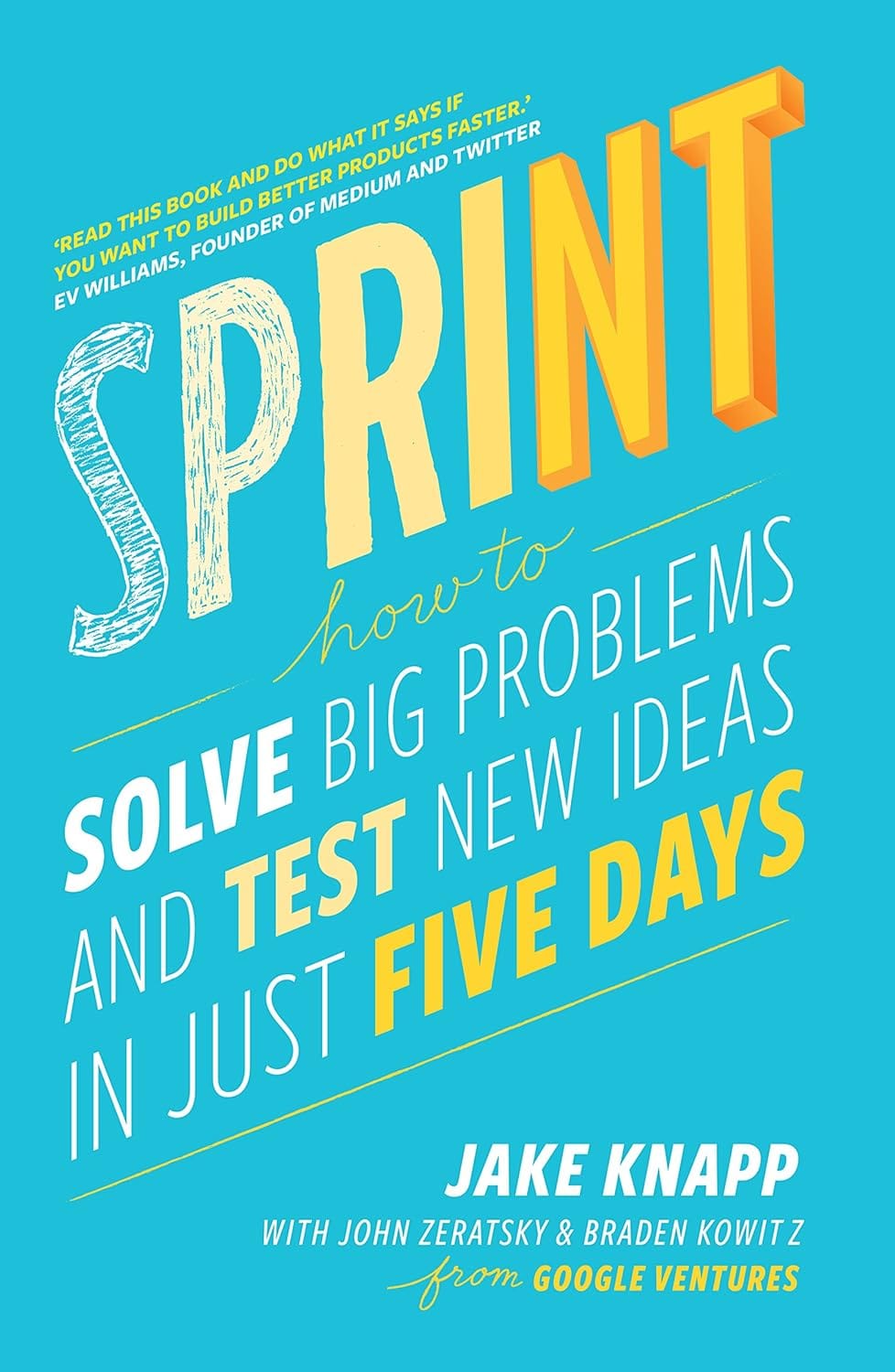
SPrint: How To Solve Big Problems And Test New Ideas In Just Five Days
"Sprint: How to Solve Big Problems and Test New Ideas in Just Five Days" by Jake Knapp, John Zeratsky, and Braden Kowitz is a revolutionary guide that offers a systematic approach to problem-solving and idea testing within a compressed timeframe. The authors introduce the concept of the "design sprint," a structured process that condenses months of work into just five days. Drawing on their experiences at Google Ventures, the book provides a step-by-step blueprint for teams to efficiently tackle complex challenges, prototype ideas, and gather valuable feedback in a short span of time.

The Elegant Universe

How The Mighty Fall: And Why Some Companies Never Give In
"How the Mighty Fall: And Why Some Companies Never Give In" is a compelling exploration into the stages of decline that successful companies may face and the key factors that contribute to their downfall. Authored by Jim Collins, known for his seminal work "Good to Great," this book, published in 2009, offers valuable insights based on extensive research into corporate failures. Collins outlines a five-stage model of decline, from the first signs of hubris and denial to the eventual stage of irrelevance and death. The book provides a sobering analysis of the warning signs that organizations may overlook and the crucial steps needed to reverse their decline.

Dune (Movie Tie-In): 1
"Dune," a science fiction masterpiece written by Frank Herbert, has left an indelible mark on the genre since its first publication in 1965. The novel, set in a distant future amidst interstellar politics and intrigue, weaves a complex narrative that explores themes of power, religion, and environmentalism. The intricate plot revolves around the desert planet Arrakis, the only source of the valuable spice melange, and follows the journey of young Paul Atreides as he grapples with his destiny and the complex forces vying for control. The "Dune (Movie Tie-In): 1" edition refers to the book reissued with cover art and promotional materials related to film adaptations. The novel's enduring popularity has been further fueled by the release of cinematic adaptations, the most recent being directed by Denis Villeneuve. The tie-in edition not only caters to long-time fans but also introduces a new generation to the rich and immersive universe crafted by Herbert.

Losing My Virginity
"Losing My Virginity" is an autobiography by Sir Richard Branson, the British entrepreneur and founder of the Virgin Group. Published in 1998, the book provides a candid and exhilarating account of Branson's life, chronicling his journey from a budding entrepreneur with Student magazine to the creation and expansion of the Virgin brand into various industries, including music, airlines, and telecommunications. Branson's writing style is characterized by his trademark wit and adventurous spirit, allowing readers to vicariously experience the challenges and triumphs of his remarkable career.