


The Brain: The Story Of You

The Power Of Habit: Why We Do What We Do, And How To Change
"The Power of Habit: Why We Do What We Do, and How to Change" by Charles Duhigg is a transformative exploration into the science of habit formation and the potential for personal and societal change. Duhigg, a Pulitzer Prize-winning journalist, delves into the neurology, psychology, and sociology behind habits, unraveling the mechanics of routine behaviors and their impact on individual lives and organizational structures. The book not only elucidates the mechanisms of habit loops but also offers practical insights into how habits can be modified or replaced. Duhigg combines scientific research, engaging narratives, and real-world examples to illustrate the power of habits in shaping personal and collective destinies. By examining success stories and failures, he provides readers with a roadmap for harnessing the power of habits to achieve positive transformations.

The Better Angels Of Our Nature: A History Of Violence And Humanity
"The Better Angels of Our Nature: A History of Violence and Humanity" by Steven Pinker is a monumental work that meticulously examines the decline of violence throughout human history. Pinker, a cognitive scientist and linguist, delves into centuries of historical records and data to make a compelling argument that, despite the prevailing perception of increasing violence, humanity has become less prone to engage in violent behavior over time. The book explores the factors and cultural shifts that have contributed to this decline, ranging from the development of organized states and the spread of Enlightenment ideals to the expansion of empathy and the influence of communication technologies. Pinker's interdisciplinary approach, drawing on psychology, sociology, and history, challenges conventional wisdom and invites readers to reconsider their assumptions about the innate nature of humans.

A Briefer History Of Time
"A Briefer History of Time" by Stephen Hawking and Leonard Mlodinow is a condensed and accessible version of Hawking's groundbreaking work, "A Brief History of Time." This revised edition aims to make the complex concepts of cosmology, quantum mechanics, and the nature of the universe more digestible for a broader audience. In this book, the authors skillfully distill complex scientific ideas into layman's terms, providing readers with a captivating journey through the fundamental principles that govern the cosmos. From the origins of the universe to the nature of black holes, the book covers a wide range of topics in a manner that is both informative and engaging. Hawking and Mlodinow's collaboration succeeds in making complex scientific concepts accessible to readers who may not have a background in physics, allowing a broader audience to grasp the profound questions about the nature of time, space, and existence.
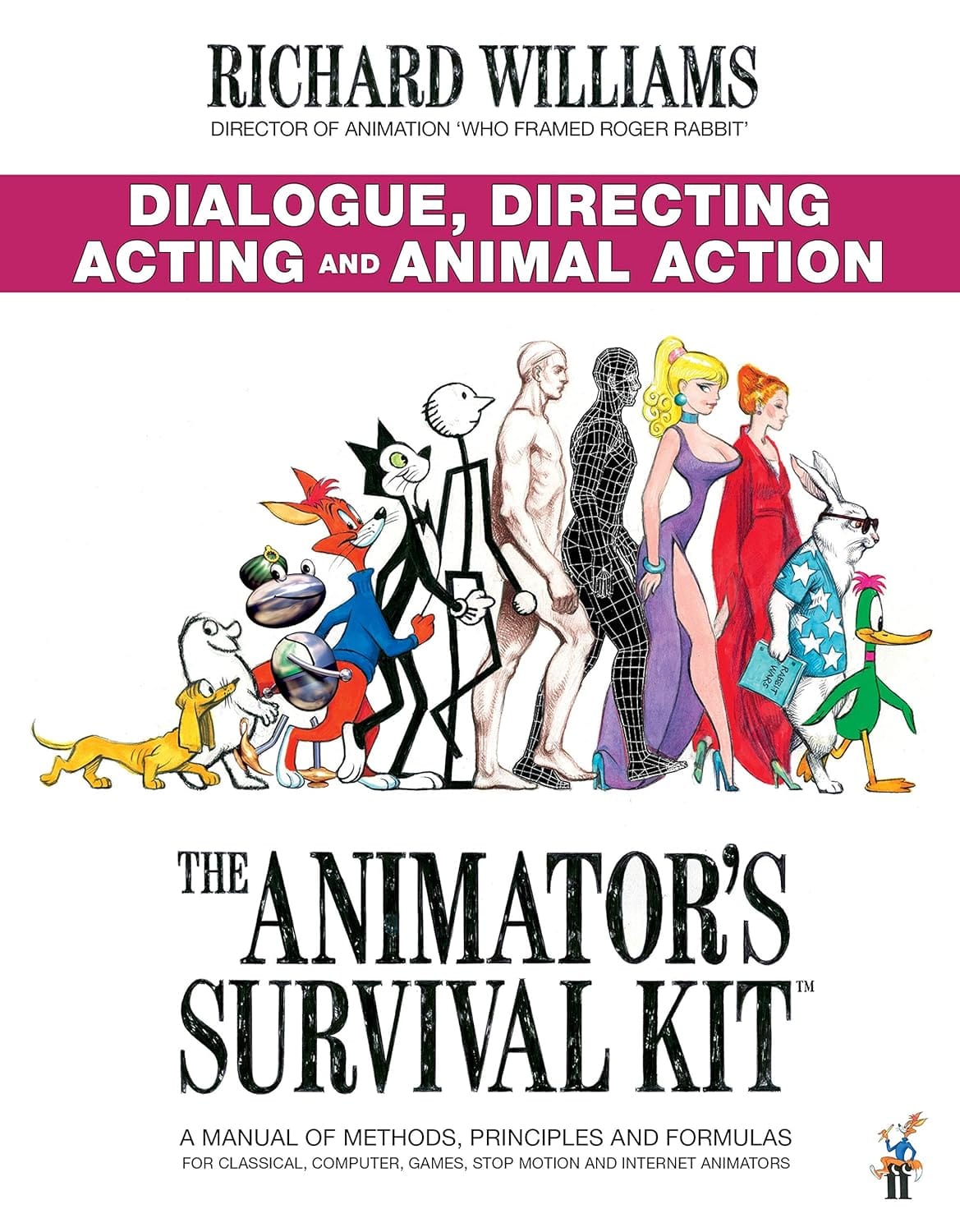
The Animator’s Survival Kit: Dialogue, Directing, Acting And Animal Action:
"The Animator's Survival Kit: Dialogue, Directing, Acting, and Animal Action" by Richard Williams is an indispensable resource for animators seeking to enhance their skills and understanding of the art form. Building upon his acclaimed "Animator's Survival Kit," which focused on the principles of animation, this extended edition delves into the intricacies of dialogue, directing, acting, and animating animals. Williams, a renowned animator and director, provides invaluable insights garnered from his extensive experience in the animation industry. The book is structured as a comprehensive guide, offering practical advice, illustrative examples, and hands-on exercises to help animators master the nuanced aspects of character animation. With a keen emphasis on storytelling and bringing characters to life, Williams equips animators with the tools needed to infuse emotion and personality into their creations, making it an essential reference for both beginners and seasoned professionals.
How Democracies Die
"How Democracies Die" by Steven Levitsky and Daniel Ziblatt is a thought-provoking exploration of the factors that contribute to the decline of democratic systems. The authors, both political scientists, draw on historical and contemporary examples to analyze the erosion of democratic norms and institutions. Levitsky and Ziblatt argue that democracies are more likely to fail from within, as opposed to external threats, and they identify warning signs and patterns that indicate a weakening of democratic principles. Through insightful case studies, the book examines the role of political elites, the media, and the general public in either preserving or undermining democratic norms. The authors make a compelling case for the importance of institutional safeguards and bipartisan commitment to democratic values to ensure the survival and health of democratic governance.
The Future Of The Mind: The Scientific Quest To Understand, Enhance And Empower The Mind

Fooled By Randomness
Nassim Nicholas Taleb's "Fooled by Randomness" is a thought-provoking exploration of the role randomness plays in our lives, particularly in the context of financial markets and decision-making. Taleb, a former options trader and risk analyst, challenges the conventional wisdom that often attributes success or failure solely to skill or incompetence. The book delves into the psychological and cognitive biases that lead individuals to misinterpret random events as patterns, leading to misguided attributions of cause and effect. Taleb's narrative is both philosophical and practical, urging readers to embrace uncertainty and recognize the inherent unpredictability of life.

Manufacturing Consent: The Political Economy Of The Mass Media
"Manufacturing Consent: The Political Economy of the Mass Media," co-authored by Edward S. Herman and Noam Chomsky, stands as a seminal work that critically examines the role of mass media in shaping public opinion and maintaining the status quo. Published in 1988, the book introduces the "propaganda model," asserting that media outlets, despite claims of objectivity, serve the interests of powerful elites and the political and economic establishment. Chomsky and Herman argue that corporate ownership, advertising revenue, and reliance on official sources contribute to a system where media functions as a tool for manufacturing consent, promoting narratives that align with the interests of those in power.

The Elegant Universe

How The Mighty Fall: And Why Some Companies Never Give In
"How the Mighty Fall: And Why Some Companies Never Give In" is a compelling exploration into the stages of decline that successful companies may face and the key factors that contribute to their downfall. Authored by Jim Collins, known for his seminal work "Good to Great," this book, published in 2009, offers valuable insights based on extensive research into corporate failures. Collins outlines a five-stage model of decline, from the first signs of hubris and denial to the eventual stage of irrelevance and death. The book provides a sobering analysis of the warning signs that organizations may overlook and the crucial steps needed to reverse their decline.

The Hidden Reality: Parallel Universes And The Deep Laws Of The Cosmos
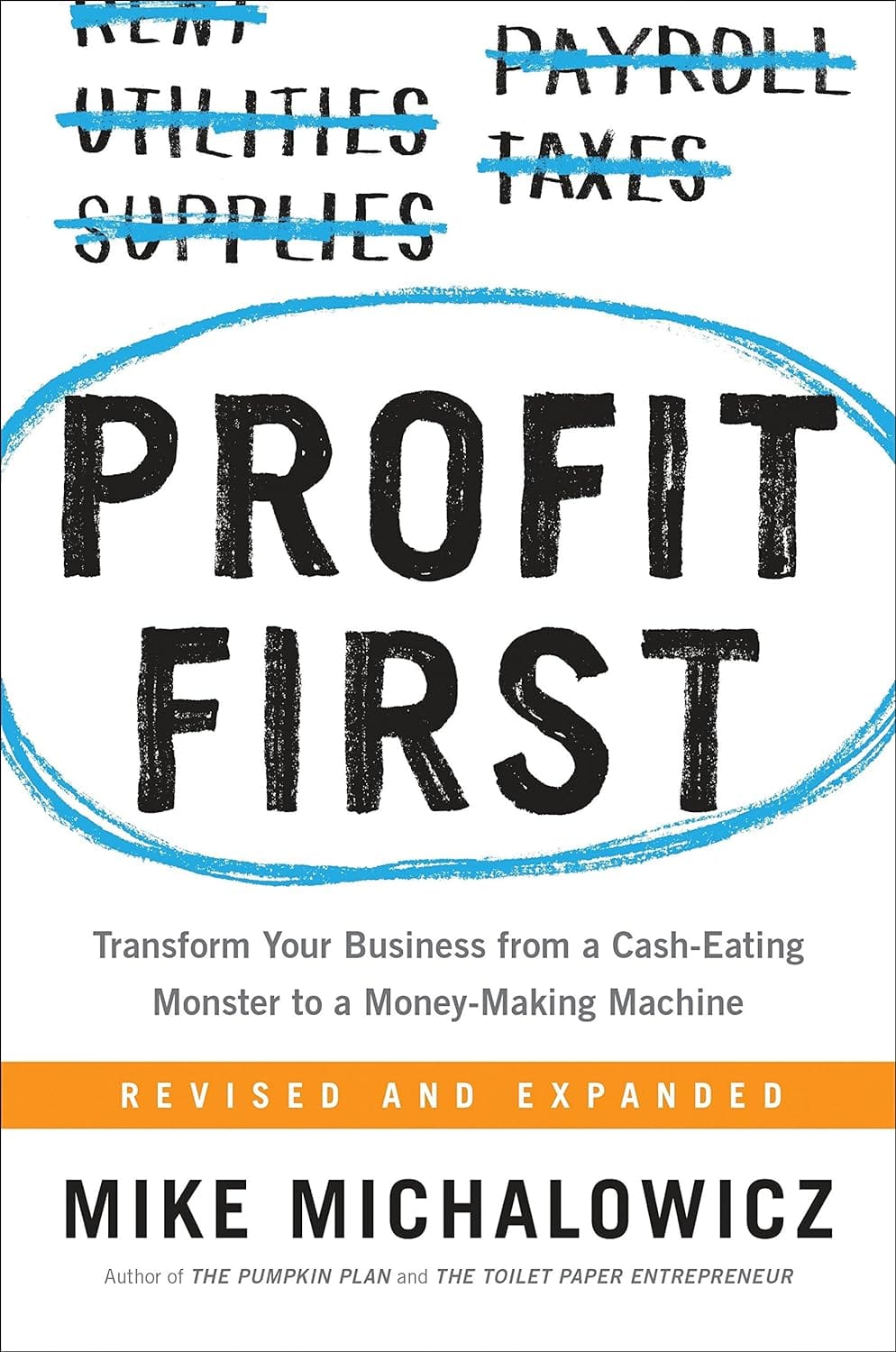
Profit First: Transform Your Business From A Cash-Eating Monster To A Money-Making Machine
"Profit First" by Mike Michalowicz revolutionizes traditional financial management practices by presenting a unique and practical approach to transforming businesses into profitable ventures. Michalowicz introduces a simple yet powerful system that prioritizes profit at the core of financial decision-making. The central concept involves allocating profit first, before addressing expenses, taxes, and other financial obligations. Through real-life examples and actionable steps, Michalowicz guides entrepreneurs on how to implement the Profit First method, emphasizing the importance of discipline and intentional allocation of funds to ensure sustained profitability. This book not only provides a blueprint for financial success but also challenges conventional notions about business finance, offering a refreshing perspective that resonates with business owners and aspiring entrepreneurs alike.
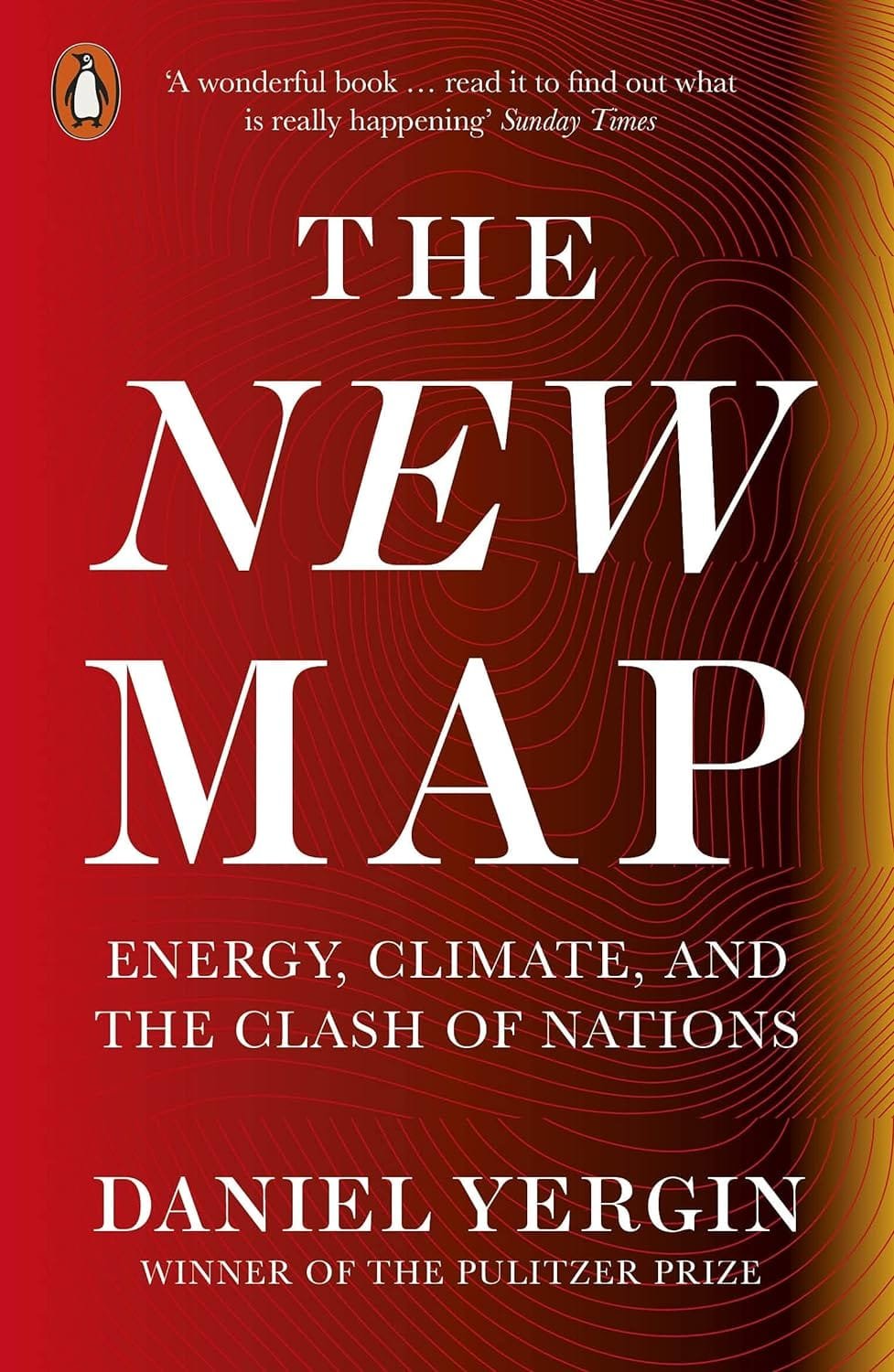
The New Map: Energy, Climate, And The Clash Of Nations
"The New Map: Energy, Climate, and the Clash of Nations" by Daniel Yergin is a comprehensive exploration of the evolving global energy landscape and its profound impact on geopolitics. Yergin, a Pulitzer Prize-winning author and energy expert, delves into the intricate interplay between energy, technology, and international relations. The book examines how shifts in energy production, consumption, and innovation are reshaping the geopolitical dynamics among nations. Yergin provides a nuanced analysis of key players in the energy sector, from traditional oil and gas producers to emerging renewable energy leaders. Additionally, he delves into the complex challenges posed by climate change and the growing urgency for sustainable energy solutions.
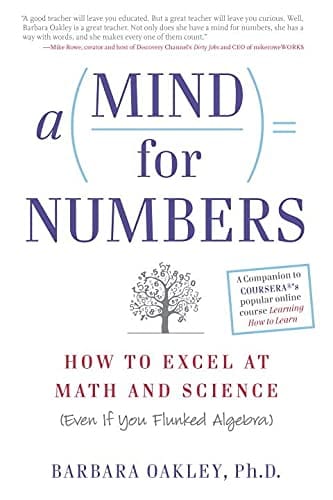
A Mind For Numbers
In "A Mind for Numbers," Dr. Barbara Oakley takes readers on a transformative journey to master the art of learning and understanding complex subjects, particularly mathematics and science. Drawing on cognitive science research, personal anecdotes, and practical strategies, Oakley demystifies the learning process and provides insights into how the brain absorbs and retains information. The book introduces the concept of focused and diffuse thinking, emphasizing the importance of alternating between intense concentration and relaxed contemplation to enhance learning and problem-solving skills. Oakley's engaging writing style and relatable examples create a compelling narrative that resonates with learners of all levels, making the book accessible to those who may have previously struggled with quantitative subjects.

The Man Who Solved The Market
"The Man Who Solved the Market" by Gregory Zuckerman is a captivating narrative that unveils the extraordinary success of Jim Simons and his hedge fund, Renaissance Technologies. Zuckerman takes readers on a journey into the secretive world of quantitative finance, revealing how Simons and his team of mathematicians and scientists revolutionized the field of algorithmic trading. The book provides a detailed account of Simons' career, from his early days as a codebreaker during the Cold War to his transformation into one of the most successful and enigmatic figures in the financial world. Zuckerman explores the intricate strategies and groundbreaking mathematical models that enabled Renaissance Technologies to consistently outperform traditional investment approaches, making it one of the most lucrative hedge funds in history.

Incognito: The Secret Lives Of The Brain

Sapiens: A Brief History Of Humankind
"Sapiens: A Brief History of Humankind" by Yuval Noah Harari is a captivating journey through the evolution of Homo sapiens, from ancient times to the present day. Harari skillfully weaves together anthropology, history, and biology to provide a comprehensive overview of the key milestones that have shaped human societies. The narrative explores the cognitive, social, and cultural revolutions that marked our species' ascent to dominance, offering insightful perspectives on how shared myths, collective imagination, and societal structures have played pivotal roles in shaping human history. Harari challenges conventional narratives, forcing readers to reconsider their understanding of concepts like money, religion, and empire, and to confront the complex ethical questions that arise from humanity's impact on the planet and its fellow species

Invisible Women: Exposing Data Bias In A World Designed For Men
"Invisible Women" by Caroline Criado Perez is a thought-provoking exploration of the gender data gap and its profound implications on women's lives. Perez meticulously unveils how a lack of gender-disaggregated data has resulted in systemic biases that permeate various aspects of society, from urban planning and healthcare to technology and the economy. Through extensive research and compelling examples, the author demonstrates how the default male perspective in data collection has led to the neglect of women's needs and experiences. The book serves as a wake-up call, revealing the hidden ways in which women are often overlooked or marginalized due to data that doesn't adequately represent their diverse realities.

The Big Short: Inside The Doomsday Machine
"The Big Short: Inside the Doomsday Machine" is a gripping exposé written by Michael Lewis that provides an in-depth analysis of the financial crisis of 2007-2008. Lewis takes readers on a journey through the complex world of subprime mortgage bonds, collateralized debt obligations (CDOs), and the intricate financial instruments that led to the collapse of the housing market. Through the lens of a handful of astute investors who foresaw the impending catastrophe and bet against the market, Lewis unveils the rampant greed, recklessness, and systemic failures that contributed to one of the most significant economic downturns in recent history. The narrative skillfully blends financial intricacies with compelling character sketches, making the complex subject matter accessible and engaging for a broad audience.

Chaos
"Chaos: Making a New Science" by James Gleick is a captivating exploration of the emerging field of chaos theory, a scientific discipline that challenges traditional views of predictability and order in the natural world. Gleick takes readers on a journey through the history of chaos theory, from its roots in mathematics to its applications in various scientific disciplines, including meteorology, biology, and physics. The book introduces readers to key concepts such as the butterfly effect and fractals, illustrating how seemingly chaotic systems can exhibit underlying patterns and order. Gleick's narrative is both accessible and engaging, making complex scientific ideas comprehensible to a broad audience and revealing the beauty and significance of chaos in shaping our understanding of the world.

Elon M U S K: How The Billionaire CEO Of SpaceX And Tesla Is Shaping Our Future
"Elon Musk: How the Billionaire CEO of SpaceX and Tesla Is Shaping Our Future" is a biographical work that delves into the life and visionary pursuits of one of the most influential figures in the tech and space industries. Authored by Ashlee Vance, the book provides a comprehensive and compelling account of Musk's journey from his childhood in South Africa to becoming a groundbreaking entrepreneur in Silicon Valley. The narrative unfolds Musk's relentless pursuit of ambitious goals, from co-founding PayPal to spearheading SpaceX and Tesla, two companies that have redefined space exploration and sustainable energy. Vance's portrayal captures Musk's complex personality, blending his brilliance and innovation with the challenges and controversies that have marked his career.

The Art of Statistics: Learning from Data
"The Art of Statistics" by David Spiegelhalter is a compelling exploration of the power and relevance of statistics in our data-driven world. Spiegelhalter, a prominent statistician, takes readers on a journey through the intricacies of statistical thinking, making the subject accessible to a broad audience. Rather than presenting statistics as a dry and abstract field, Spiegelhalter emphasizes its practical applications and the role it plays in shaping our understanding of the world. The book covers a wide range of topics, from interpreting data in the media to making sense of uncertainty and probability. Spiegelhalter's engaging narrative is enriched with real-world examples and anecdotes, making complex statistical concepts comprehensible and highlighting the importance of statistical literacy in making informed decisions.

Turn The Ship Around!: A True Story of Building Leaders by Breaking the Rules
"Turn the Ship Around!" by David Marquet is a transformative leadership book that challenges traditional command structures. As a former U.S. Navy submarine captain, Marquet shares his journey of turning around an underperforming crew by embracing a leader-leader model. Rejecting the leader-follower dynamic, Marquet advocates for distributing authority throughout the team, fostering a culture of empowerment, critical thinking, and individual responsibility. The book's principles, inspired by Marquet's naval experiences, have found resonance in diverse industries, providing a refreshing perspective on leadership that values collaboration, competence, and ongoing improvement.

Misbehaving
In "Misbehaving: The Making of Behavioral Economics," renowned economist Richard H. Thaler provides a captivating exploration of the evolution of economic thought and the emergence of behavioral economics as a groundbreaking discipline. Thaler challenges the traditional assumptions of classical economics that portray individuals as rational actors consistently making optimal decisions. Instead, he introduces the concept of "bounded rationality" and argues that human decision-making is inherently flawed, influenced by cognitive biases and social factors. Thaler's narrative weaves together historical anecdotes, experiments, and personal experiences, offering a compelling account of the development of behavioral economics.

The Lean Startup: How Constant Innovation Creates Radically Successful Businesses
The Lean Startup methodology, pioneered by entrepreneur and author Eric Ries, has revolutionized the way entrepreneurs approach the process of starting and growing a business. At its core, the Lean Startup is a systematic, scientific approach to creating and managing successful startups in an age of uncertainty. It encourages entrepreneurs to continuously test their assumptions, learn from customer feedback, and iterate quickly to adapt to changing market conditions. The methodology places a strong emphasis on the Build-Measure-Learn feedback loop, where entrepreneurs rapidly build a minimum viable product (MVP), measure its performance, and learn from the data to inform the next iteration. This iterative process minimizes wasted resources and increases the chances of building a product that truly meets customer needs.

Built To Last Successful Habits Of Visionary Companies
Published in 1994, "Built to Last: Successful Habits of Visionary Companies" by Jim Collins and Jerry I. Porras is a seminal work that explores the qualities and practices that set enduring and visionary companies apart from their counterparts. The authors conducted an extensive six-year research project, analyzing a vast array of companies to identify what makes certain organizations thrive over the long term. The book introduces the concept of "visionary companies" and challenges the conventional wisdom that success is primarily driven by charismatic leadership or specific industry conditions. Collins and Porras identify timeless principles and core values that contribute to the sustained success of these visionary companies, emphasizing the importance of a strong corporate culture and a commitment to enduring goals.
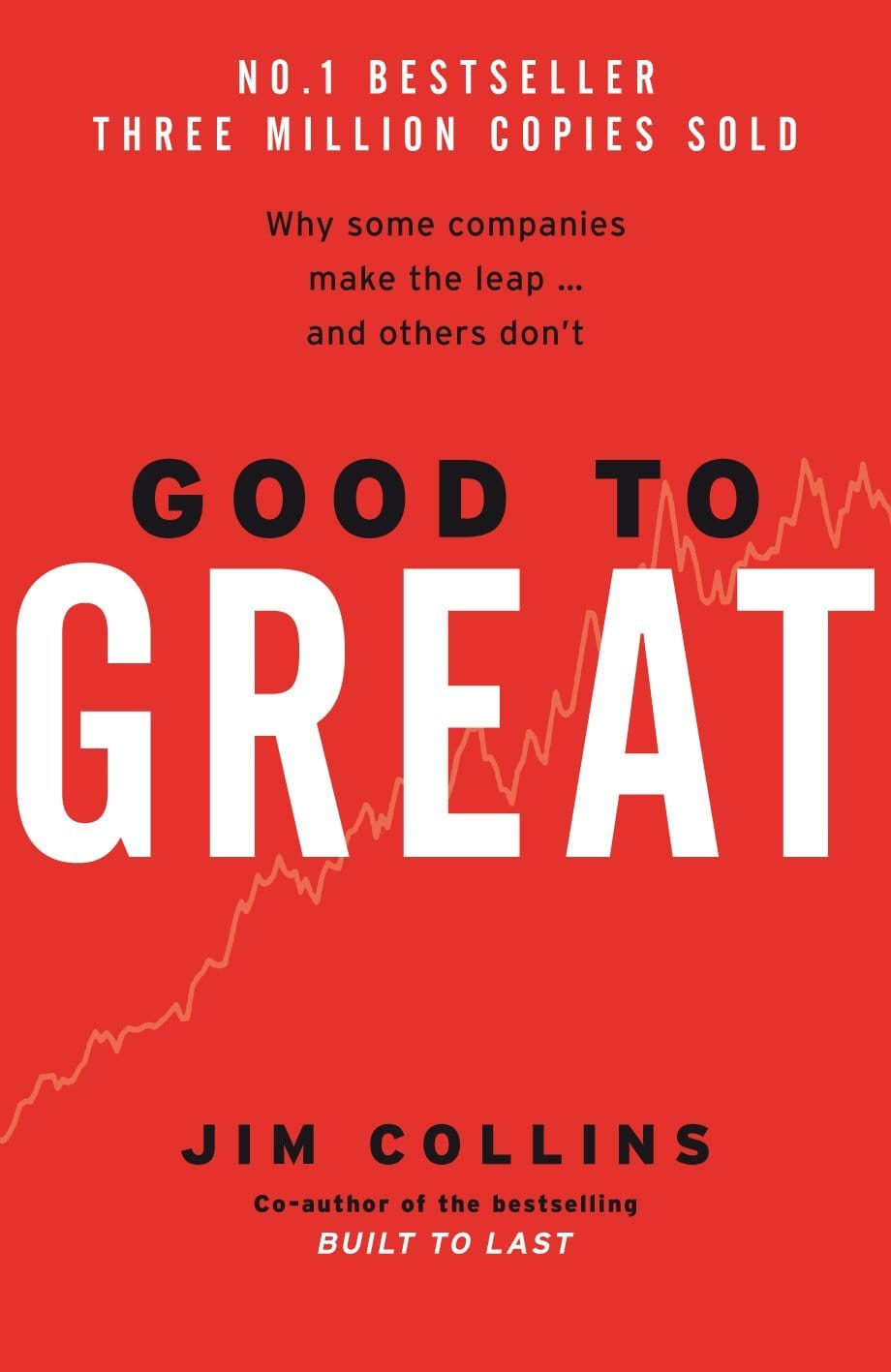
Good To Great. Why Some Companies Make The Leap…And Others Don’t
"Good to Great: Why Some Companies Make the Leap...And Others Don't" by Jim Collins is a seminal work in the realm of business literature, exploring the factors that differentiate truly great companies from their merely good counterparts. Collins and his research team conducted a rigorous five-year study to identify companies that made a sustained transition from mediocrity to greatness and, importantly, sustained that greatness for at least 15 years. The book introduces the concept of Level 5 leadership, emphasizing the importance of leaders who blend personal humility with professional will. Collins identifies key principles, such as getting the right people on the bus and in the right seats, confronting the brutal facts of reality, and maintaining an unwavering commitment to a core ideology, as critical components of the transformation process.

Stealth War How China Took Over While America’s Elite Slept
"Stealth War: How China Took Over While America's Elite Slept" by Robert Spalding is a thought-provoking examination of the strategic competition between the United States and China in the realms of technology, economics, and national security. Spalding, a retired Air Force brigadier general with experience in military and diplomatic roles, provides a compelling argument that China's rise as a global power has been facilitated by a systematic and strategic approach to economic and technological dominance. The book contends that while the U.S. has been preoccupied with short-term interests, China has been engaged in a long-term campaign to surpass American influence. Spalding highlights the importance of recognizing the scope and depth of this competition and suggests strategies for the U.S. to protect its interests and maintain global leadership.

A Short History Of Nearly Everything
"A Short History of Nearly Everything" by Bill Bryson is a captivating exploration of the scientific discoveries and breakthroughs that have shaped our understanding of the universe and life on Earth. Bryson, known for his engaging and accessible writing style, takes readers on a journey through various scientific disciplines, from cosmology and geology to biology and physics. The book distills complex concepts into digestible narratives, making it an ideal read for those with a general interest in science or for those seeking a comprehensive overview of the scientific achievements that have defined our existence. Bryson's wit and humor infuse the narrative, making potentially daunting scientific subjects not only understandable but also thoroughly enjoyable.