


Oliver Twist ( Unabridged Classics)
"Oliver Twist," an enduring classic by Charles Dickens, has captivated readers for generations with its poignant depiction of Victorian society and the struggles of its eponymous protagonist. Published in serialized form between 1837 and 1839, the novel follows the journey of Oliver, an orphan born into a life of destitution and mistreatment. The unabridged edition preserves the richness of Dickens's narrative, allowing readers to immerse themselves fully in the intricate plot, multifaceted characters, and the author's keen social commentary. Through Oliver's encounters with a cast of memorable characters such as the sinister Fagin, the compassionate Mr. Brownlow, and the Artful Dodger, Dickens explores themes of poverty, crime, and the possibility of redemption, creating a timeless work that resonates with readers of all ages.
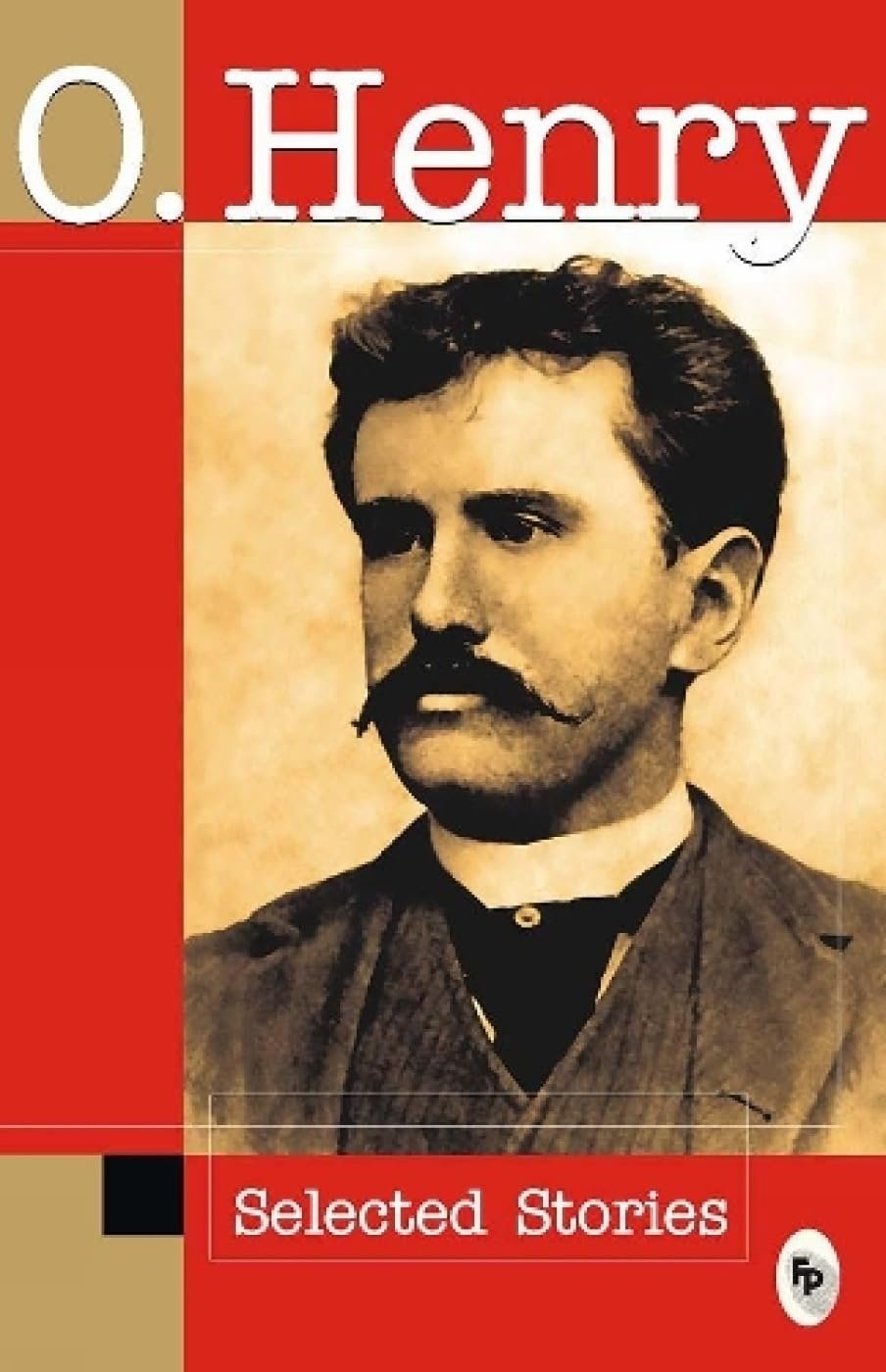
O. Henry – Selected Stories
"O. Henry: Selected Stories" presents a captivating anthology of short stories by the renowned American writer William Sydney Porter, better known by his pen name O. Henry. This collection showcases O. Henry's masterful storytelling, wit, and unique twist endings that have made him a beloved figure in American literature. Through a diverse array of characters and settings, O. Henry explores the complexities of human nature, often using humor and irony to convey deeper truths. His ability to craft engaging narratives within the constraints of a short story is evident in classics like "The Gift of the Magi" and "The Ransom of Red Chief." Each tale in this collection reflects O. Henry's keen observations of society and his understanding of the human condition, leaving readers both entertained and contemplative.

Persuasion
"Persuasion" stands as the final completed novel by Jane Austen, published posthumously in 1818. The story centers around Anne Elliot, a thoughtful and reserved woman who, eight years prior, was persuaded to break off an engagement with the naval officer Frederick Wentworth due to societal pressure and financial concerns. The novel explores themes of love, second chances, and the consequences of societal expectations. Austen's astute observations on the nuances of human relationships and the societal constraints of her time shine through in "Persuasion," offering a mature and reflective exploration of love lost and rediscovered. The novel's enduring appeal lies in its complex characters, subtle humor, and Austen's keen insight into the dynamics of human behavior.

Tess Of The D’Urbervilles
"Tess of the d'Urbervilles" is a powerful and tragic novel written by Thomas Hardy, first published in 1891. The story revolves around Tess Durbeyfield, a young and innocent peasant girl whose life takes a tragic turn when she discovers her noble lineage as a d'Urberville. The novel explores themes of fate, morality, and societal expectations as Tess grapples with the consequences of her choices in a society that harshly judges women for perceived indiscretions. Hardy's masterful prose weaves a poignant narrative that delves into the complexities of human nature and the inherent injustice present in Victorian England's class-conscious society.
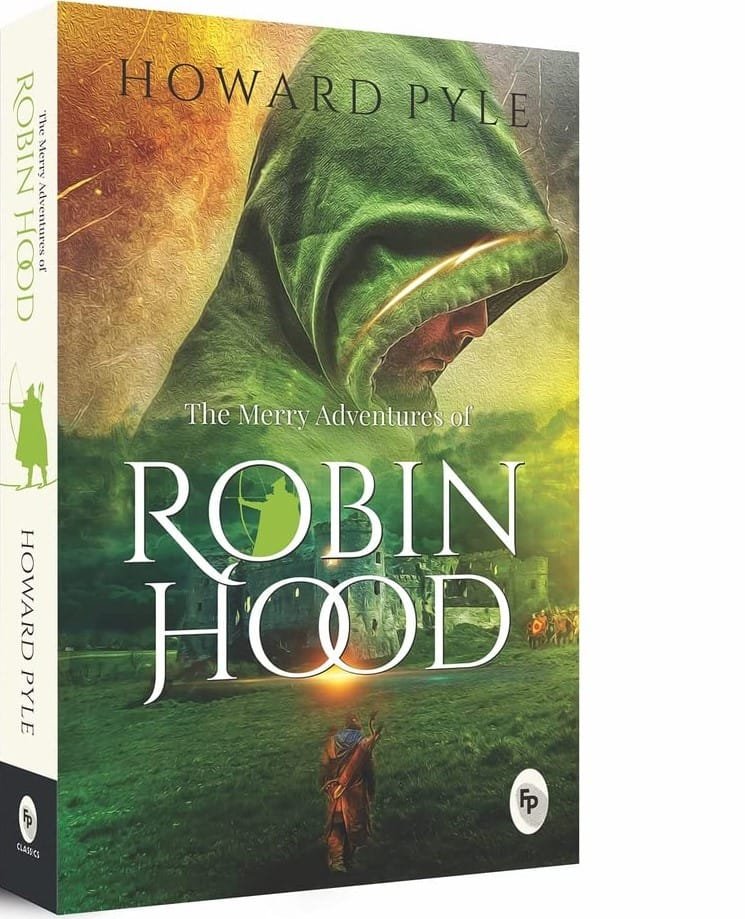
The Merry Adventures Of Robin Hood
"The Merry Adventures of Robin Hood" is a classic tale of adventure and justice penned by Howard Pyle. First published in 1883, Pyle's rendition of the legendary English outlaw has become the definitive version for many readers. The novel follows the exploits of Robin Hood and his band of Merry Men as they navigate the dense Sherwood Forest, robbing from the rich to give to the poor. Pyle's storytelling combines elements of medieval folklore, romance, and swashbuckling action, creating a timeless narrative that captures the spirit of camaraderie, chivalry, and resistance against injustice.

Mrs. Dalloway
"Mrs. Dalloway" is a classic novel written by Virginia Woolf, first published in 1925. Set in post-World War I London, the story unfolds over the course of a single day as Clarissa Dalloway, an upper-class woman, prepares for a party she is hosting that evening. Through a stream-of-consciousness narrative style, Woolf delves into the inner thoughts and experiences of various characters, including Clarissa herself, her husband Richard, her former suitor Peter Walsh, and the shell-shocked war veteran Septimus Warren Smith. As the day progresses, the novel explores themes of memory, identity, societal expectations, and the effects of trauma, offering profound insights into human nature and the complexities of modern life. "Mrs. Dalloway" is celebrated for its innovative narrative technique, lyrical prose, and poignant exploration of the human condition, cementing its status as one of Woolf's most enduring and influential works.
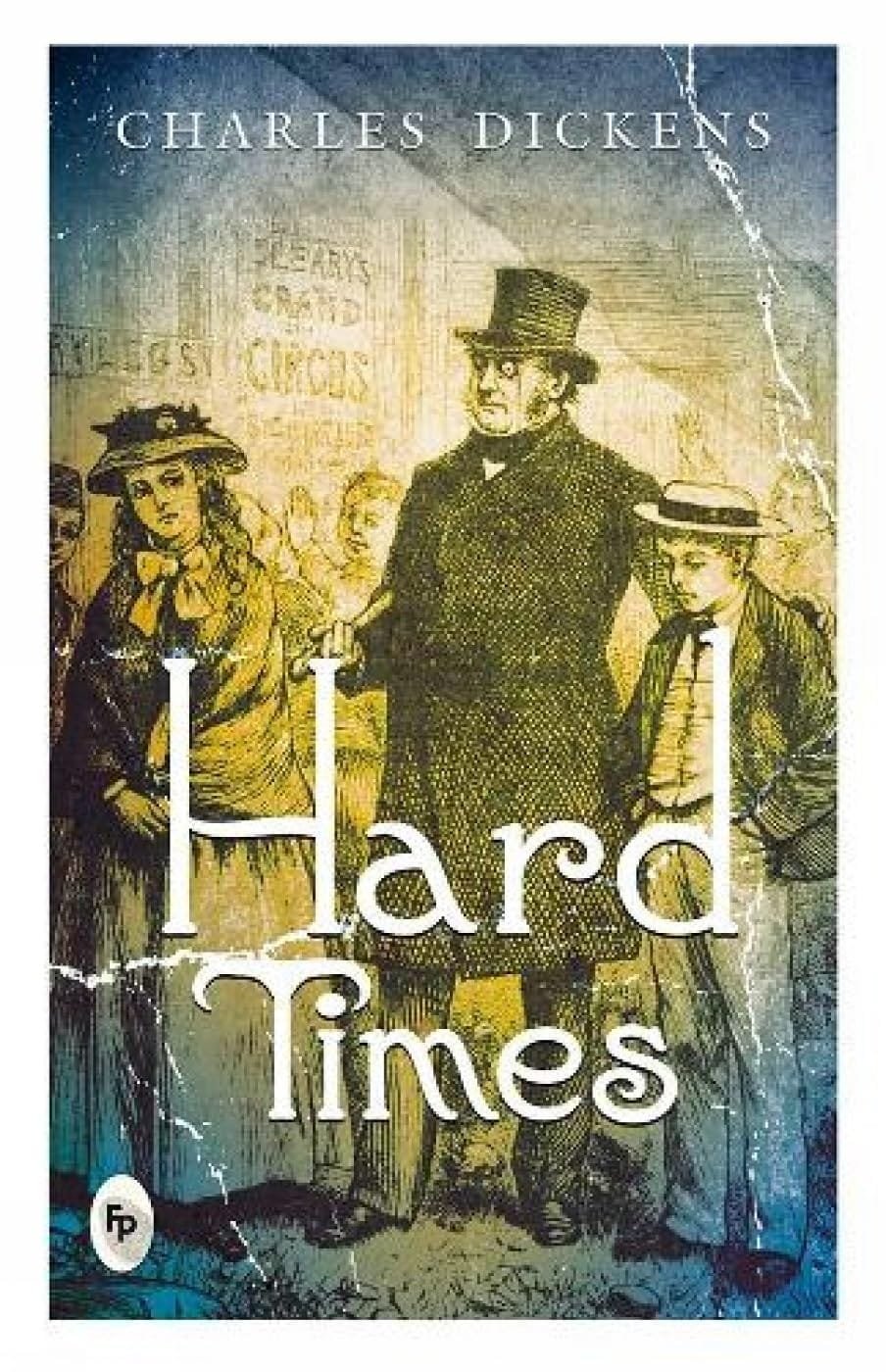
Hard Times
"Hard Times" is a classic novel written by Charles Dickens and first published in 1854. Set in the fictional industrial town of Coketown, the novel explores the harsh realities of the Industrial Revolution, focusing on the dehumanizing impact of utilitarianism and the struggles of the working class. Dickens uses vivid characters such as the stern and utilitarian headmaster Thomas Gradgrind, the pitiful and oppressed worker Stephen Blackpool, and the resilient yet vulnerable Sissy Jupe to illustrate the societal challenges and injustices of the time. Through its exploration of the consequences of industrialization and the relentless pursuit of efficiency, "Hard Times" remains a powerful critique of social and economic systems that prioritize profit over the well-being of individuals.
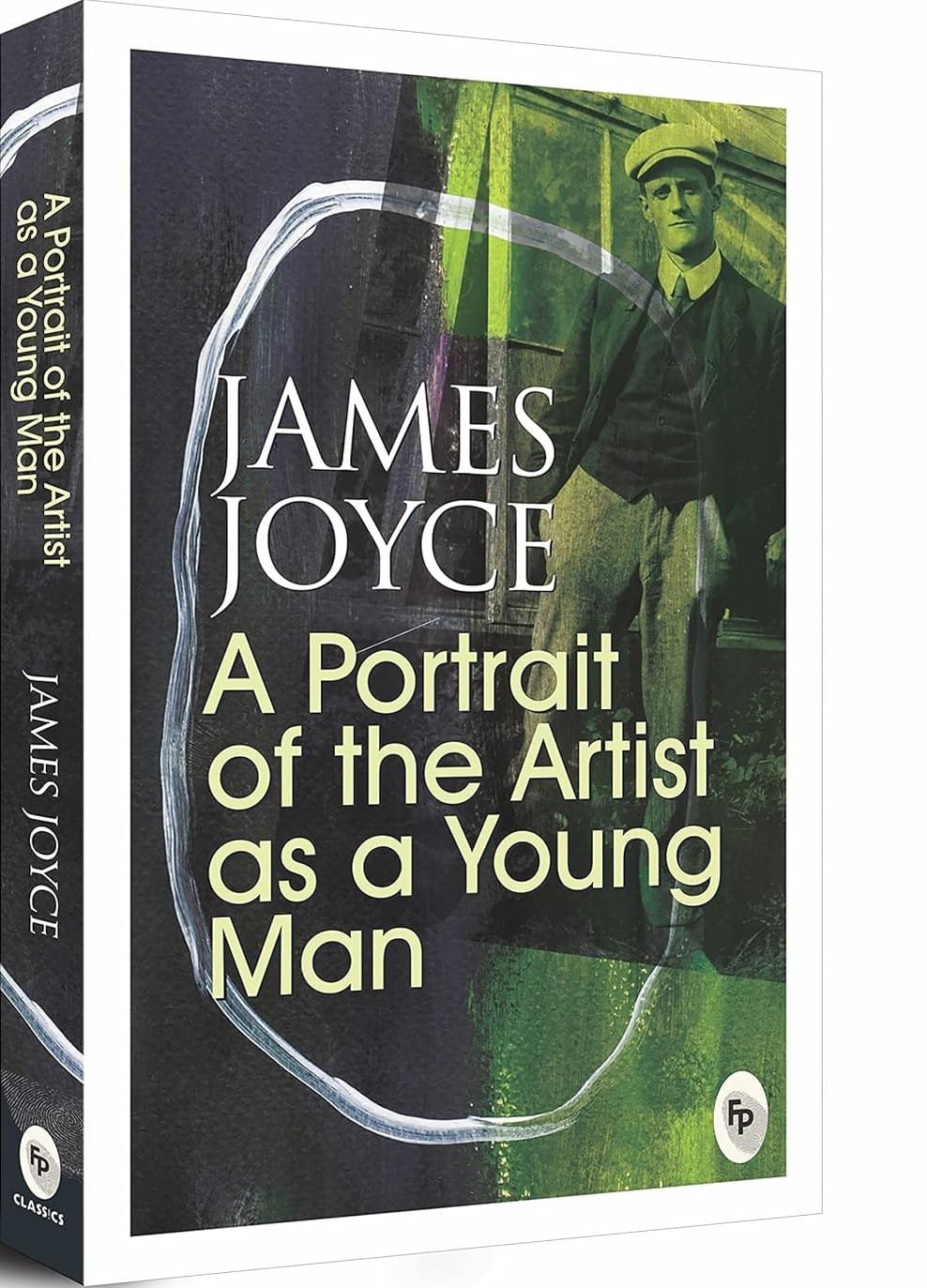
A Portrait Of The Artist As A Young Man
"A Portrait of the Artist as a Young Man," penned by James Joyce and published in 1916, is a groundbreaking modernist novel that delves into the complexities of identity, artistic awakening, and the pursuit of individuality. The narrative traces the evolution of the protagonist, Stephen Dedalus, from his early childhood to young adulthood, exploring his struggles with religion, societal expectations, and his desire for self-expression as an artist. Joyce employs a stream-of-consciousness narrative style, offering readers an intimate glimpse into Stephen's thoughts, emotions, and inner turmoil as he grapples with his place in a rapidly changing world.

A Tale Of Two Cities ( Unabridged Classics)
"A Tale of Two Cities" by Charles Dickens, first published in 1859, stands as a timeless classic that vividly captures the tumultuous events surrounding the French Revolution. Set against the backdrop of London and Paris, the novel explores the stark contrasts between the two cities and the lives of characters caught up in the turbulence of historical and social upheaval. Dickens masterfully weaves together the fates of characters such as Charles Darnay, Sydney Carton, and the enigmatic Madame Defarge, creating a tapestry of love, sacrifice, and resurrection.
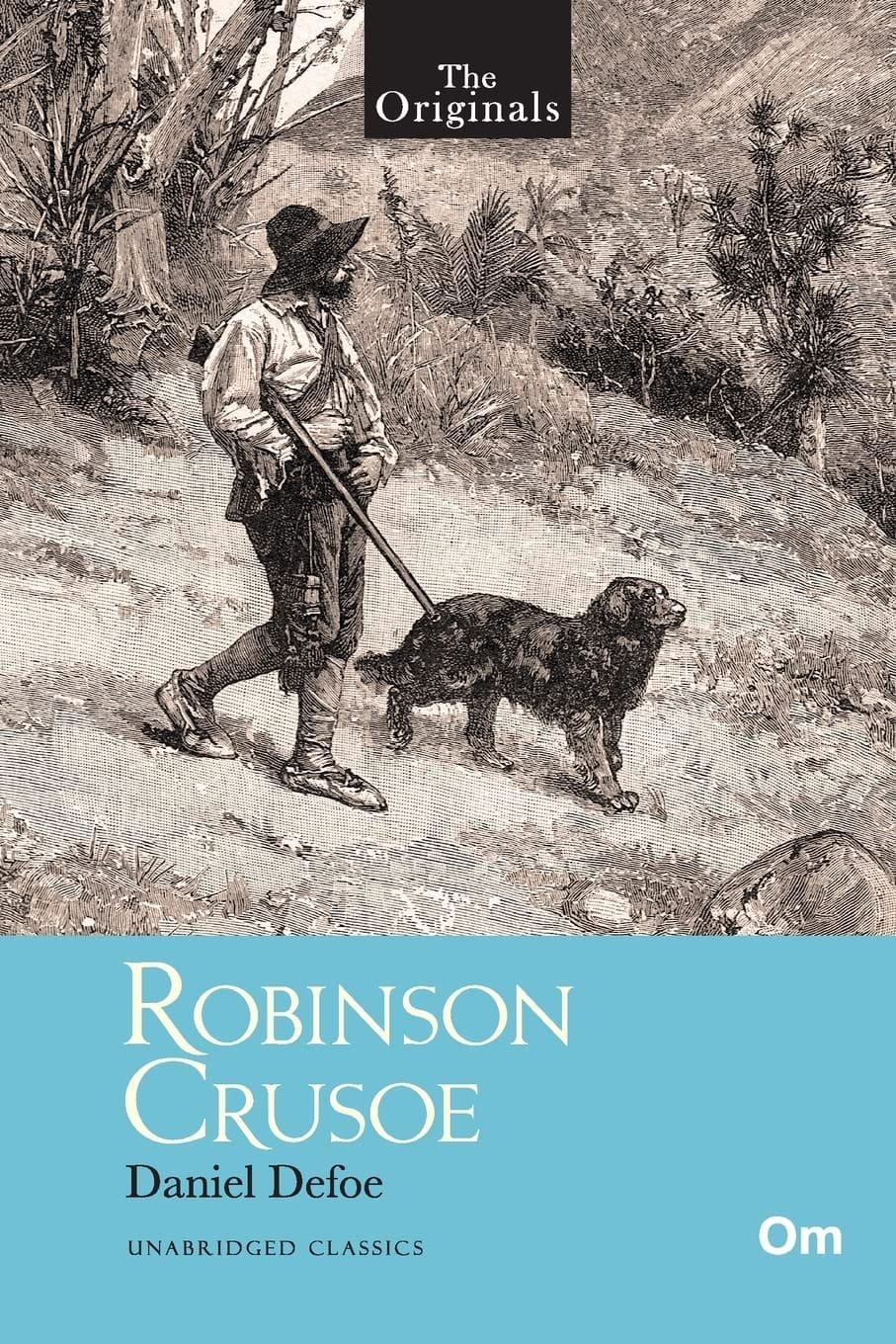
Robinson Crusoe ( Unabridged Classics)
"Robinson Crusoe," presented in its unabridged form as one of the timeless classics, offers readers an unparalleled depth of storytelling that goes beyond the abridged versions commonly encountered. Daniel Defoe's masterpiece, published in 1719, takes readers on an extraordinary journey of survival, self-discovery, and resilience. The unabridged edition preserves the richness of Defoe's detailed narrative, providing a comprehensive exploration of Robinson Crusoe's psychological and emotional evolution during his extended isolation on a deserted island. Readers can appreciate the intricacies of Crusoe's resourcefulness, his practical ingenuity in building a life from scratch, and the profound impact of solitude on his understanding of faith and humanity.

Robinson Crusoe
Daniel Defoe's "Robinson Crusoe" stands as a seminal work in the literary canon, known for its pioneering role in the development of the novel as a genre. Published in 1719, it recounts the tale of Robinson Crusoe, a mariner shipwrecked on a remote island, where he must confront the challenges of survival and solitude. The novel not only captures the essence of adventure but also serves as a profound exploration of human resilience, adaptation, and the quest for meaning in isolation. Crusoe's journey from despair to resourcefulness, as he learns to navigate the island and build a life from scratch, is a timeless narrative that reflects on the complexities of the human spirit when faced with adversity.

The Invisible Man
H.G. Wells' "The Invisible Man" is a classic science fiction novel that delves into the consequences of unchecked scientific experimentation. The narrative follows Dr. Griffin, a brilliant scientist who discovers a way to make himself invisible. However, as Griffin grapples with the newfound power, the novel unfolds as a cautionary tale about the corrupting nature of unchecked ambition and the isolation that comes with possessing an ability that sets one apart from society. The story explores themes of morality, ethics, and the impact of scientific discovery on human nature, inviting readers to contemplate the delicate balance between progress and the potential dangers inherent in pushing the boundaries of scientific knowledge.
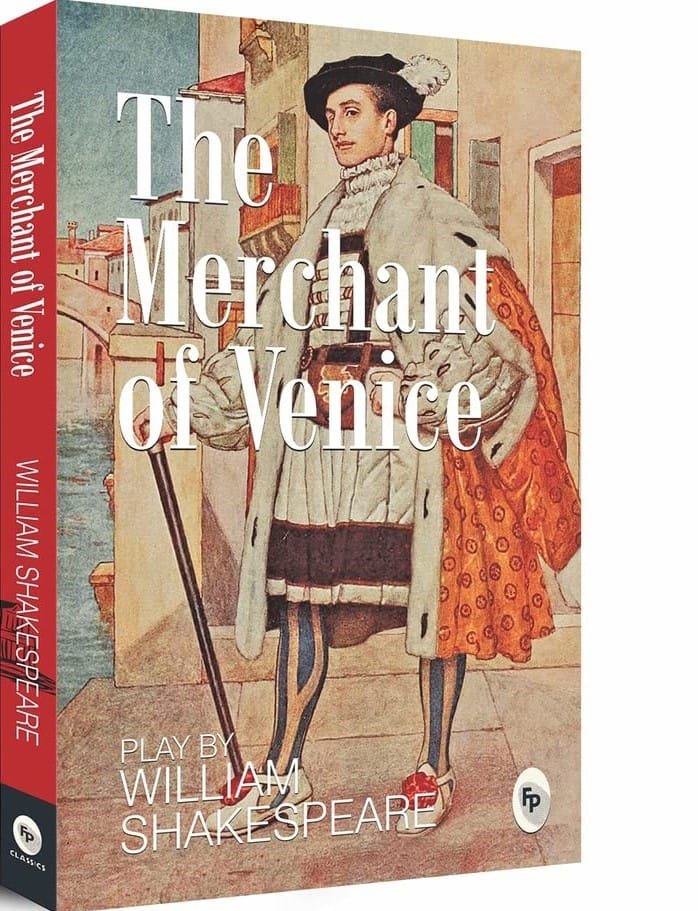
The Merchant Of Venice
"The Merchant of Venice," penned by William Shakespeare in the late 16th century, is a complex and multifaceted play that intertwines themes of love, justice, and prejudice. At its core is the character of Shylock, a Jewish moneylender, who enters into a contract with the Christian merchant Antonio, the titular character. The play explores the consequences of this pact, delving into issues of religious and cultural differences, as well as the moral complexities of justice and mercy. Shakespeare's portrayal of Shylock, often seen as a tragic figure seeking retribution for the mistreatment he faces, has sparked debates about the play's stance on anti-Semitism and human empathy. "The Merchant of Venice" remains a timeless work, challenging audiences to confront questions of societal norms, empathy, and the pursuit of justice.
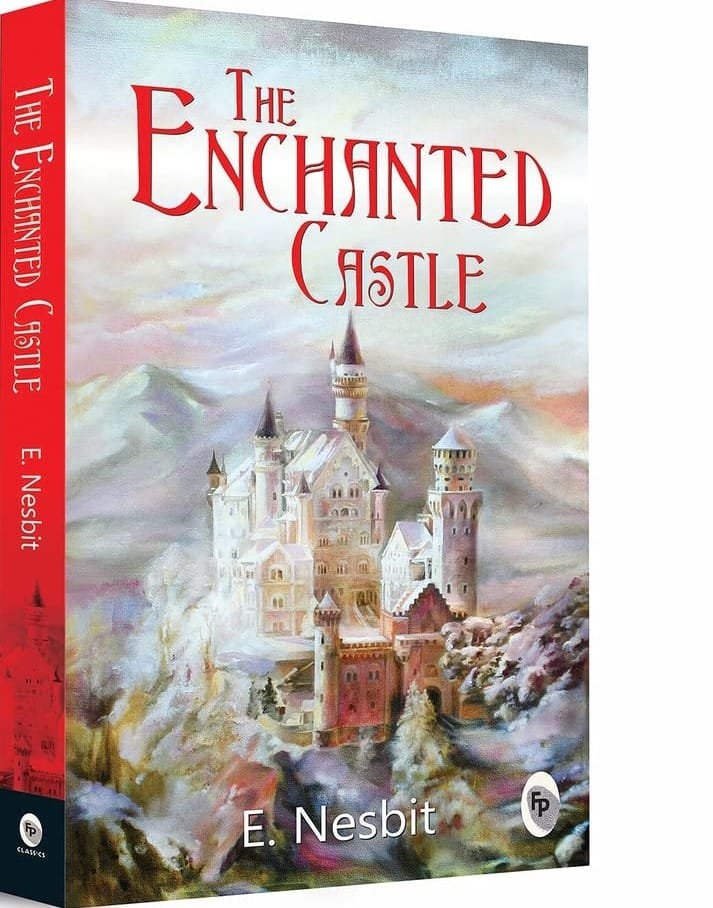
The Enchanted Castle
"The Enchanted Castle" is a classic children's fantasy novel written by E. Nesbit, first published in 1907. The story begins when three siblings, Gerald, Kathleen, and Jimmy, discover a magical ring that grants them the power to invisibly travel through time and space. As they embark on various adventures, the children find themselves entangled in a whimsical and enchanting world filled with princesses, talking statues, and magical mishaps. Nesbit's narrative skillfully blends humor, imagination, and a touch of mystery, creating a captivating tale that has charmed generations of readers. "The Enchanted Castle" is celebrated for its exploration of childhood curiosity, the transformative power of imagination, and the magical possibilities hidden within the ordinary."The Enchanted Castle" is a classic children's fantasy novel written by E. Nesbit, first published in 1907. The story begins when three siblings, Gerald, Kathleen, and Jimmy, discover a magical ring that grants them the power to invisibly travel through time and space. As they embark on various adventures, the children find themselves entangled in a whimsical and enchanting world filled with princesses, talking statues, and magical mishaps. Nesbit's narrative skillfully blends humor, imagination, and a touch of mystery, creating a captivating tale that has charmed generations of readers. "The Enchanted Castle" is celebrated for its exploration of childhood curiosity, the transformative power of imagination, and the magical possibilities hidden within the ordinary.

Romeo And Juliet
"Romeo and Juliet," written by William Shakespeare around 1597, stands as one of the most famous and enduring tragedies in the literary canon. The play unfolds the tale of two young lovers, Romeo Montague and Juliet Capulet, who find themselves entangled in a feud between their families. Shakespeare explores themes of love, fate, and societal expectations, presenting the passion and tragedy that characterize the ill-fated romance. The play's timeless appeal lies in its exploration of the complexities of love and the consequences of societal divisions, themes that resonate across cultures and centuries. Shakespeare's poetic language and masterful storytelling make "Romeo and Juliet" a profound exploration of the human condition, with characters that have become archetypal representations of youthful passion and tragic love.
Poetics
Aristotle's "Poetics" stands as a foundational text in Western literary theory, written in the 4th century BCE. In this treatise, Aristotle provides insightful analysis and observations on the nature of drama, particularly tragedy. He explores various elements that contribute to the effectiveness of a dramatic work, such as plot, character, thought, diction, melody, and spectacle. Aristotle's exploration of the concept of "catharsis," the emotional purgation or purification achieved through tragedy, remains a central theme. "Poetics" not only lays the groundwork for the study of dramatic arts but also serves as a broader guide to understanding the principles of storytelling and the psychological impact of literature. The text's enduring significance lies in its timeless insights into the art of narrative and its profound influence on subsequent literary criticism and dramatic theory.
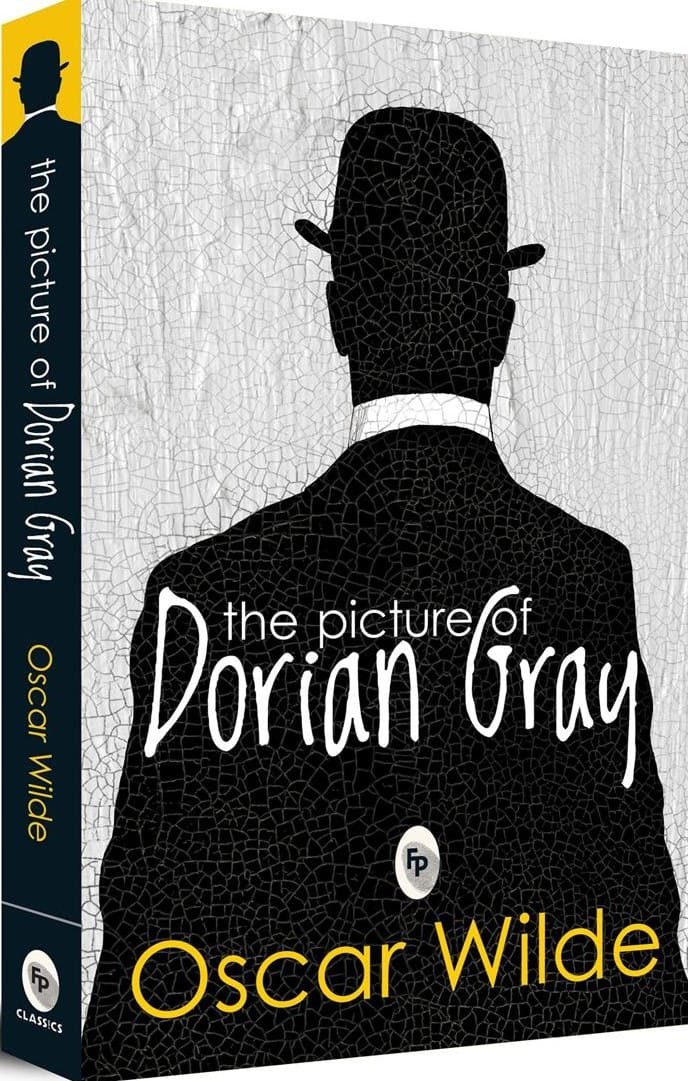
The Picture of Dorian Gray
"The Picture of Dorian Gray" paperback edition presents Oscar Wilde's timeless masterpiece in a compact and accessible format. Wilde's tale of vanity, morality, and the consequences of aestheticism is expertly bound within these pages, offering readers a captivating journey into the depths of human nature. The paperback edition's portable design makes it perfect for readers on the go, allowing them to immerse themselves in the decadent world of Dorian Gray wherever they may wander. With its crisp print and durable cover, this edition ensures that Wilde's iconic story remains a cherished addition to any bookshelf, ready to be revisited time and time again.

A Room Of One’s Own
"A Room of One's Own" is a seminal work by Virginia Woolf, originally published in 1929 as an extended essay. Woolf's exploration of the status of women in literature and society is both profound and pioneering. The essay originated from a series of lectures she delivered at Newnham College and Girton College, both women's colleges at the University of Cambridge. The central premise revolves around Woolf's argument that for women to produce meaningful literary work, they need financial independence and a physical space of their own, symbolized by the titular "room." Through a fictional narrator's musings, Woolf delves into the historical and societal factors that have restricted women's access to education and opportunities, offering insights into the challenges faced by female writers and the importance of empowering women to express their creative voices.

Julius Caesar
"Julius Caesar" is one of William Shakespeare's iconic tragedies, believed to have been written in 1599. Set against the backdrop of ancient Rome, the play explores themes of political power, betrayal, and the consequences of ambition. The narrative follows the political rise and fall of Julius Caesar, a powerful Roman leader, and the conspirators who plot his assassination in fear of his growing authority. The play unfolds the aftermath of Caesar's death, marked by political turmoil, civil unrest, and the tragic fate of key characters like Brutus and Cassius. Shakespeare's masterful use of language, intricate characterization, and exploration of the moral complexities surrounding political power contribute to the enduring relevance and fascination with "Julius Caesar."
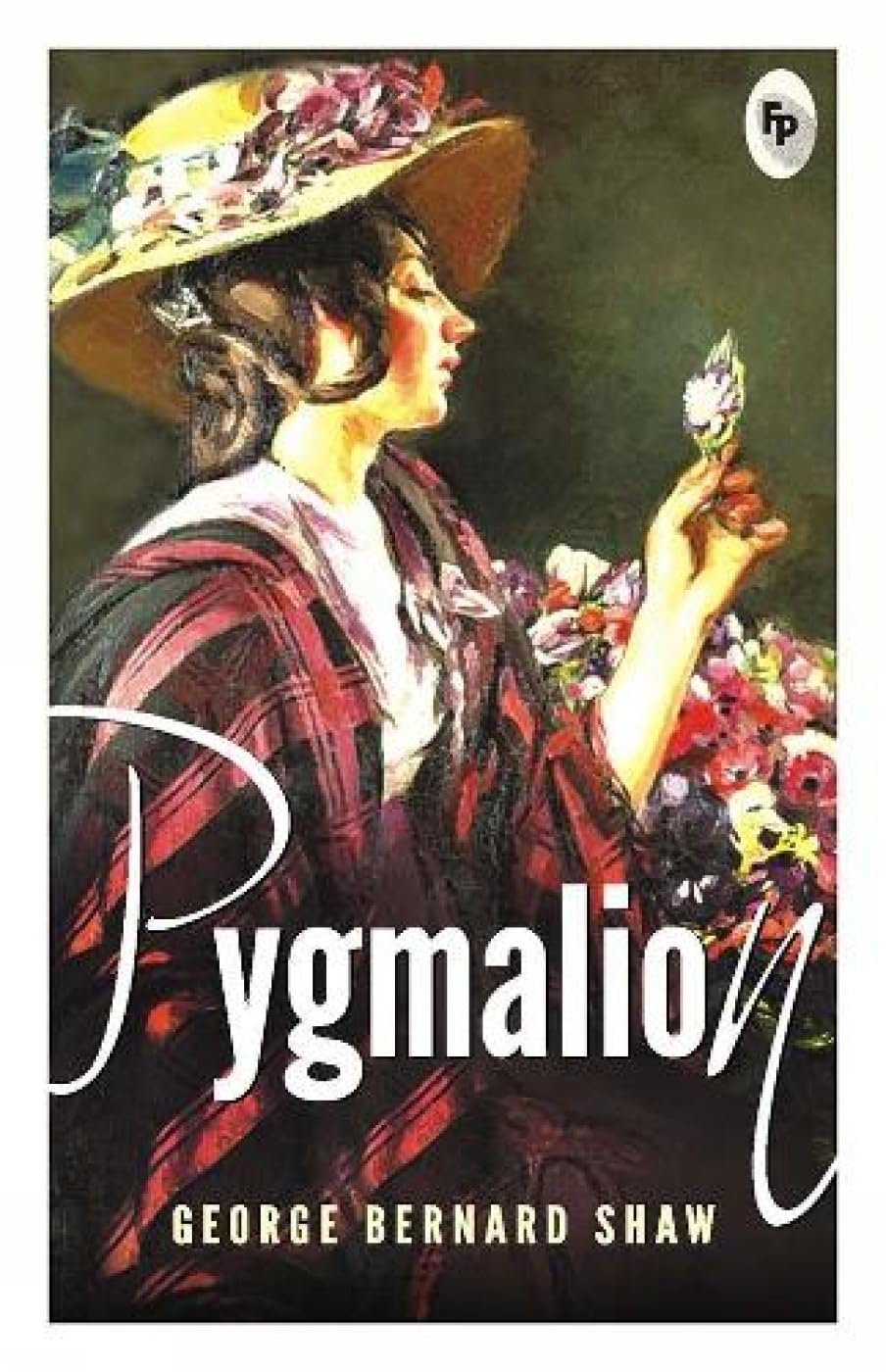
Pygmalion
"Pygmalion," written by George Bernard Shaw and first premiered in 1913, is a classic play that explores themes of class, identity, and social mobility. The story revolves around Professor Henry Higgins, a phonetics expert, who takes on the challenge of transforming Eliza Doolittle, a Cockney flower girl, into a refined and articulate lady. The play delves into the complexities of language and societal expectations, raising questions about the malleability of identity and the impact of linguistic and social skills on one's position in society. "Pygmalion" remains celebrated for its wit, sharp social commentary, and the enduring appeal of its characters, particularly the indomitable Eliza, who challenges preconceived notions of class and gender.
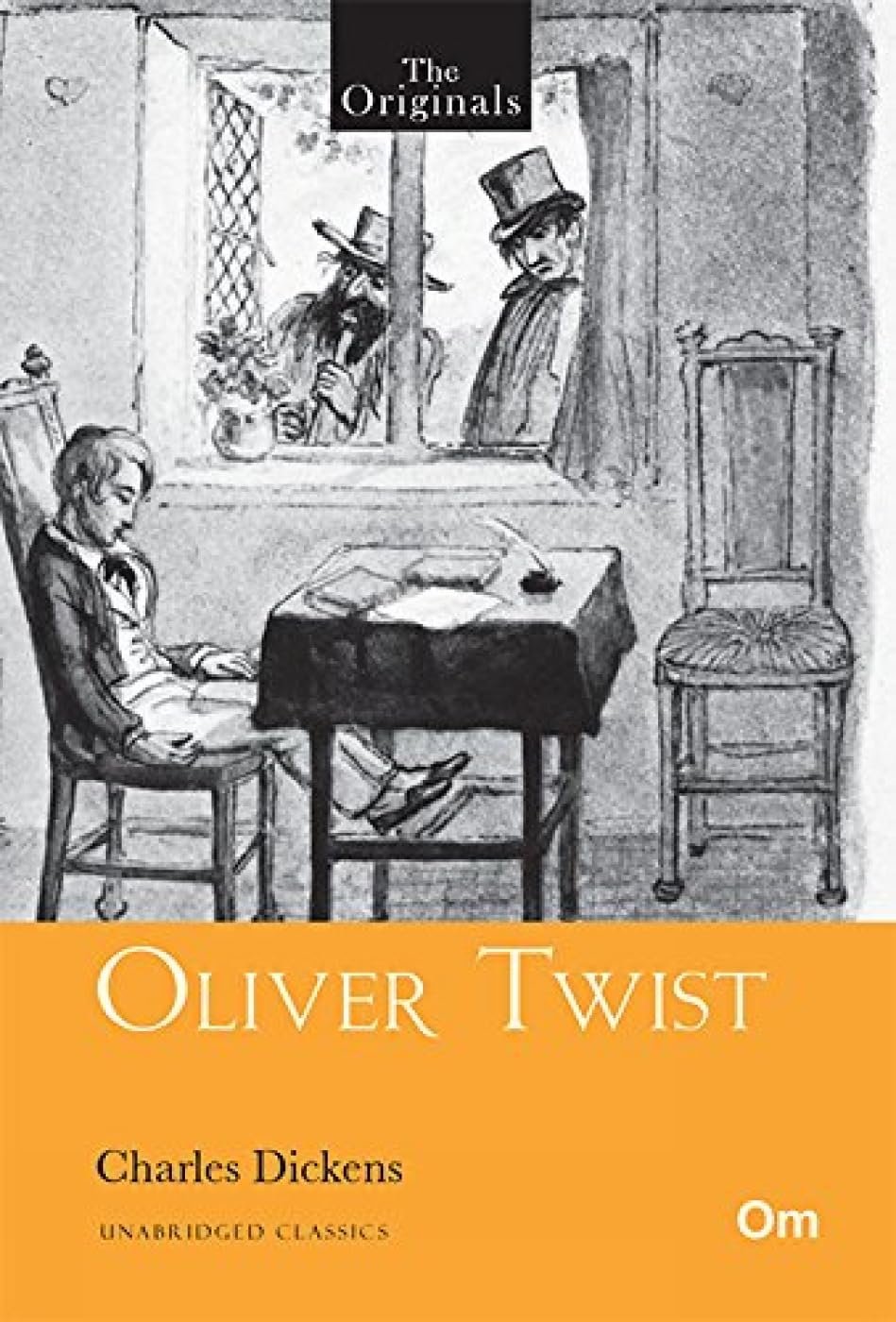
Oliver Twist
"Oliver Twist" is a classic novel by Charles Dickens, first published in 1837. The story follows the life of a young orphan, Oliver, who endures a harsh and impoverished childhood in a workhouse. After daring to ask for more food, Oliver is sold into apprenticeship and subsequently runs away to London. There, he becomes entangled with a group of juvenile delinquents led by the cunning Fagin and falls in with the compassionate but troubled Nancy. The novel vividly depicts the stark social and economic disparities of 19th-century London, shedding light on issues such as child labor, poverty, and the criminal underworld. Through Oliver's journey, Dickens explores themes of morality, the struggle for identity, and the redemptive power of compassion.

The Secret Garden
Frances Hodgson Burnett's "The Secret Garden" stands as a timeless and enchanting work of children's literature that has captivated readers since its publication in 1911. The novel unfolds the story of Mary Lennox, a spoiled and neglected orphan, who discovers a hidden, neglected garden on her uncle's Yorkshire estate. As Mary transforms the garden with the help of her newfound friends, Dickon and Colin, the narrative blossoms into a tale of personal growth, healing, and the transformative power of nature. Burnett's masterful storytelling, combined with the exploration of themes such as the rejuvenating effects of nature and the significance of positive human connections, elevates "The Secret Garden" beyond a mere children's story into a work that resonates with readers of all ages.

The Wind In The Willows
"The Wind in the Willows" by Kenneth Grahame is a timeless classic that enchants readers of all ages with its whimsical charm and endearing characters. Published in 1908, the novel takes readers on a captivating journey through the English countryside, where anthropomorphic animals embark on various adventures along the riverbank. At the heart of the story are Mole, Ratty, Badger, and the irrepressible Toad, each representing different facets of human nature. Grahame's exquisite prose and keen observations of the natural world create a rich tapestry that transcends its initial classification as a children's book. The novel explores themes of friendship, camaraderie, and the allure of the pastoral life, offering a nostalgic and heartwarming escape into a world where animals exhibit human-like qualities.

Tom Jones
Henry Fielding's "Tom Jones," published in 1749, stands as a masterpiece in the realm of English literature, celebrated for its comedic brilliance, social satire, and groundbreaking narrative techniques. The novel follows the adventures of the foundling Tom Jones as he navigates the complexities of love, morality, and social class in 18th-century England. Fielding's narrative is characterized by its picaresque structure, employing a rich array of characters and a plot that weaves through diverse settings and situations. The novel is not merely a romantic tale but a keen social commentary, exposing the hypocrisies of the time and challenging prevailing notions of virtue. With its humor, intricate plot, and vibrant characters, "Tom Jones" is a timeless work that continues to captivate readers and scholars, offering a window into the societal norms and moral debates of its era.

The War Of The Worlds
H.G. Wells' "The War of the Worlds" remains a seminal work in the science fiction genre, captivating readers since its publication in 1897. The novel unfolds as an account of an alien invasion by Martians, who deploy advanced technology to subjugate Earth. Wells' narrative skillfully combines scientific speculation with thrilling storytelling, creating a gripping portrayal of the panic and chaos that ensue as humanity grapples with an extraterrestrial threat. Beyond its entertainment value, the novel delves into societal reflections, exploring themes of colonialism, the fragility of human civilization, and the consequences of unchecked technological progress. As a pioneer in the genre, "The War of the Worlds" has left an indelible mark on science fiction literature, inspiring numerous adaptations and influencing subsequent generations of writers.

Ulysses ( Unabridged Classics)
James Joyce's "Ulysses" stands as one of the most celebrated and challenging works of modernist literature, and the unabridged classic edition allows readers to delve fully into its intricate narrative and linguistic richness. Published in 1922, "Ulysses" takes place over a single day, June 16, 1904, in Dublin, Ireland. The novel follows the experiences of three main characters – Leopold Bloom, Stephen Dedalus, and Molly Bloom – as they navigate the city, each representing different facets of the human experience. Joyce's experimental writing style, marked by stream-of-consciousness narrative and linguistic innovation, immerses readers in the characters' minds, offering a profound exploration of consciousness, identity, and the complexities of everyday life. The unabridged edition preserves the intricate layers of Joyce's prose, allowing readers to fully appreciate the novel's depth and complexity.
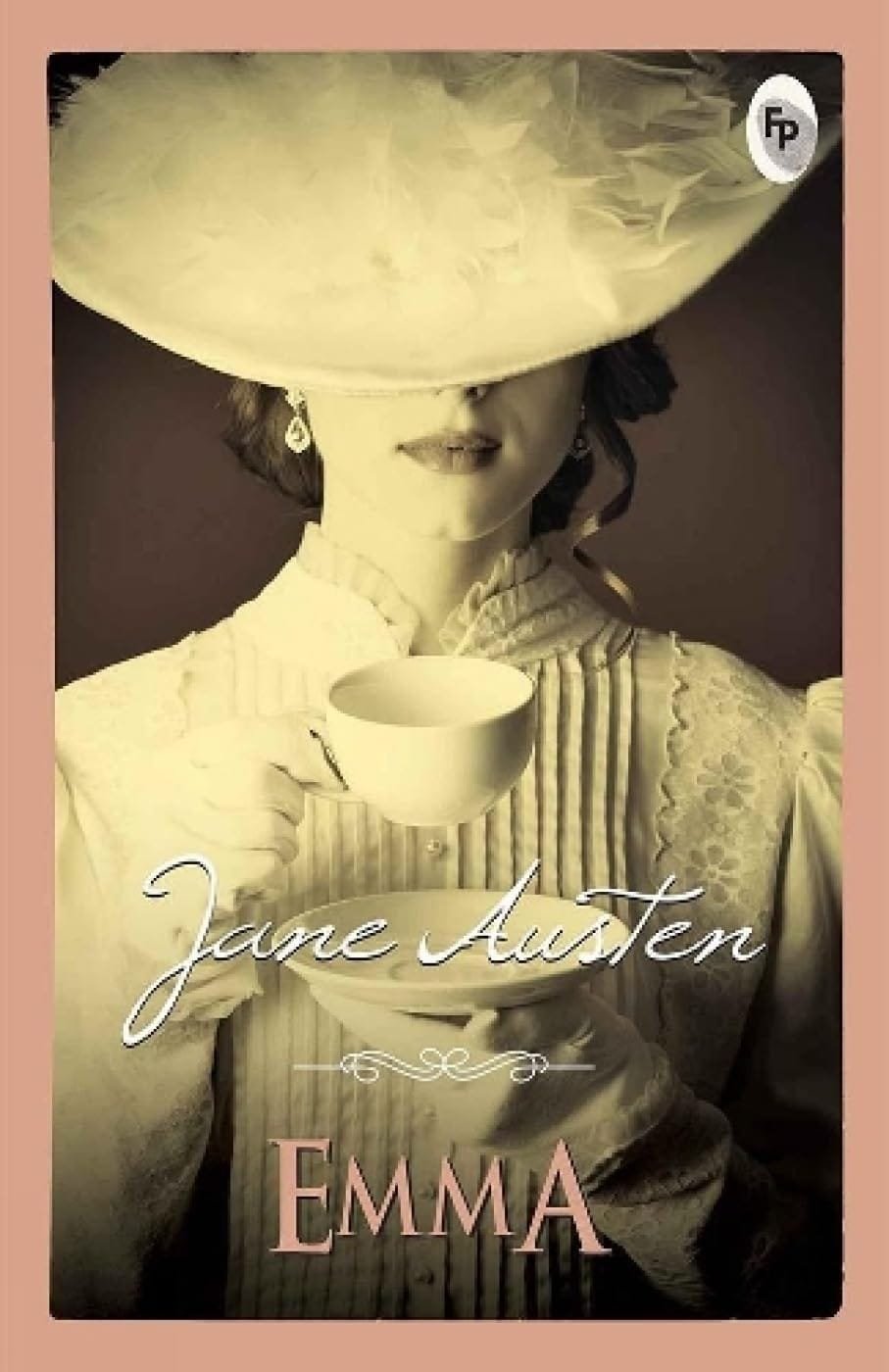
Emma
"Emma," written by Jane Austen and published in 1815, stands as a classic novel that brilliantly explores the intricacies of human nature, relationships, and societal norms. The novel's eponymous protagonist, Emma Woodhouse, is a young and charming woman with a penchant for matchmaking in the village of Highbury. Austen's narrative unfolds with wit and irony, offering a satirical examination of the social hierarchy and the consequences of misguided interference in the affairs of others. Emma's journey towards self-awareness and personal growth forms the heart of the story, and the novel is celebrated for its keen observations of character, sharp dialogue, and the astute portrayal of the manners and customs of early 19th-century England.

The Three Musketeers
"The Three Musketeers" by Alexandre Dumas, published in 1844, stands as one of the most beloved and enduring adventure novels in literary history. Set in 17th-century France, the story follows the young and ambitious d'Artagnan as he journeys to Paris to join the elite Musketeers of the Guard. There, he befriends the charismatic Athos, Porthos, and Aramis, forming an inseparable quartet. The novel is a thrilling blend of historical fiction, romance, and swashbuckling adventure, as the Musketeers become embroiled in political intrigue, duels, and clandestine plots. Dumas' narrative is marked by its fast-paced action, memorable characters, and intricate plotting, creating a timeless tale of loyalty, friendship, and chivalry.

Leaves Of Grass: Simplicity In Poetry

Mansfield Park
"Mansfield Park" by Jane Austen, published in 1814, is a novel that explores the complex social dynamics and moral dilemmas of early 19th-century England. The story centers around Fanny Price, a young girl from a poor family who is sent to live with her wealthier relatives at Mansfield Park. Fanny grapples with her position as a dependent and observes the relationships and intrigues of the Bertram family. Austen skillfully examines issues of morality, social class, and the limitations imposed on women during this period. Through Fanny's journey, the novel delves into themes of love, duty, and the pursuit of personal integrity in a society governed by societal expectations.